
October 2026 Cashmere Sourcing Window: Baby Cashmere Combing, Trade Show Season, and Spring 2027 Deadlines
October is the most operationally dense month in the cashmere sourcing calendar. Three concurrent developments are shaping procurement decisions right now: the autumn kid-goat combing window has opened across Inner Mongolia and the Mongolian plateau, the 2026-2027 trade show season begins at the end of this month in Guangzhou, and order books for spring 2027 garment delivery are approaching their yarn-lock deadlines. Brands and wholesale buyers planning cashmere programs for the coming year should treat the next four to six weeks as a decision window, not an observation period.
Autumn Kid-Goat Combing Opens the Baby Cashmere Window
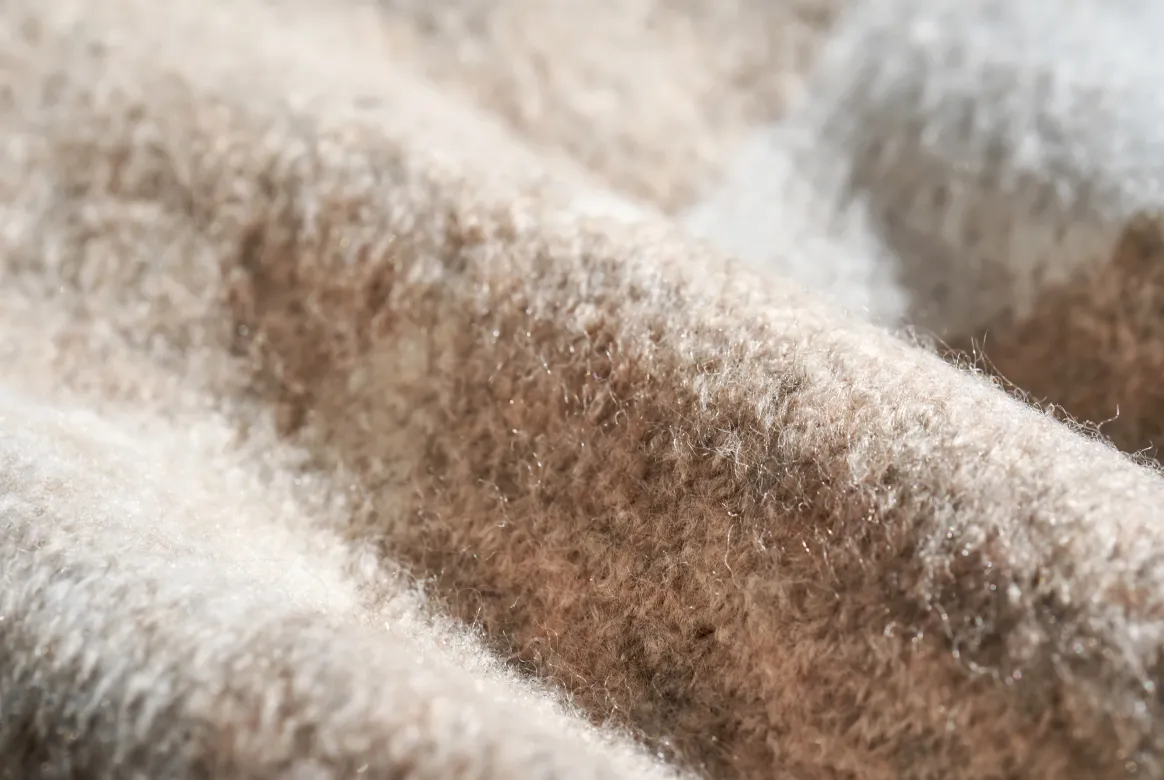
Baby cashmere is collected from Hircus goat kids during their first combing, a once-in-a-lifetime harvest that yields fiber measuring below 14 microns with exceptional fineness and uniformity. The autumn combing window typically runs four to six weeks across September and October, and total volumes are structurally small. Programs using this fiber are planned twelve to eighteen months in advance, and allocation is settled during the window itself.
For brands evaluating a premium capsule or a first custom cashmere development built around ultra-fine fiber, October is when availability, pricing, and allocation for the 2027 season become concrete. Buyers who wait until winter trade shows to begin these conversations are effectively shopping from what remains after early commitments.
Trade Show Season Starts October 31 in Guangzhou
The late-2026 and early-2027 exhibition circuit defines when yarn and knitwear programs for the next retail year get negotiated:
- Canton Fair Phase 3 (Textiles and Garments): October 31 to November 4, 2026, Guangzhou. The primary venue for verifying knitwear manufacturing capacity and meeting Chinese exporters face to face.
- Premiere Vision New York: January 19-20, 2027.
- Pitti Immagine Filati: January 20-22, 2027, Florence. The reference event for cashmere yarn counts, blends, and spinners' new collections.
- Premiere Vision Paris: January 26-28, 2027.
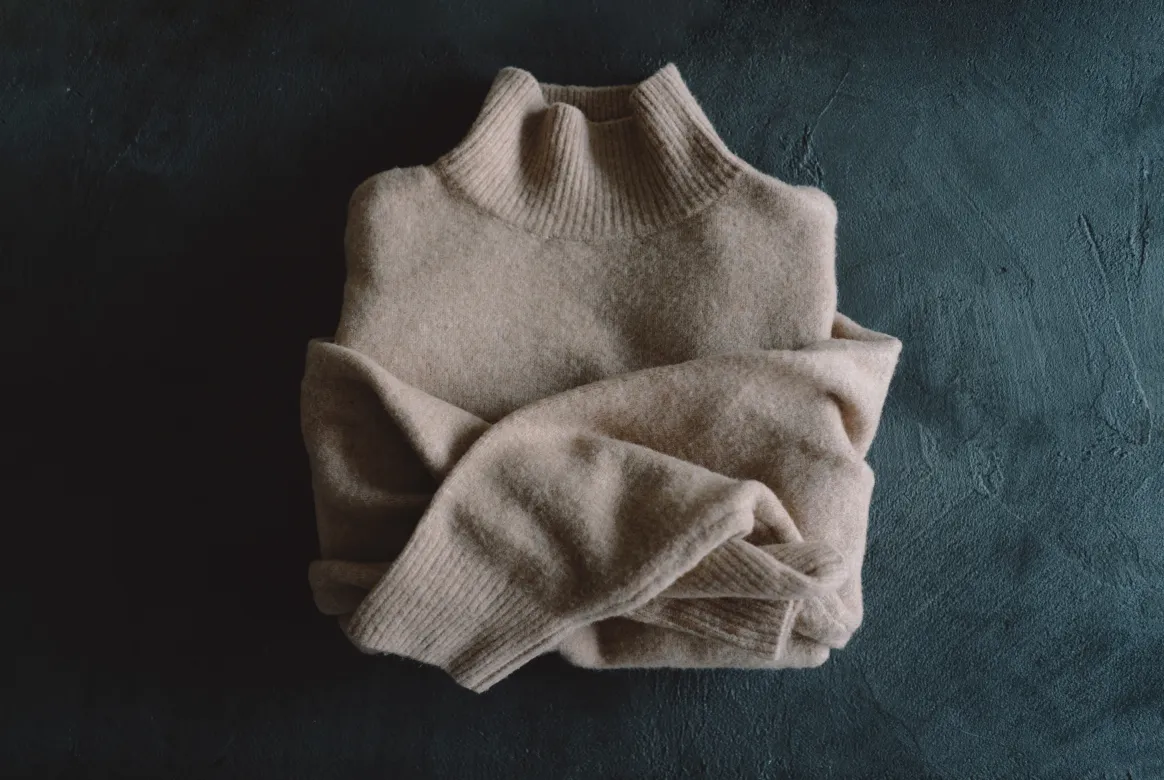
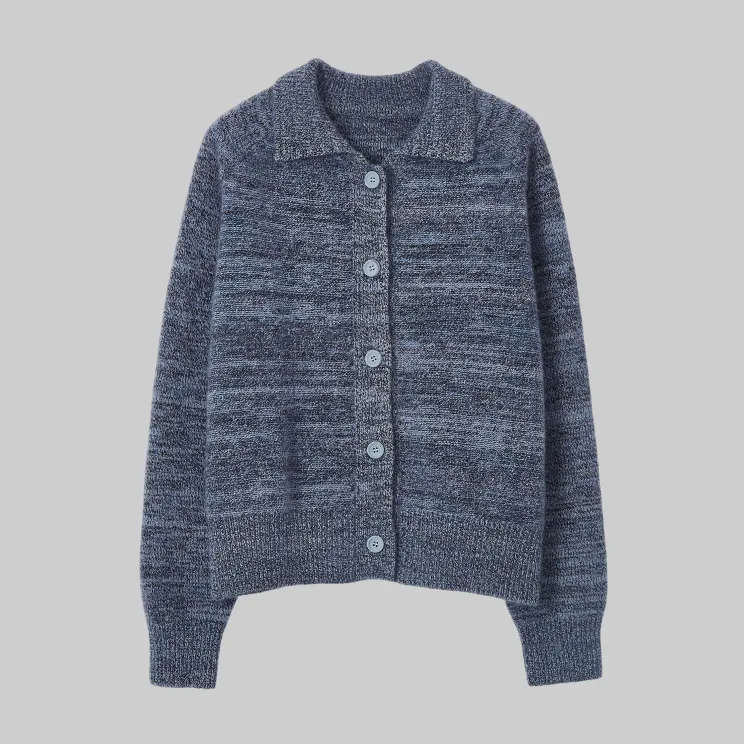
Buyers attending any of these events benefit from requesting yarn cards, stitch panels, and finished garment references in advance. A factory that can prepare development samples against your tech pack before the fair compresses the sourcing cycle by four to eight weeks compared with starting specifications at the booth.
Spring 2027 Delivery Deadlines Are Now in Force
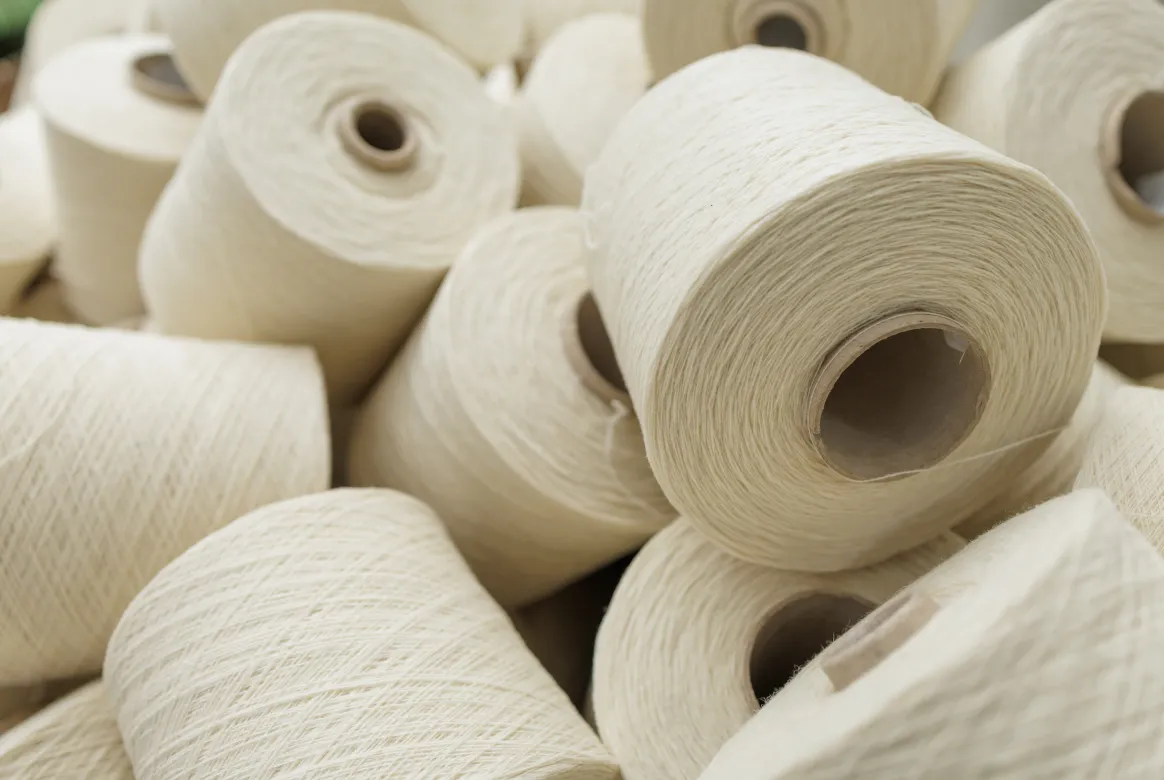
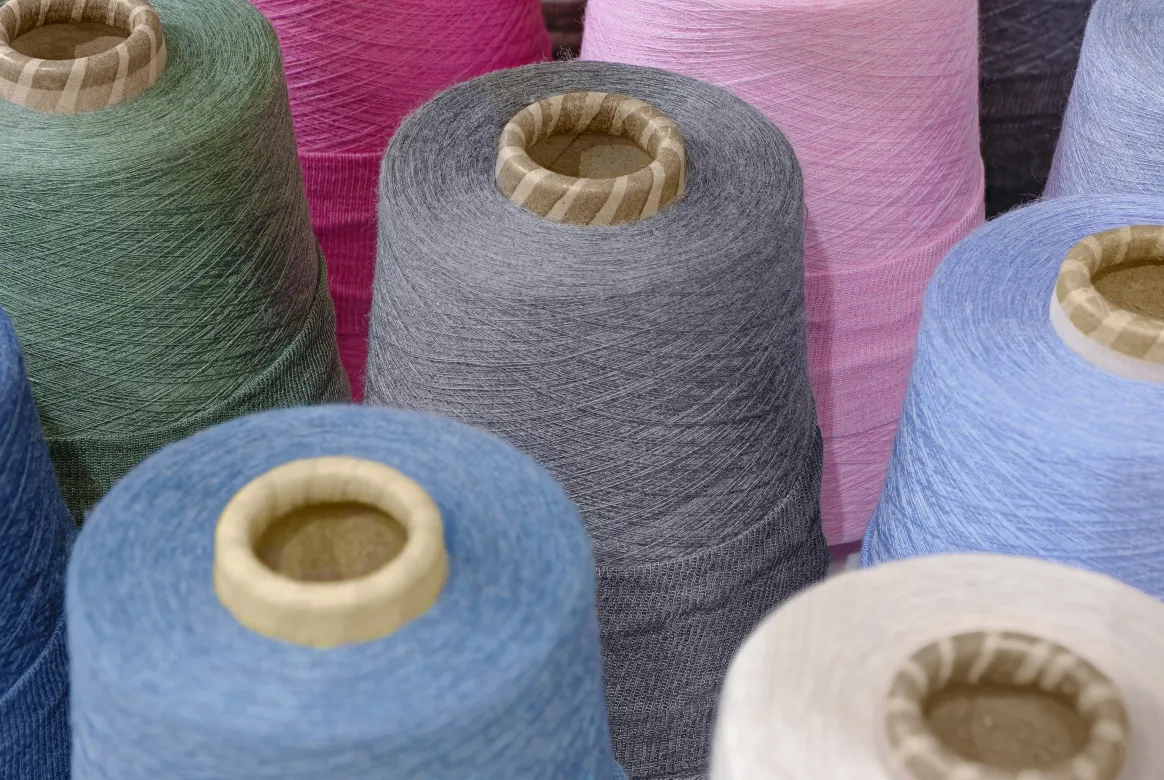
Cashmere production runs on a biological calendar. Fiber is combed once a year in spring, dehaired and spun through summer, and knitted in autumn. For brands targeting March to May 2027 retail delivery, yarn needs to be locked by the end of October 2026. Commitments made in November typically push the garment delivery window to June or July 2027, which misses the spring selling season for most Northern Hemisphere programs.
This timing pressure sits on top of a firm raw material market. Trade reporting through mid-2026 placed dehaired white cashmere in the 720,000 to 740,000 CNY per tonne range, with ex-works pure cashmere yarn up 12 to 15 percent year on year. Early yarn commitment remains the most effective hedge against further escalation entering the winter production peak.
Mongolia's Value-Chain Upgrade Adds a New Supply Variable
In September 2026, the Asian Development Bank signed a $15 million financing package with Gobi JSC, Mongolia's leading cashmere manufacturer, to fund sustainable raw fiber procurement from herder cooperatives and expand domestic processing of high-value products. The deal follows the Mongolian government's earlier commitment of $57.5 million to expand national processing capacity, and a 2025 export performance that saw combed cashmere shipments rise 28.7 percent in value to $330.6 million.
The structural direction is clear: Mongolia is converting more raw fiber into finished and semi-finished goods domestically, which gradually tightens the volume of premium raw material available on the open market. For buyers, this reinforces the value of working with manufacturers holding direct, long-term positions at the fiber source. Our own supply chain, anchored in Inner Mongolian raw fiber collection and in-house dehairing at Tongxiang, insulates partner programs from open-market scarcity in exactly this way, whether for wholesale cashmere volume or development-stage collections.
Action Items for October
- Confirm yarn requirements for spring 2027 delivery before the end of the month.
- Open baby cashmere allocation discussions now if an ultra-fine program is on the 2027 roadmap.
- Brief your manufacturer with tech packs ahead of Canton Fair or the January yarn fairs to arrive with samples in hand.
- Review fiber origin documentation against your traceability commitments, as buyer-side due diligence continues to tighten.
Sources
- Asian Development Bank: Private Sector Deal to Strengthen Mongolia's Cashmere Value Chain
- Canton Fair: Official Exhibition Schedule and Phases
- Pitti Immagine Filati: International Yarn Exhibition
- Premiere Vision: Global Textile and Sourcing Events
-

Dingchuang Textile Technical Team
Cashmere Sourcing & Knitwear Specialists, Dingchuang Cashmere
Authored by the technical specialists at Zhejiang Dingchuang Cashmere Co., Ltd. Founded in 2013 in Tongxiang, our team oversees integrated supply chain operations from raw goat cashmere collection and in-house mechanical dehairing to precision computerized knitting and specialty wet finishing, providing actionable manufacturing guidance for global apparel brands and designers.