
Search
Enter keywords to search for products, blog posts, and more.
Enter keywords to search for products, blog posts, and more.


Classic Cashmere Polo Sweaters

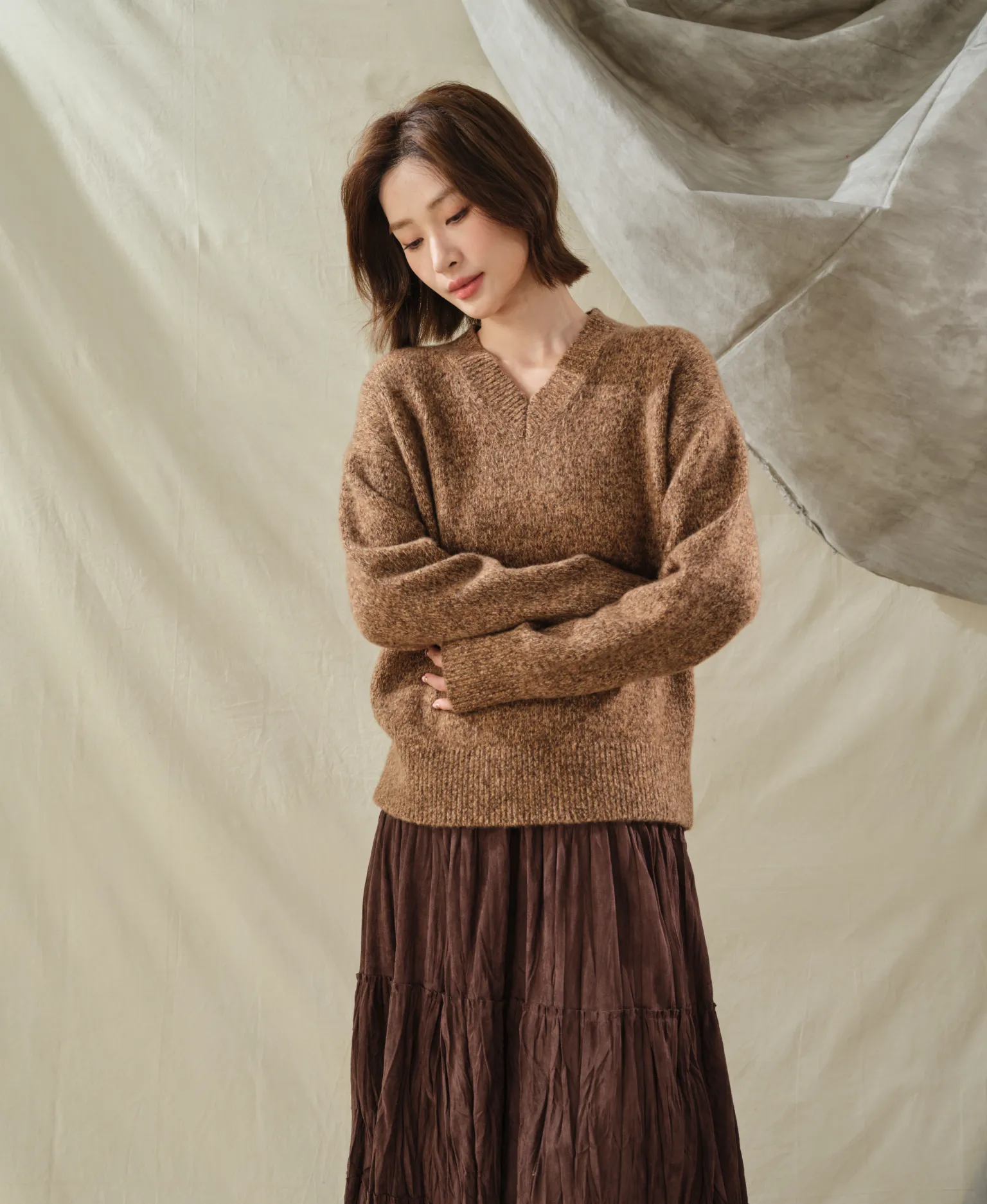
Relaxed Cashmere Johnny Collar Sweaters

Fine-Gauge Cashmere Polo Sweaters

Boxy Fit Cashmere Polo Sweaters
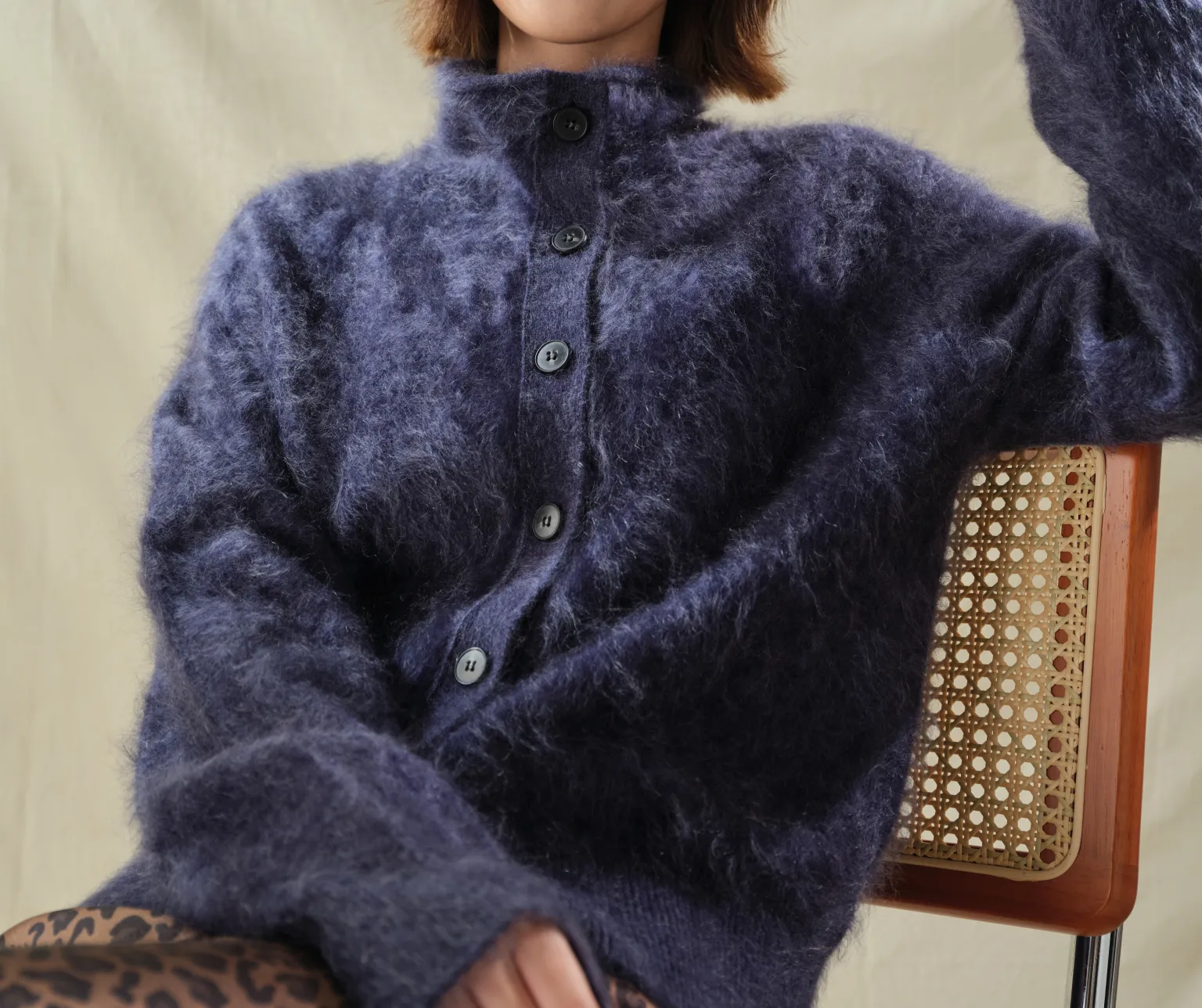
A knitted polo collar must behave like a woven one: stand cleanly, button flat, and resist curling at the points. We knit collars at higher tension with a tighter yarn twist and reinforce the placket edge to prevent rippling. Production runs through our audited partner network, with measurements verified after washing on every batch.
We preserve the collar's shape by utilizing specialized knitting programs that adjust the tension specifically for the collar points. Additionally, we avoid over-milling the garment during the wet-finishing stage, ensuring the fibers bloom for softness without compromising the knitted structure's rigidity.
Yes, our technical development team can translate your designs into customized knitting programs for any neckline variation. We manufacture classic exposed plackets, concealed button plackets, modern Johnny collars (V-neck without buttons), and half-zip polo constructions across various gauges.
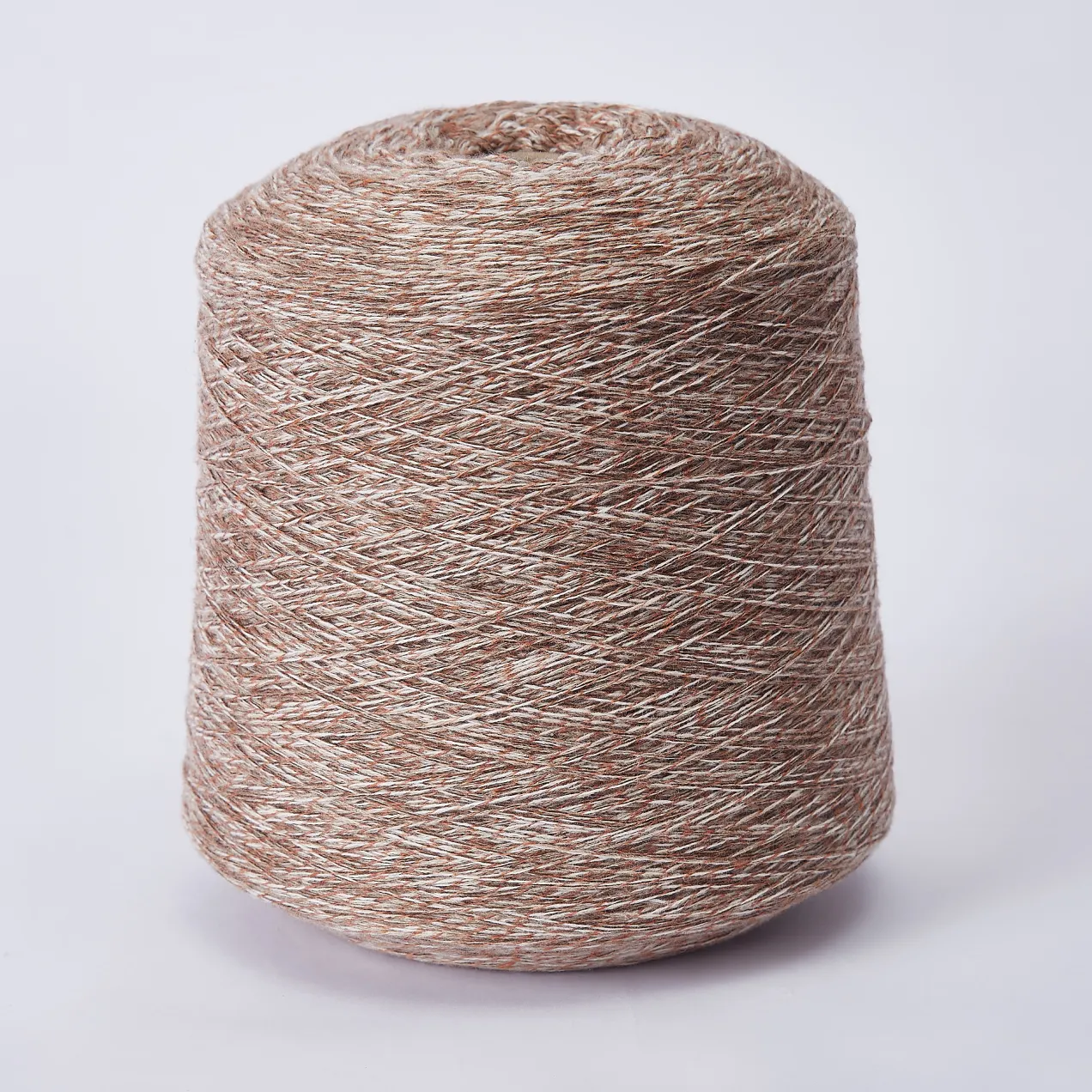
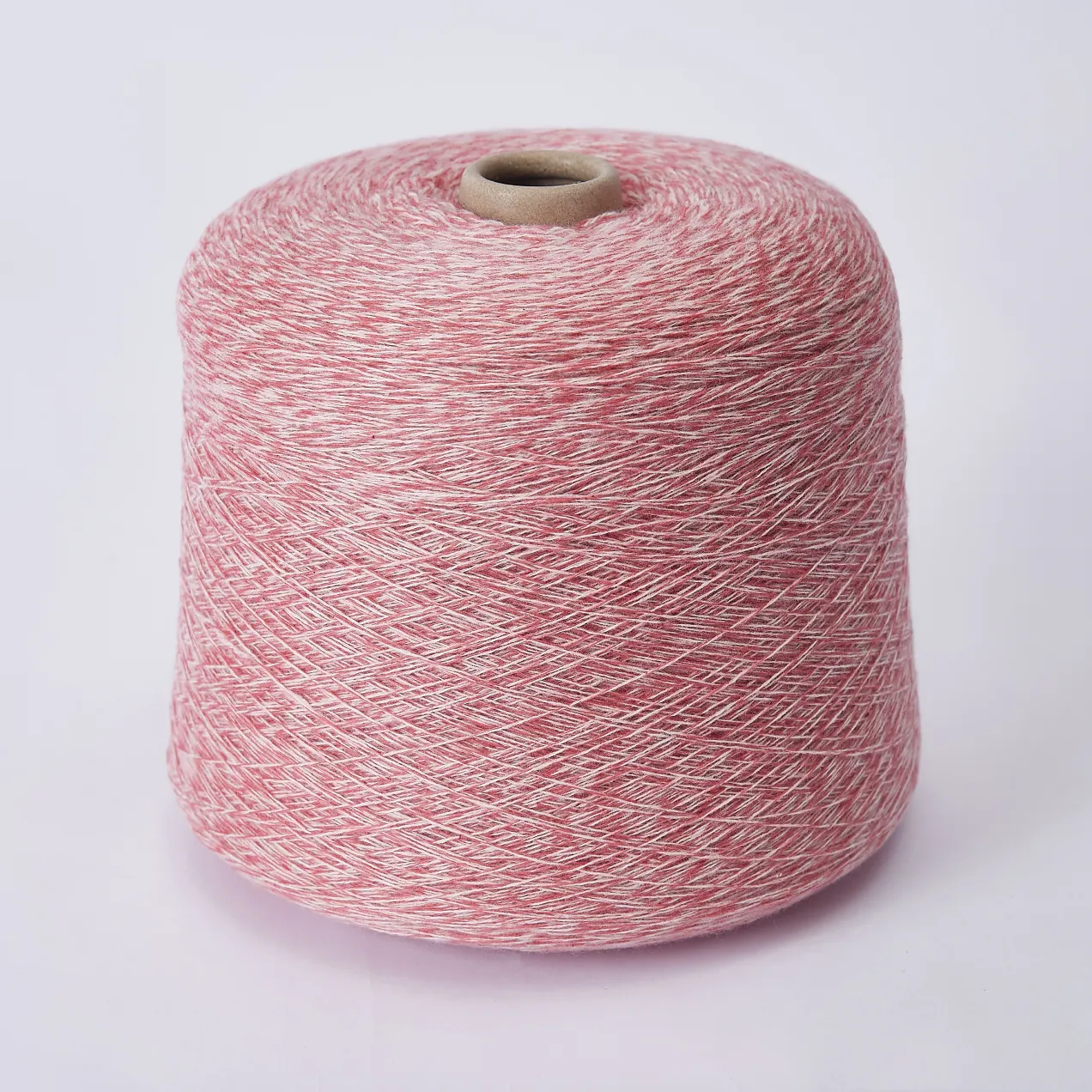
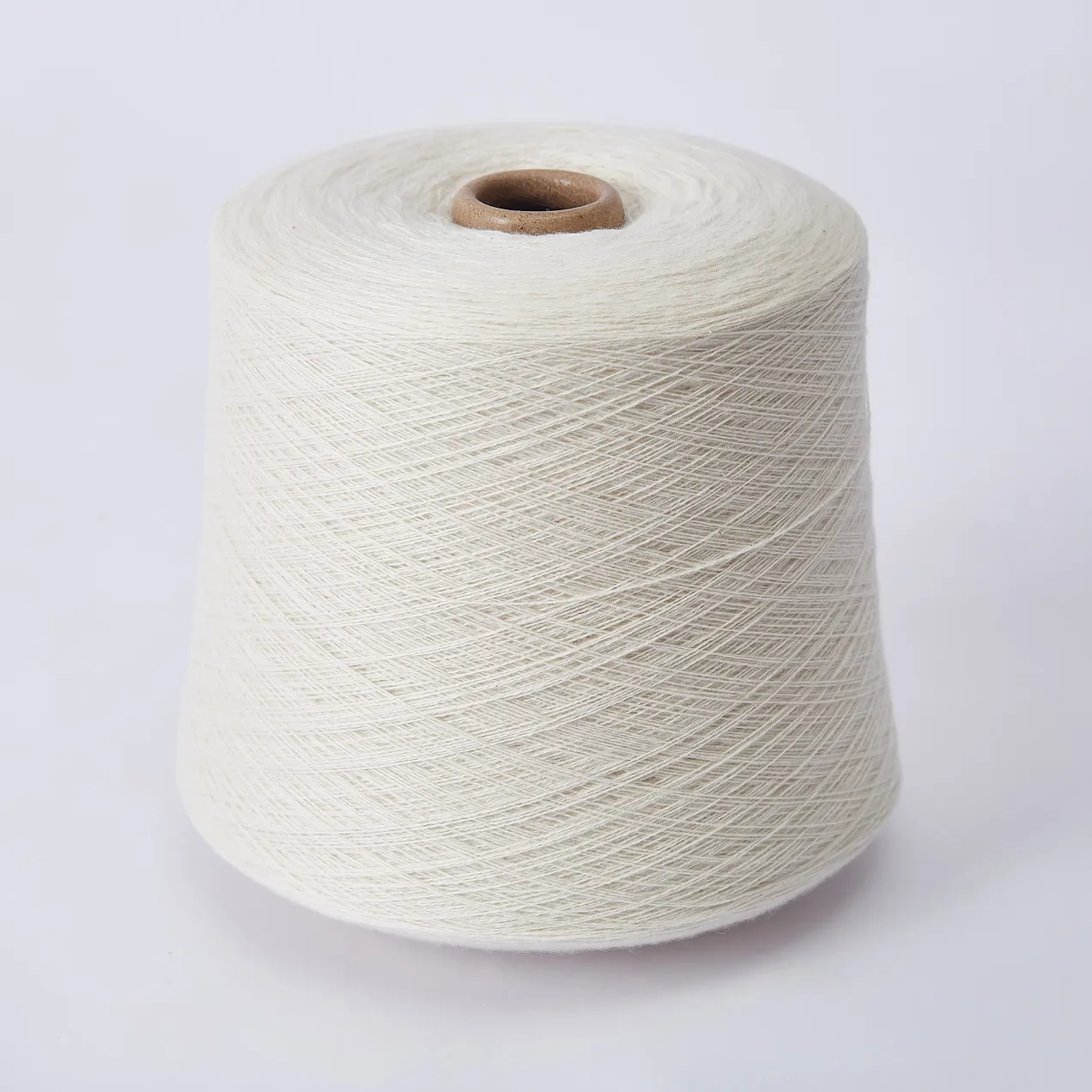
Prototype sampling usually takes 7 to 14 days when utilizing our extensive inventory of over 100 stock yarn colors. Following sample approval, bulk production typically requires 30 to 45 days, depending on the complexity of the placket construction and overall order volume.
To protect the delicate cashmere fiber from the mechanical stress of buttoning, we utilize a reinforcement technique during assembly. Every primary button is anchored by a smaller, flat 'backing button' on the inside of the placket. This distributes the pulling tension across a wider surface area, preventing tears and ensuring garment longevity.
The knitted polo is a hybrid garment. Its body follows knitwear logic, but its collar and placket are judged by shirting standards: the collar must stand cleanly, the placket must lie flat, and the points must not curl. Meeting these expectations in cashmere requires construction decisions that differ from standard pullover production.
Collar structure. A polo collar is knitted separately and attached to the body, typically in a compact jersey or fine rib at higher tension than the body fabric. The attachment seam sits at the base of the neck and must be linked, not overlocked, to stay flat under a jacket. Collar stand height is specified in millimeters, because a two-millimeter difference decides whether the collar sits correctly against the neck.
Placket engineering. The button placket is the garment's most visible failure point. Knitted at body tension it ripples; knitted too tight it puckers the chest line. Plackets are knitted at increased stitch density, stabilized at the edges, and reinforced at the buttonhole end where stress concentrates. Buttonholes themselves are knitted-in or cut-and-bound, and the method should be stated in the specification.
Yarn and next-to-skin performance. Polos are worn directly against the skin, often as a single layer, which puts micron count at the center of yarn selection. Counts at 15.5 microns and below are standard for the category; silk-cashmere blends add surface luster that suits the polo's refined positioning. Options are listed in our silk-cashmere range and the yarn collection.
Market context. The cashmere polo performs strongest in menswear programs, where it sits between casual knitwear and tailored shirting, and it re-orders reliably once the fit block is approved. Buyers developing coordinated men's capsules can review the adjacent styles in our men's knitwear range.
Program development. Collar, placket, and button specifications are locked at sampling and audited on bulk through our custom development service, with measurement records kept per batch for repeat orders.
Finishing and audit. Because the polo collar sits upright and exposed, finishing parameters are tuned conservatively: shorter milling preserves collar structure, and collar dimensions are re-measured after washing on every batch. These records accompany each shipment so that re-orders start from documented values rather than from memory.
Specification note. Buyers new to the category should request a collar-and-placket sample before committing to a full proto. Approving the collar construction in isolation saves a complete sampling round when the body block itself is already proven.