
Search
Enter keywords to search for products, blog posts, and more.
Enter keywords to search for products, blog posts, and more.


Luxury Knitted Cashmere Shawls

Cowl Neck Cashmere Wraps

Oversized Pure Cashmere Blanket Shawls

Classic Asymmetric Cashmere Shawls

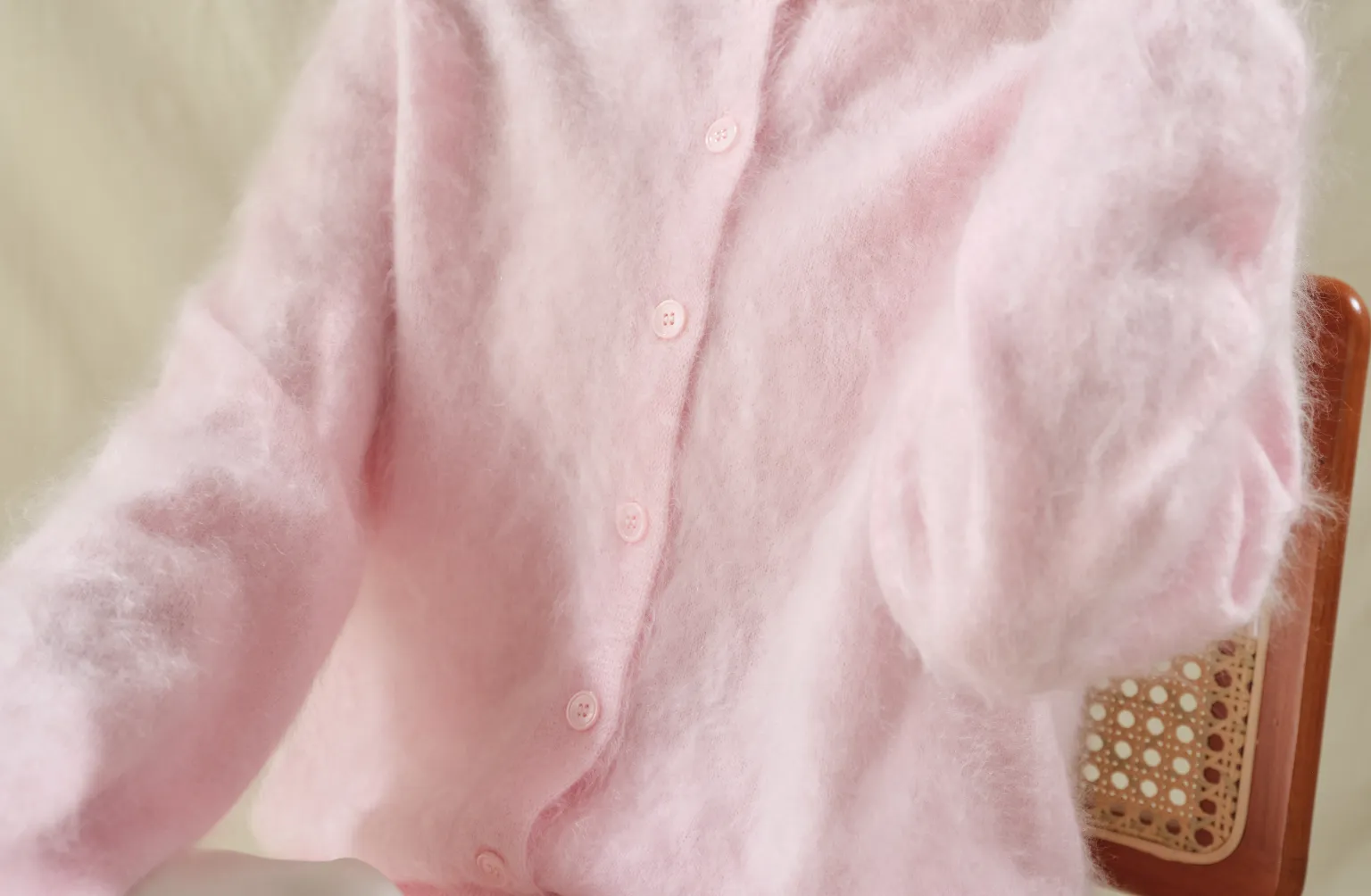
Premium Brushed Cashmere Shawls

Knitted Ribbed Cashmere Winter Wraps

Button-Detail Cashmere Shawls

Macramé Fringe Heavy Cashmere Wraps
A shawl's width turns small process errors into visible defects: tension variation becomes a wavy edge, and uneven raising becomes a patchy surface. Loom tension maps, finishing parameters, and edge construction are recorded at the sample stage and verified on bulk. Fiber preparation is managed at our own facility, with weaving and finishing executed by audited partner mills.
Woven shawls are produced on wide looms by interlacing horizontal and vertical yarns, resulting in a flat, crisp fabric with elegant drape, ideal for formal evening wraps and Zibeline finishes. Knitted wraps are produced on flat knitting machines using interlocking loops, resulting in a thicker, highly elastic, and deeply textured fabric (like cables), which is exceptionally warm but much heavier.
The water ripple (Zibeline) finish is an elite mechanical process. After weaving, the massive wet fabric is brushed using specialized wide rollers covered in natural teasel burrs (spiky plant heads). Controlling the exact, even pressure across a 100cm+ width gently pulls and aligns the cashmere fibers in a single direction, creating a permanent, highly luxurious wave-like luster.
Hand-rolled hems and hand-twisted fringes cannot be automated by machinery; they require intensive manual labor by highly skilled artisans. Rolling and invisibly stitching the edge of a 120cmx120cm square shawl, or manually separating, twisting, and knotting the thousands of warp yarns on a 200cm wrap, takes hours per unit. This artisanal craftsmanship is the defining mark of true heritage luxury.
Yes, we guarantee authenticity through strict supply chain transparency. The market is flooded with oversized synthetic "cashmere feel" fakes. We invite our B2B clients to submit our products to independent third-party laboratories (like SGS or Intertek) for microscopic fiber analysis, which scientifically proves the shawl contains 100% Capra Hircus down with zero adulteration.
Shawls and oversized wraps are the most material-intensive category in cashmere accessories. A 70×200 cm woven shawl consumes roughly three times the yarn of a standard scarf, and a knitted oversized wrap can exceed 300 grams of finished weight. This arithmetic drives the commercial structure of the category: shawl programs reward buyers who plan colorways tightly and penalize those who spread volume across too many shades. A focused palette of four to six colors per season lets dye lots run at efficient size and keeps per-unit yarn cost inside the range the retail price point can absorb.
Size selection is a positioning decision. The 70×180 cm format reads as an evening wrap and sells at the accessible end of the luxury band; 100×200 cm and larger formats function as travel blankets and support the highest price points in the category. Weight per square meter is the silent specification that separates these tiers — buyers should state a target gram weight and hold the supplier to ±5%, because an underweight shawl feels insubstantial in the hand regardless of how soft the fiber is. Hemming is the other visible quality marker: hand-rolled hems cost more labor per piece and signal couture positioning, while machine fringe suits volume programs. Brands extending into narrower formats can coordinate shades with a cashmere scarf line cut from the same dye lots.
Yarn count selection follows the intended hand. Finer counts produce a light, fluid wrap suitable for indoor and evening use; coarser counts build the substance that travel and outdoor formats need. Because wide-width looms run more slowly per meter than narrow scarf looms, weaving capacity is the production bottleneck in this category, and lead times lengthen accordingly during the autumn peak. Buyers who confirm orders before the autumn peak secure loom allocation and protect their delivery windows.
Production checkpoints for this category concentrate on surface evenness. A wide fabric shows every tension irregularity, so inspection under angled light across the full width catches streaks that pass unnoticed on narrow goods. Folding and packing matter more than buyers expect: a shawl packed under compression creases along its fold lines, and the creases survive steaming if the fabric has been stored warm. Roll packing for transit, with folding reserved for retail presentation, preserves the surface the finishing process created. Dingchuang runs sampling through its custom program for private-label buyers and holds selected constructions in wholesale stock for faster replenishment.