
Search
Enter keywords to search for products, blog posts, and more.
Enter keywords to search for products, blog posts, and more.


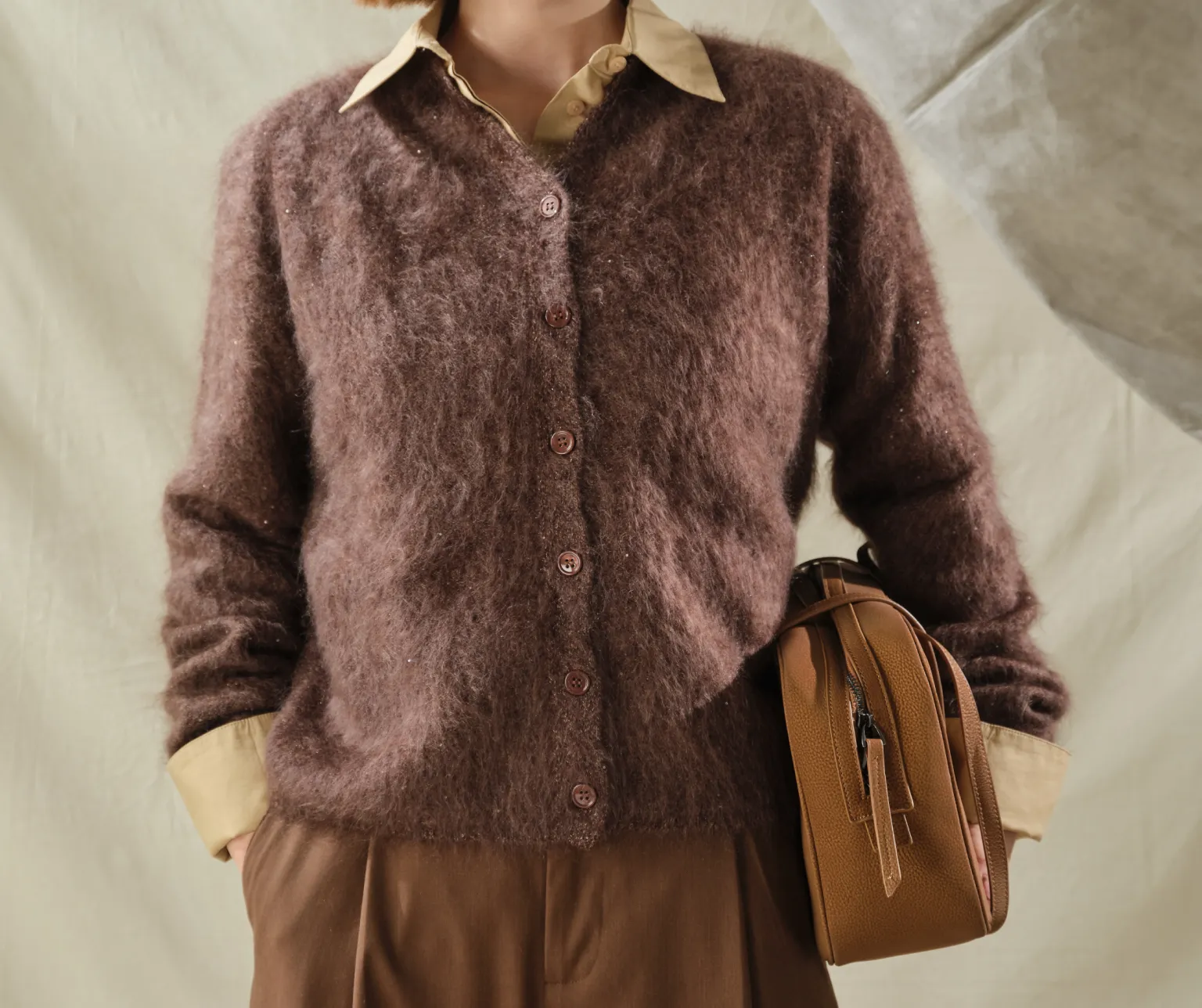
Fine-Gauge Cropped Cashmere Cardigans

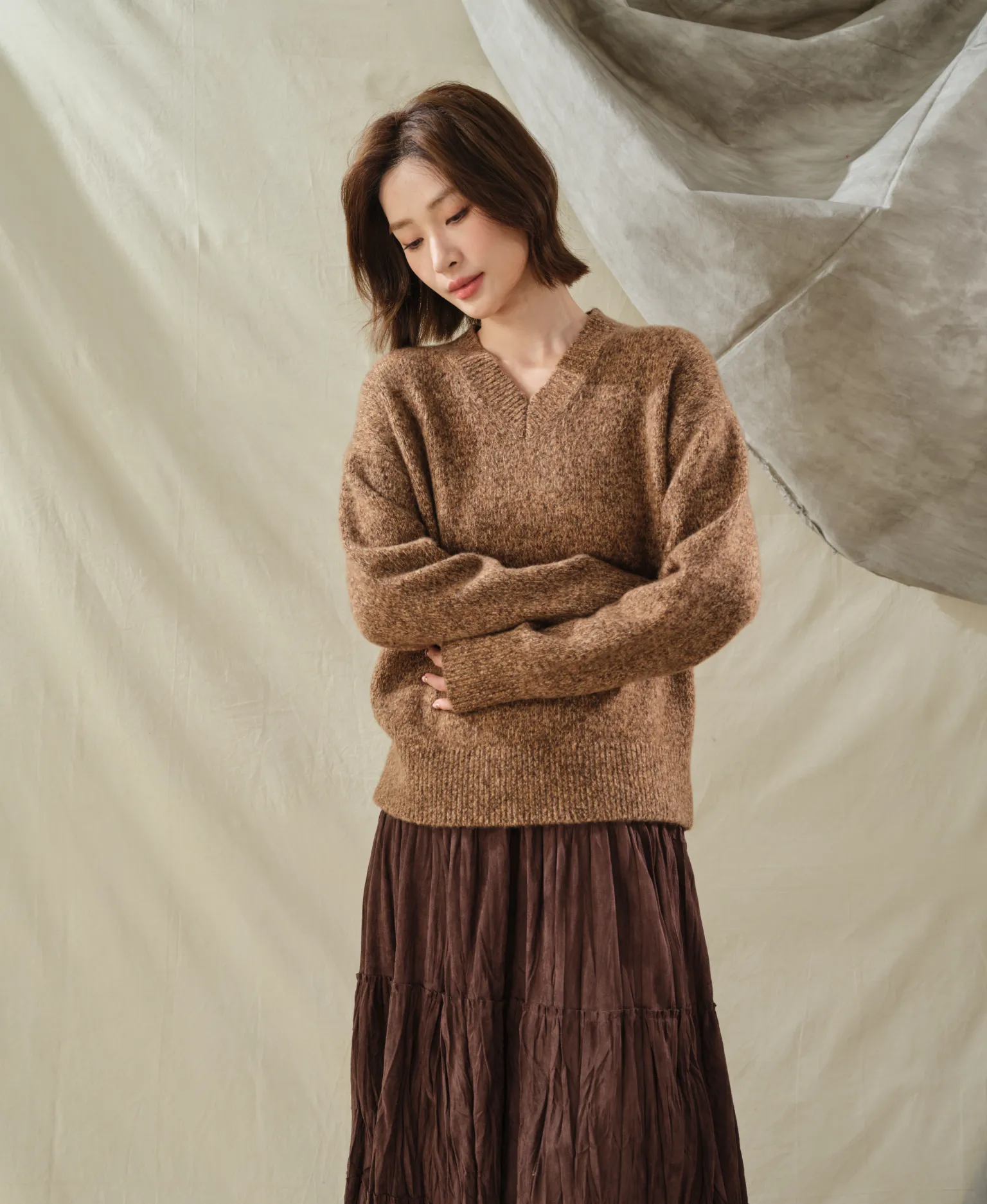
Relaxed V-Neck Cropped Cashmere Cardigans

Chunky Cropped Cashmere Cardigans

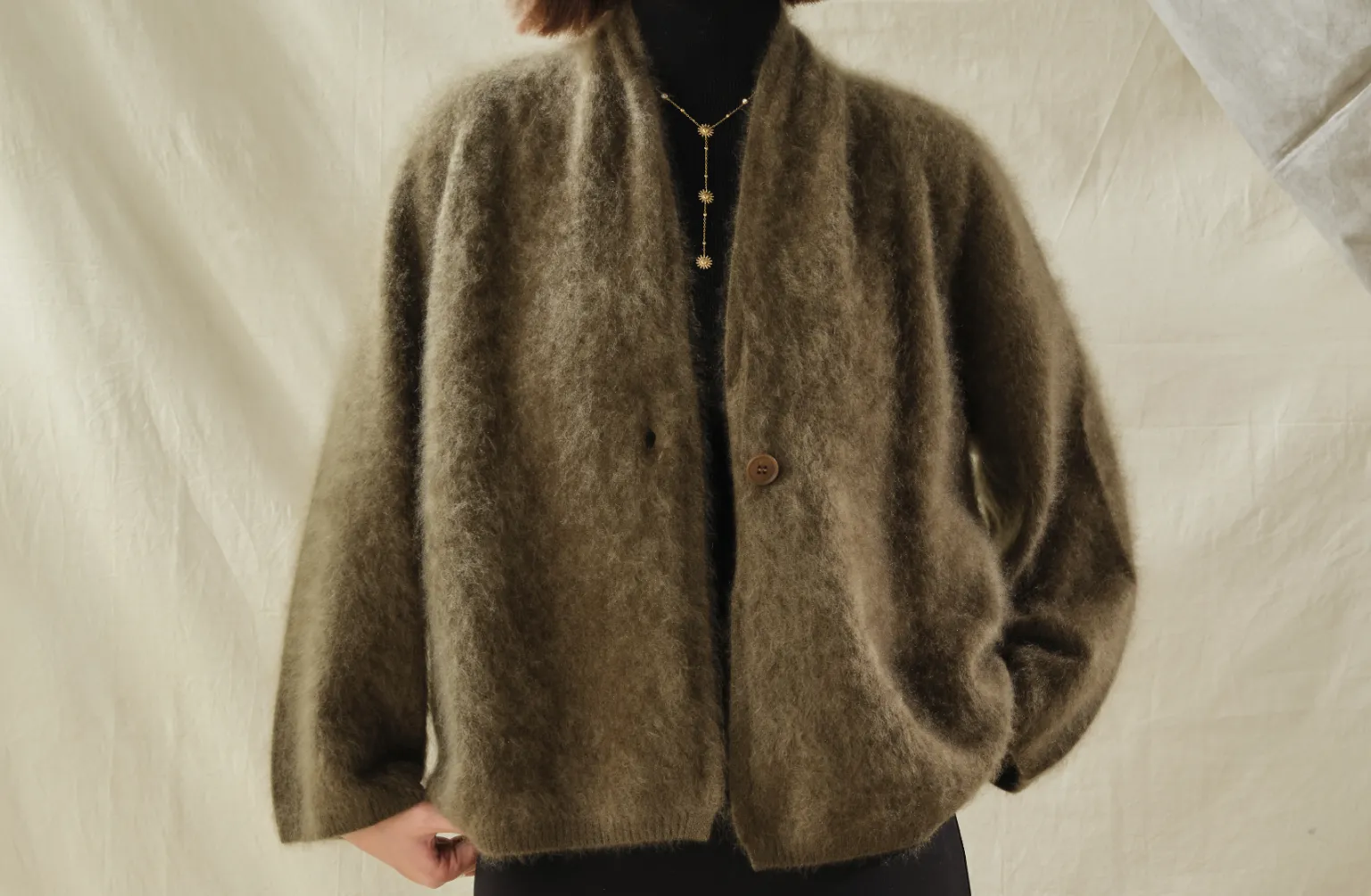
Boxy Fit Cropped Cashmere Cardigans

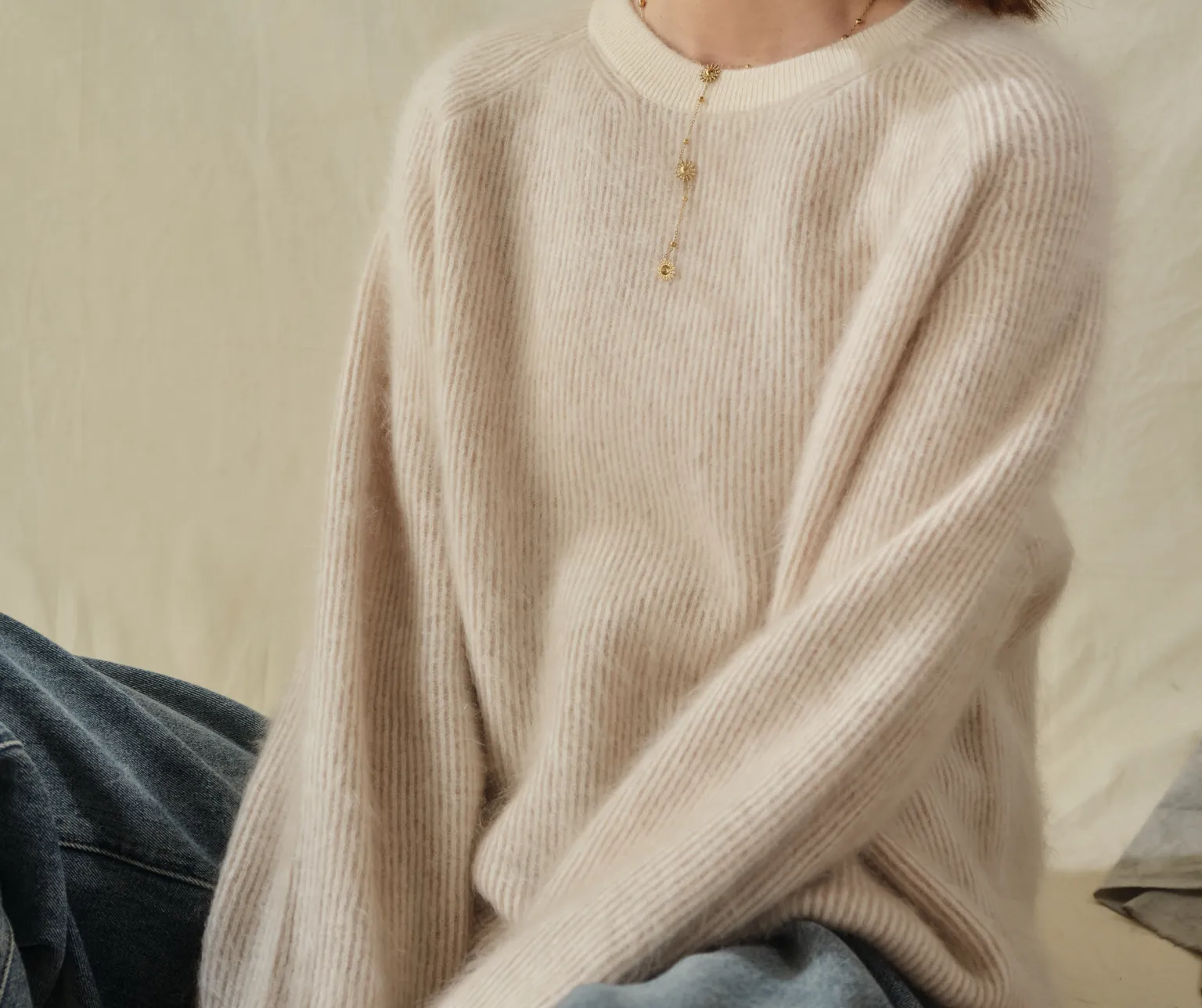
Ribbed Cropped Cashmere Cardigans

Cropped Cable Knit Cashmere Cardigans

Classic Cashmere Cropped Cardigans

Cropped Cashmere Bolero Cardigans
On a cropped body, the button band carries the design. We knit bands at controlled tension to prevent rippling, space buttonholes to the graded pattern, and check hem rib recovery after washing. Fiber preparation is managed at our own facility, with partner mills handling knitting and finishing under our quality protocol.
We prevent placket distortion by programming exact machine tension parameters that match the shrinkage rate of the main body. Additionally, we utilize tubular knitting structures for the button band and reinforce the primary buttons with interior backing buttons, which distributes tension and prevents the fabric from stretching unevenly.
Yes, our technical programming team can execute any cropped silhouette specified in your tech pack. We manufacture everything from skin-tight fine-gauge cropped cardigans for evening wear to wide-cut, boxy chunky cardigans across various gauges ranging from fine 16gg to chunky 3gg.
Prototype sampling usually takes 7 to 14 days when utilizing our extensive inventory of stock yarn colors. Following sample approval, bulk production typically requires 30 to 45 days, depending on the complexity of the grading required for the shortened proportions and the overall order volume.
When grading cropped cardigans from XS to XXL, the body length does not scale linearly with the width. Our technical team recalculates the spacing between the buttonholes for each individual size, ensuring the closure remains proportional and functionally secure without throwing off the visual balance of the garment.
A cropped cardigan concentrates every cardigan-specific construction problem into a smaller canvas. The button band occupies proportionally more of the garment, the hem sits at the waist where recovery is critical, and the style is frequently bought as part of a coordinated set — which adds shade-matching to the list of production risks.
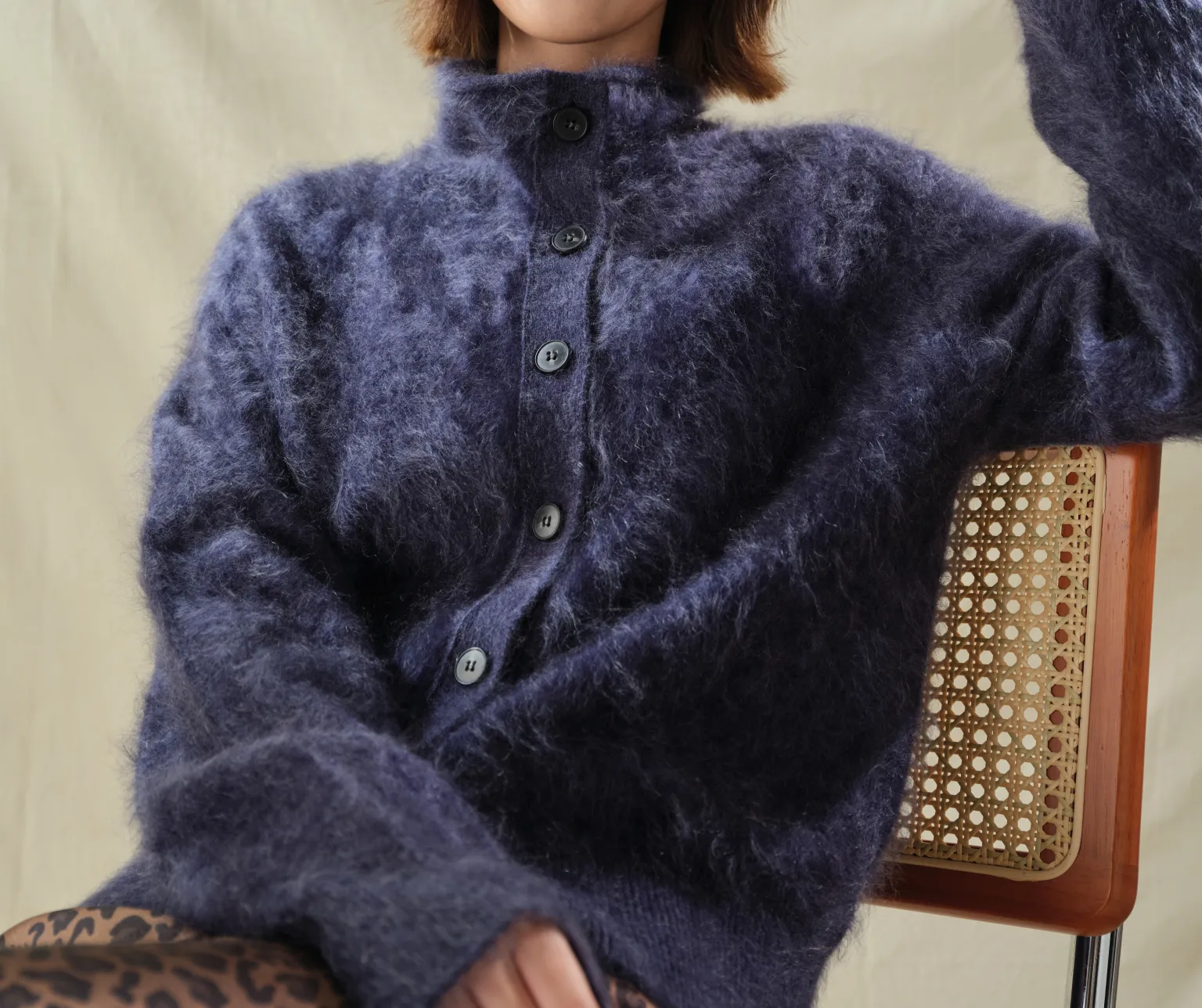
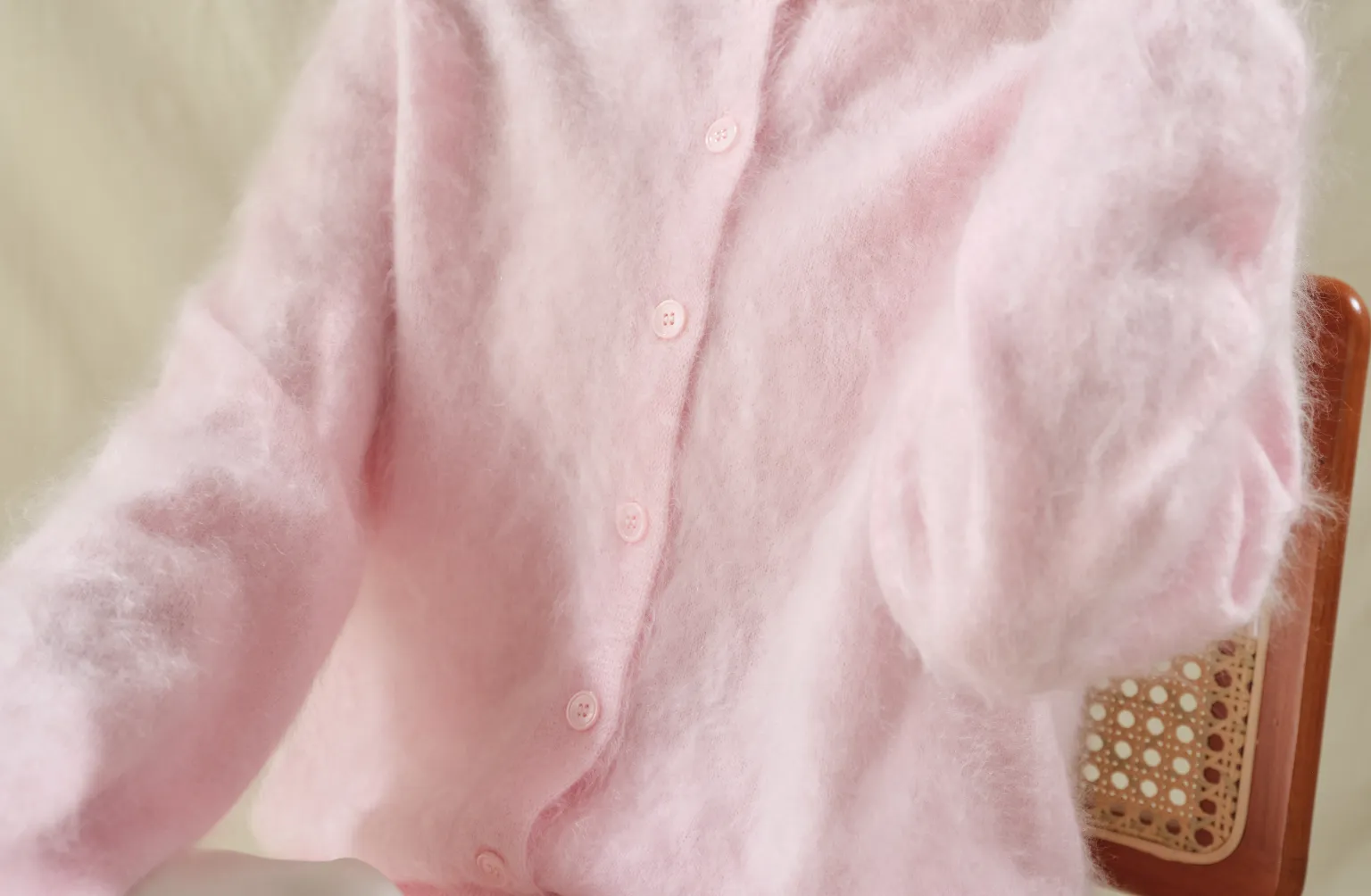
Button band as the design carrier. On a cropped body, the band is the visual center of the garment. Bands are knitted at higher density than the body to prevent rippling, attached by single-stitch linking, and checked for recovery after milling. Buttonhole spacing must come from the graded pattern: on a short body, even spacing errors are immediately visible.
Proportion and grading. Cropped cardigan blocks balance three measurements — body length, sleeve length, and hem position — and shortening one without adjusting the others produces a garment that reads accidental rather than designed. Length tolerances are tighter than on classic cardigans and should be written into the spec accordingly. Buyers developing coordinated programs often pair this category with our cropped sweater range, knitted from the same yarn lot for exact shade matching.
Hardware selection. Buttons carry unusual weight in this category because they sit close to the wearer's face line. Material, diameter, and attachment method should be specified at development, with spare ratios stated per carton. Novelty buttons are common in boutique programs; corozo and shell suit premium positioning.
Fit verification. Cropped cardigans are audited after washing for body length, band recovery, and button alignment, since the short body exaggerates any relaxation that occurs in milling.
Commercial context. The category performs well in boutique and contemporary programs, particularly in coordinated sets and vintage-influenced capsules, and re-orders reliably once the block is approved. Volume programs with locked specifications can be scheduled through our wholesale service, with construction records held for repeat seasons.
Development sequence. Cropped cardigan programs sample fastest when the button band and button selection are approved together with the first proto, since both influence the final band specification. Programs that sequence these decisions late typically add one full sampling round.
Set-matching discipline. When a cardigan and sweater are sold as a set, both pieces must come from the same dye lot and milling batch. We schedule coordinated pieces as a single production unit for this reason, and buyers should specify set-matching explicitly when the merchandising plan calls for it.