
Search
Enter keywords to search for products, blog posts, and more.
Enter keywords to search for products, blog posts, and more.


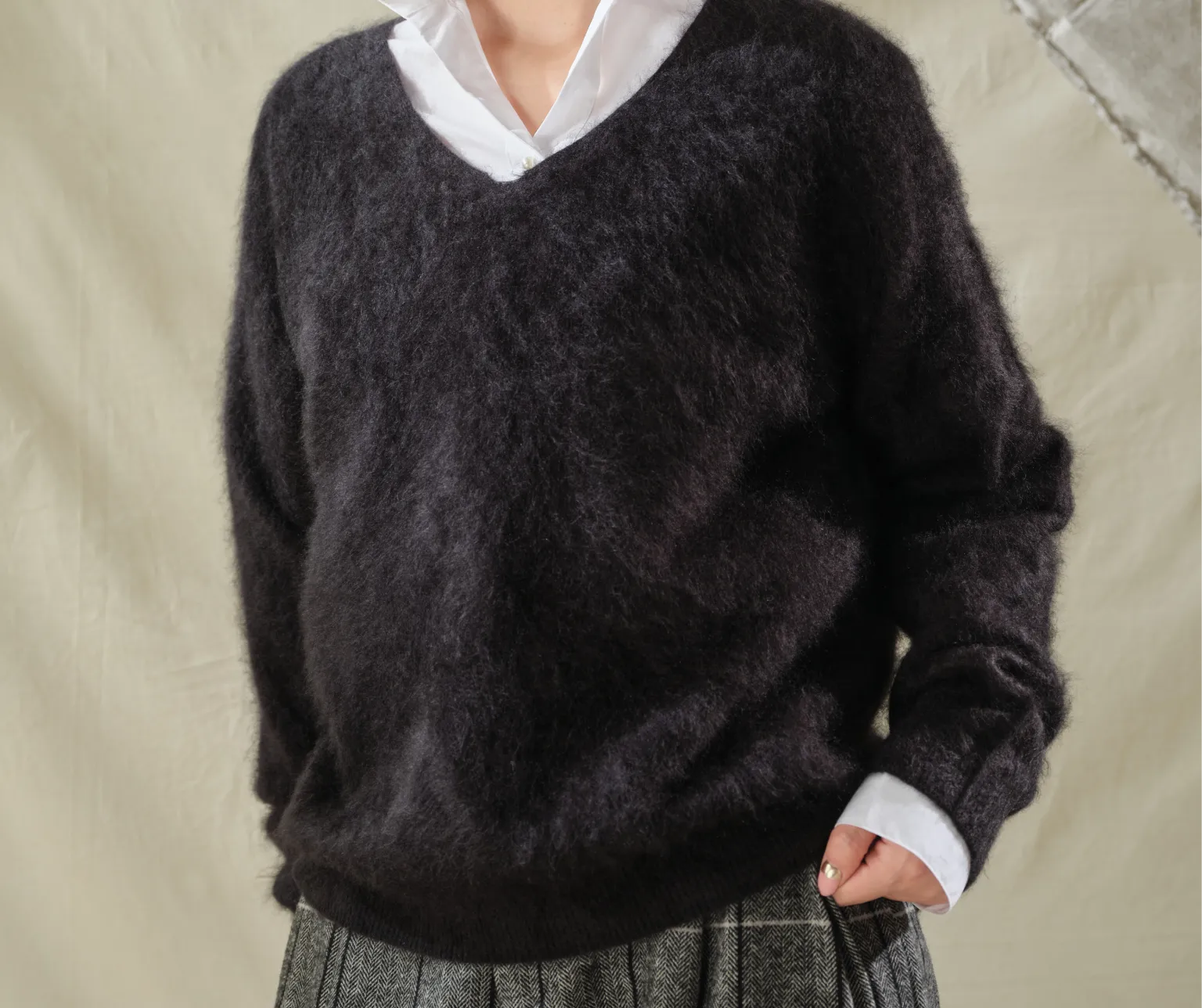
Melange Cashmere Cross-Pull Scarves

Melange Cashmere Knitted Tote Bags

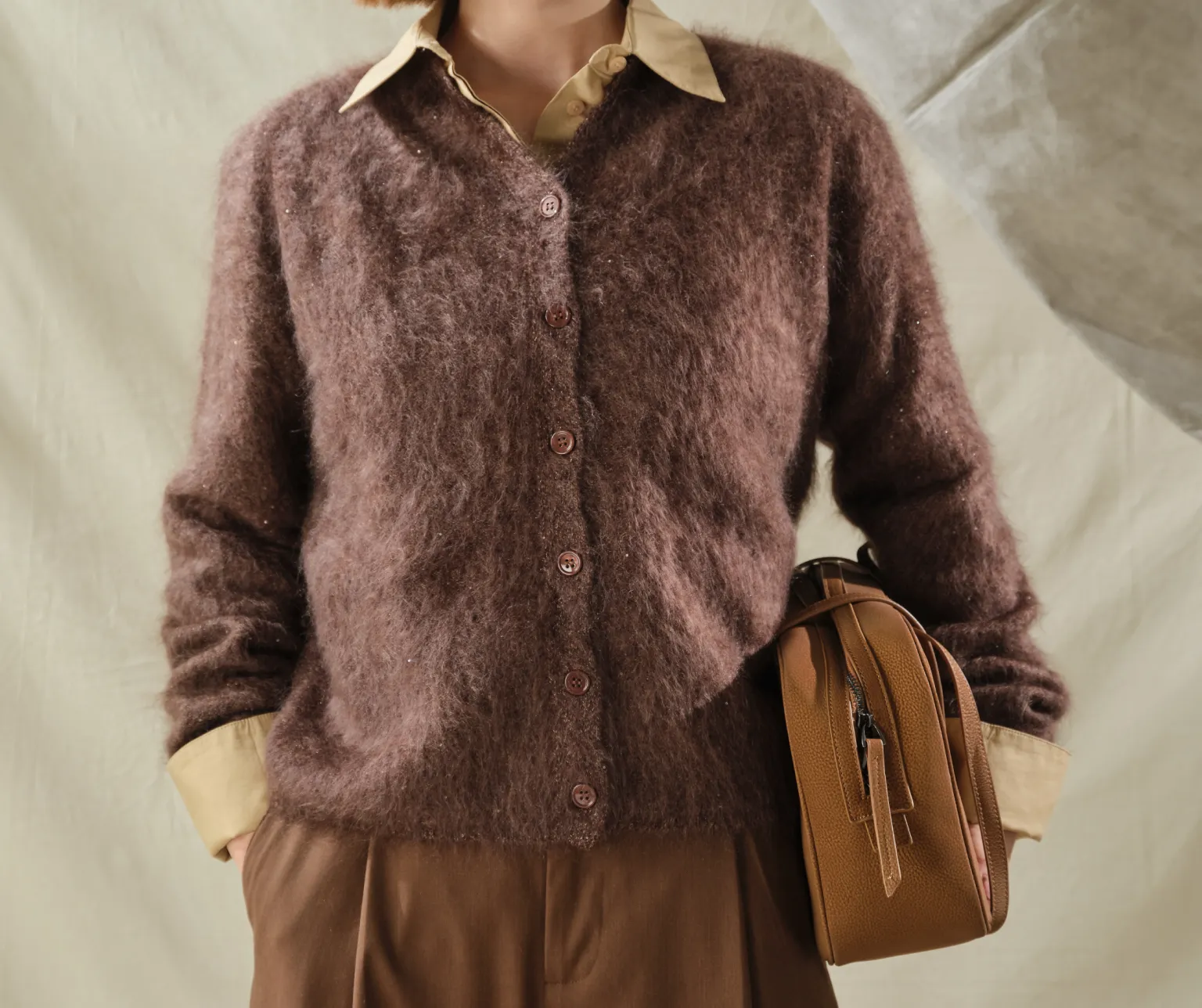
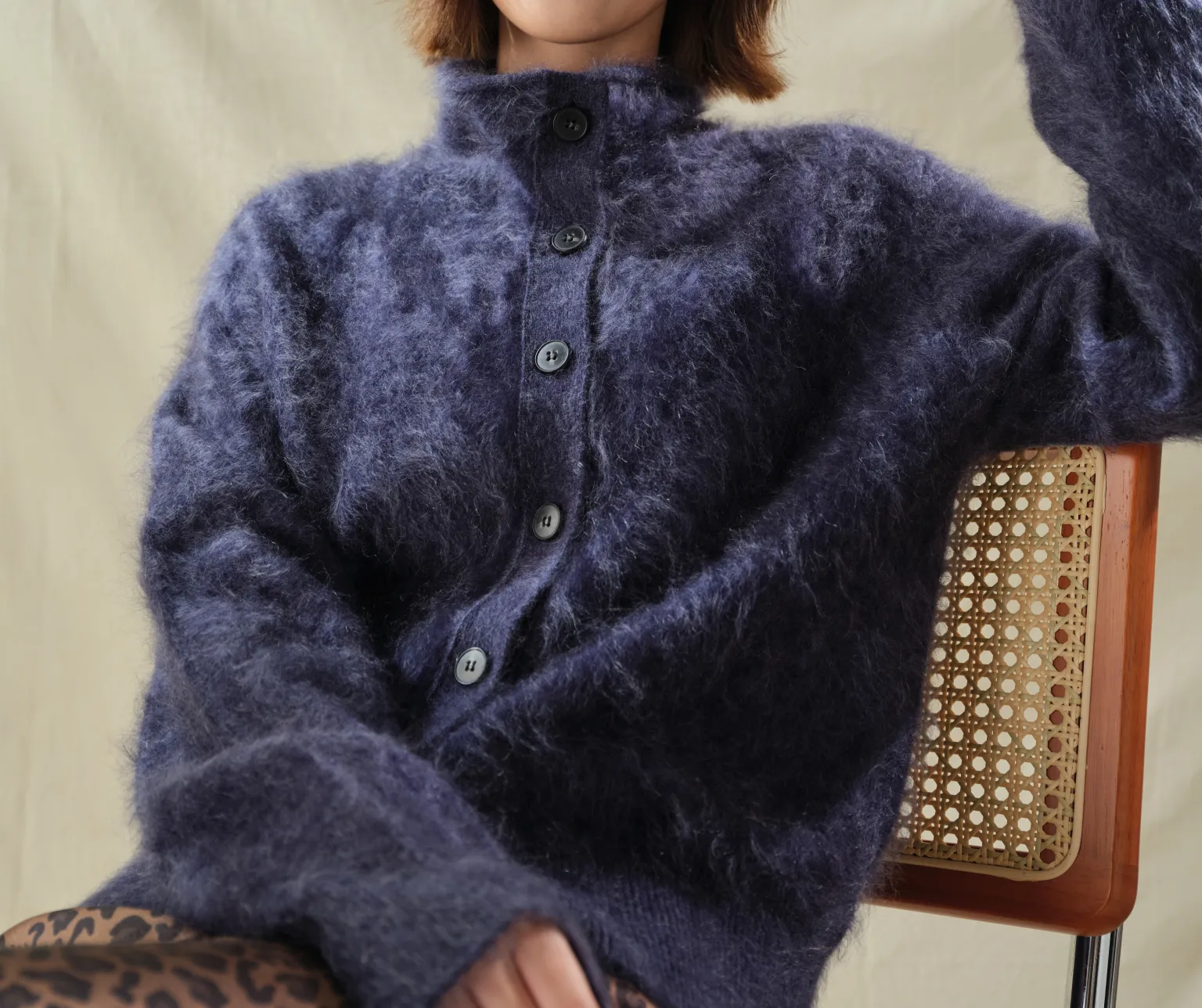
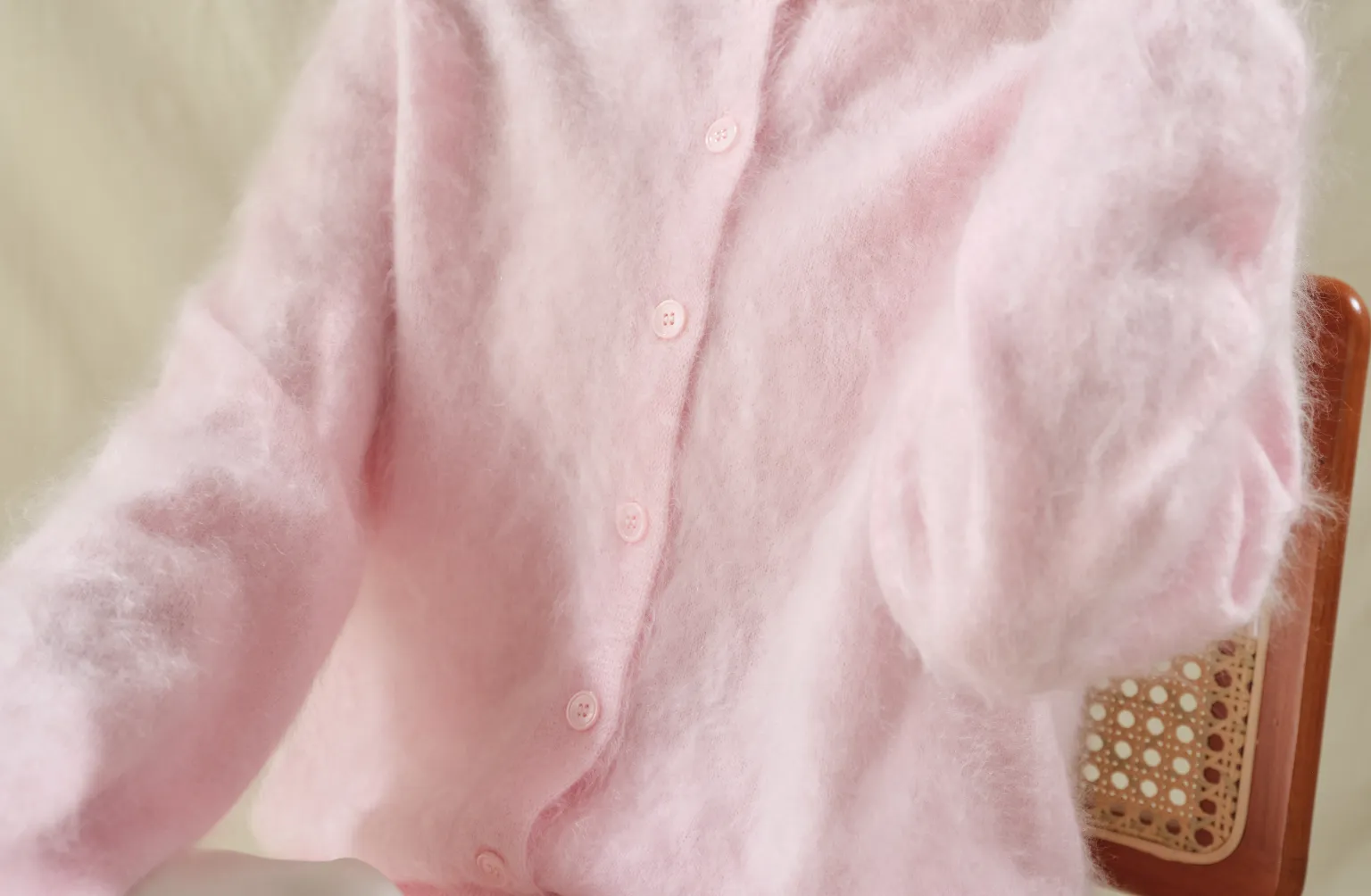
Melange Cashmere Polo Collar Cardigans

Melange Cashmere Slouchy Beanies
Mélange production moves color decisions upstream: fiber-dye ratios, carding blend accuracy, and lot-to-lot repeatability replace conventional dye-lot control. Formulations are recorded per shade and matched against retained standards on re-orders. Fiber preparation is managed at our own facility, with dyeing and knitting executed by audited partner mills.
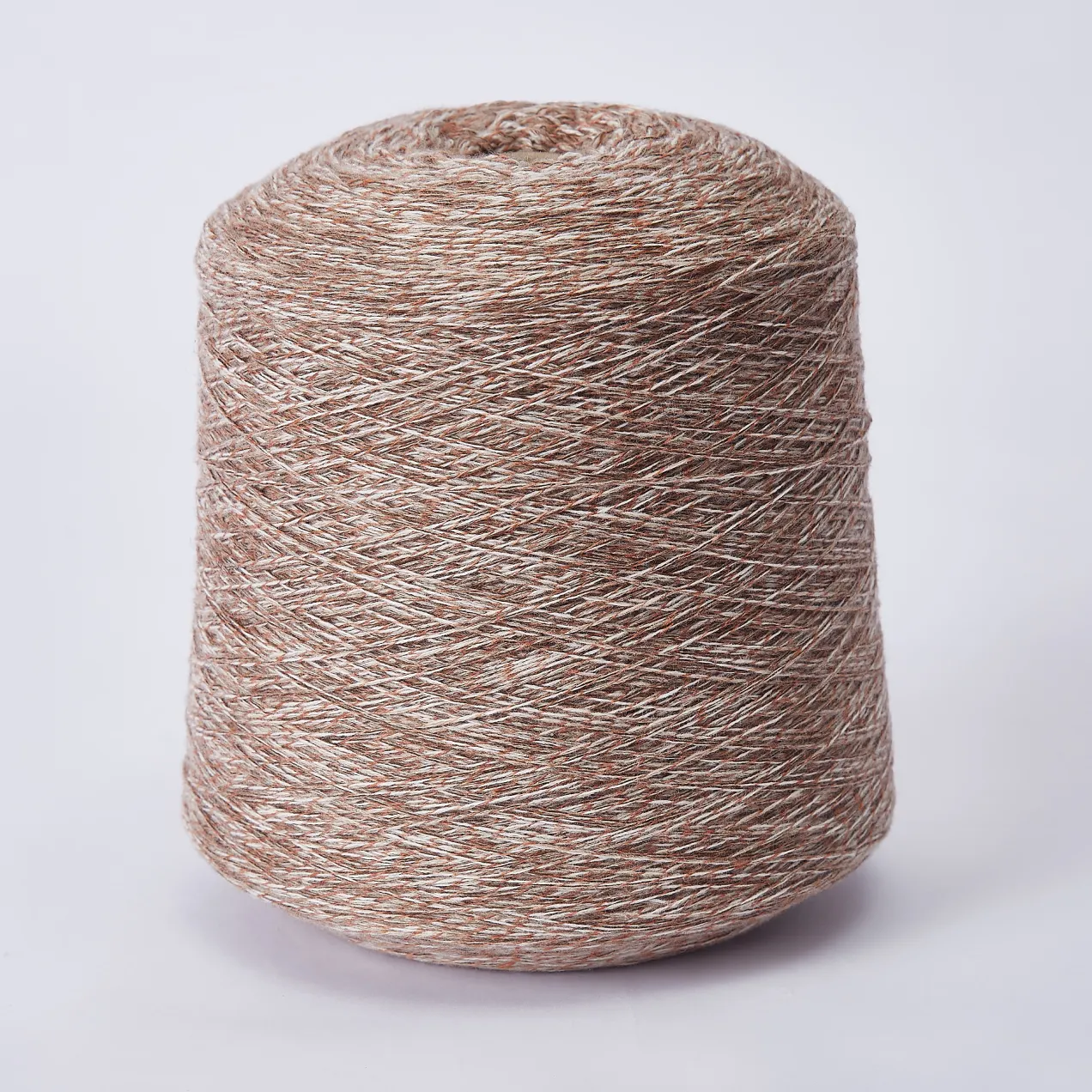
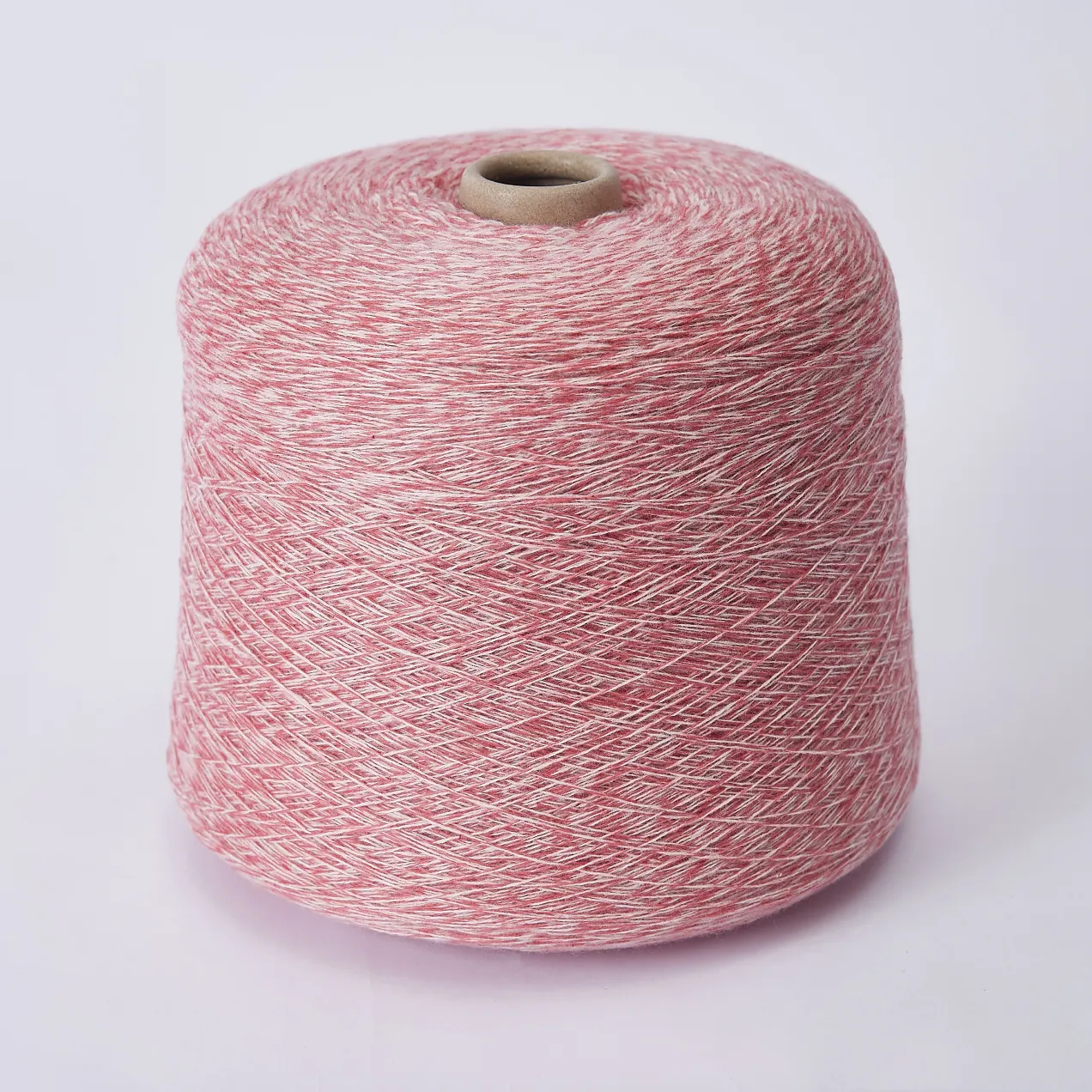
Standard solid colors are usually achieved by yarn-dyeing (dyeing the spun thread) or piece-dyeing (dyeing the finished sweater). Melange, or top-dyeing, is achieved by dyeing the raw, loose cashmere fibers in different colors first. These colored fibers are then blended together during spinning to create a yarn with a rich, multi-dimensional heathered effect.
Dyeing finished yarn, especially in dark solid colors, requires prolonged exposure to heat and pressure, which can slightly stiffen the fiber. Melange dyes the loose fibers gently before they are ever twisted. This preserves the cashmere's natural loft and elasticity, resulting in an exceptionally soft hand-feel.
Yes, we can engineer custom fiber mixtures to create unique melange shades. However, because this requires blending raw fibers at the very beginning of the spinning process, custom melange carries a significantly higher MOQ (often 100kg+) than stock colors. For smaller capsules, we highly recommend utilizing our extensive stock melange color card.
No, melange yarn maintains excellent durability. Because the fibers are gently dyed before twisting, the structural integrity of the spun yarn remains incredibly strong. When combined with our precision knitting tension, our melange garments maintain the same stringent anti-pilling standards as our solid-color collections.
Melange yarn is dyed at the fiber stage, before spinning, and that single fact reorganizes the whole supply chain around it. Dyeing loose fiber requires larger minimum batches than yarn dyeing, blending the colored fibers into a homogeneous mix adds a carding-stage operation, and the resulting yarn cannot be re-shaded afterward — a melange that misses its target tone is not corrected by overdyeing without destroying the heathered effect. The commercial consequence is a higher MOQ per colorway and a longer sampling loop, because each lab iteration runs through the full fiber-dyeing cycle. Buyers should budget three to four weeks more development time than a piece-dyed program and confirm colorways earlier in the season.
Lot management decides whether a melange program scales smoothly or fragments into mismatched shades. Each dye lot of top-dyed fiber is a fixed quantity, and garments cut from different lots can differ subtly in depth. Professional programs allocate whole lots to whole orders, record lot numbers against shipments, and hold a reserve of the same lot for reorders. Repeating a melange shade in a second season means re-creating the fiber blend recipe, so buyers who intend a shade to carry over should say so at development: the supplier then archives the recipe, the fiber ratios, and a physical standard. Our melange cashmere yarn page details the available count range and shade-building process at the yarn level.
Quality control on melange goods focuses on homogeneity rather than shade matching alone. Inspectors check the knitted panels under both daylight and store lighting for streakiness — bands where the fiber blend was imperfectly mixed show as faint striping that standard light boxes miss. Consistent carding and blending at the yarn stage prevents the defect, but panel inspection remains the last reliable gate. Photographing approved panels alongside each dye lot's standard gives the reorder process an objective reference that survives staff changes on both sides.
Design pairings multiply the value of each melange colorway. A heathered body with solid trims — collar, cuffs, and placket dyed to match one of the melange's component tones — reads as a considered collection and costs only a small additional yarn order. Melange panels also combine naturally with intarsia and stripe work; buyers building texture stories can coordinate with our striped cashmere knitwear to share dye lots across styles. Development and private-label production run through our custom program, where the fiber-dyeing calendar, lot allocation, and shade archiving are managed as one schedule with the garment production that follows.