
Search
Enter keywords to search for products, blog posts, and more.
Enter keywords to search for products, blog posts, and more.


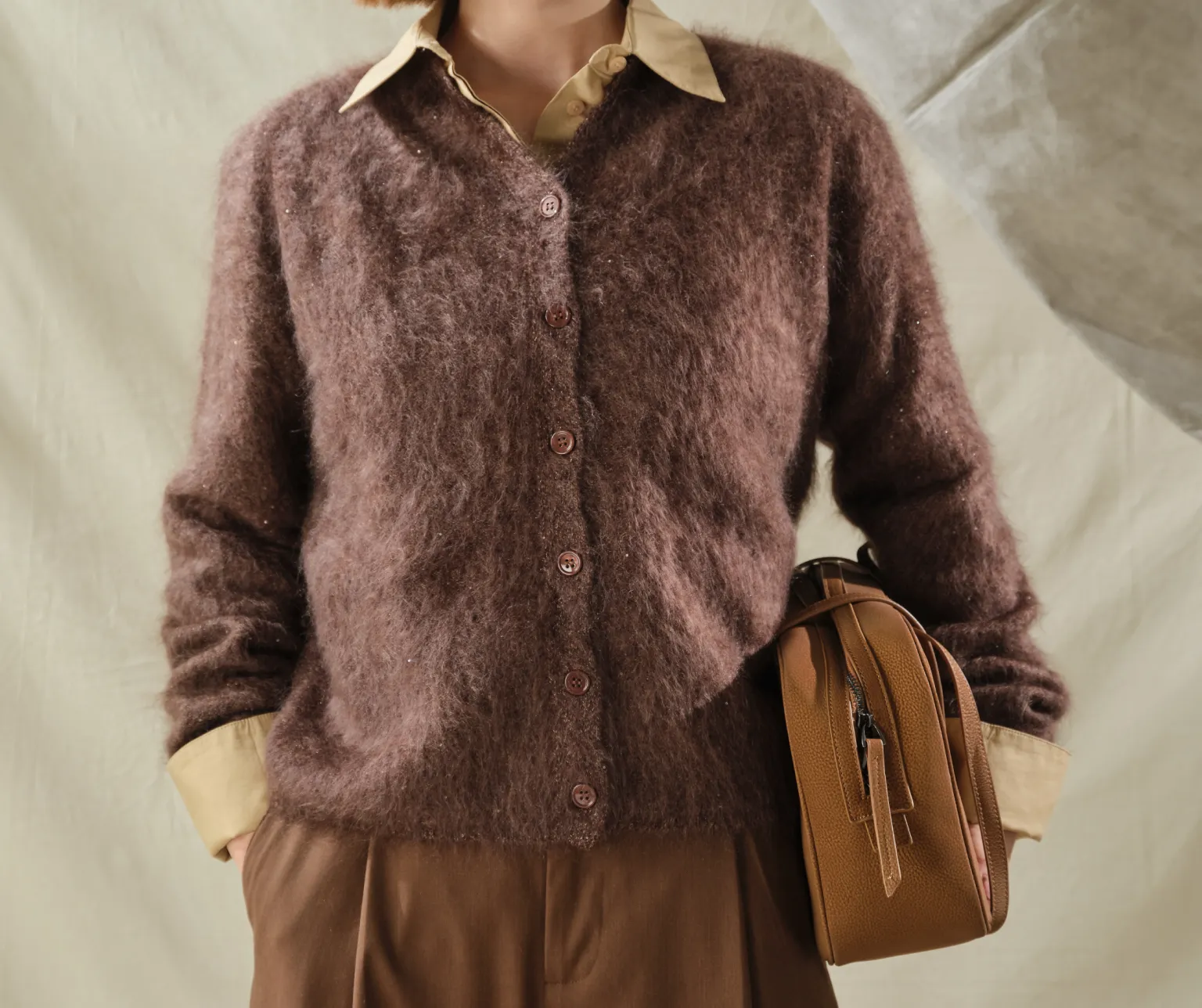
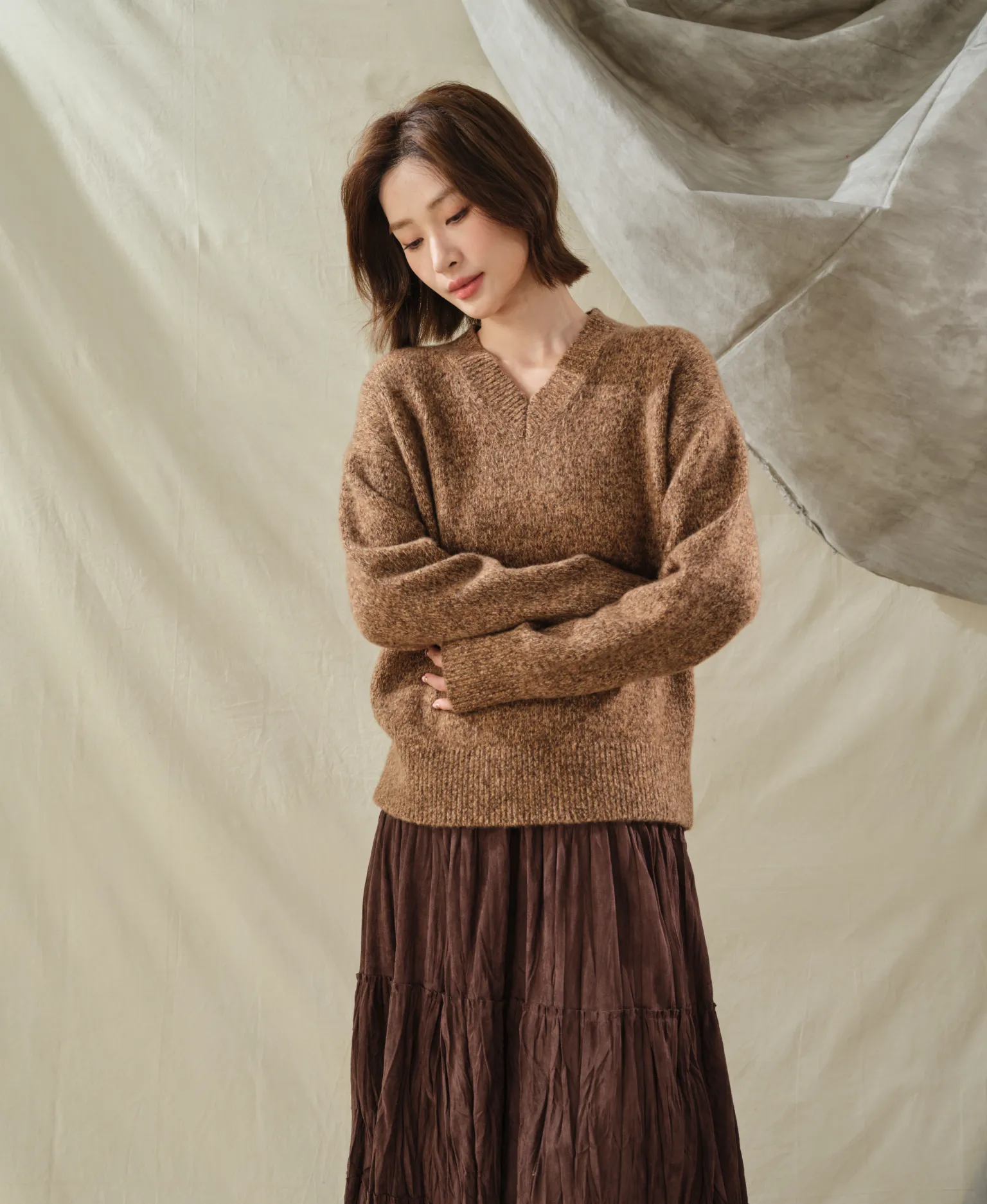
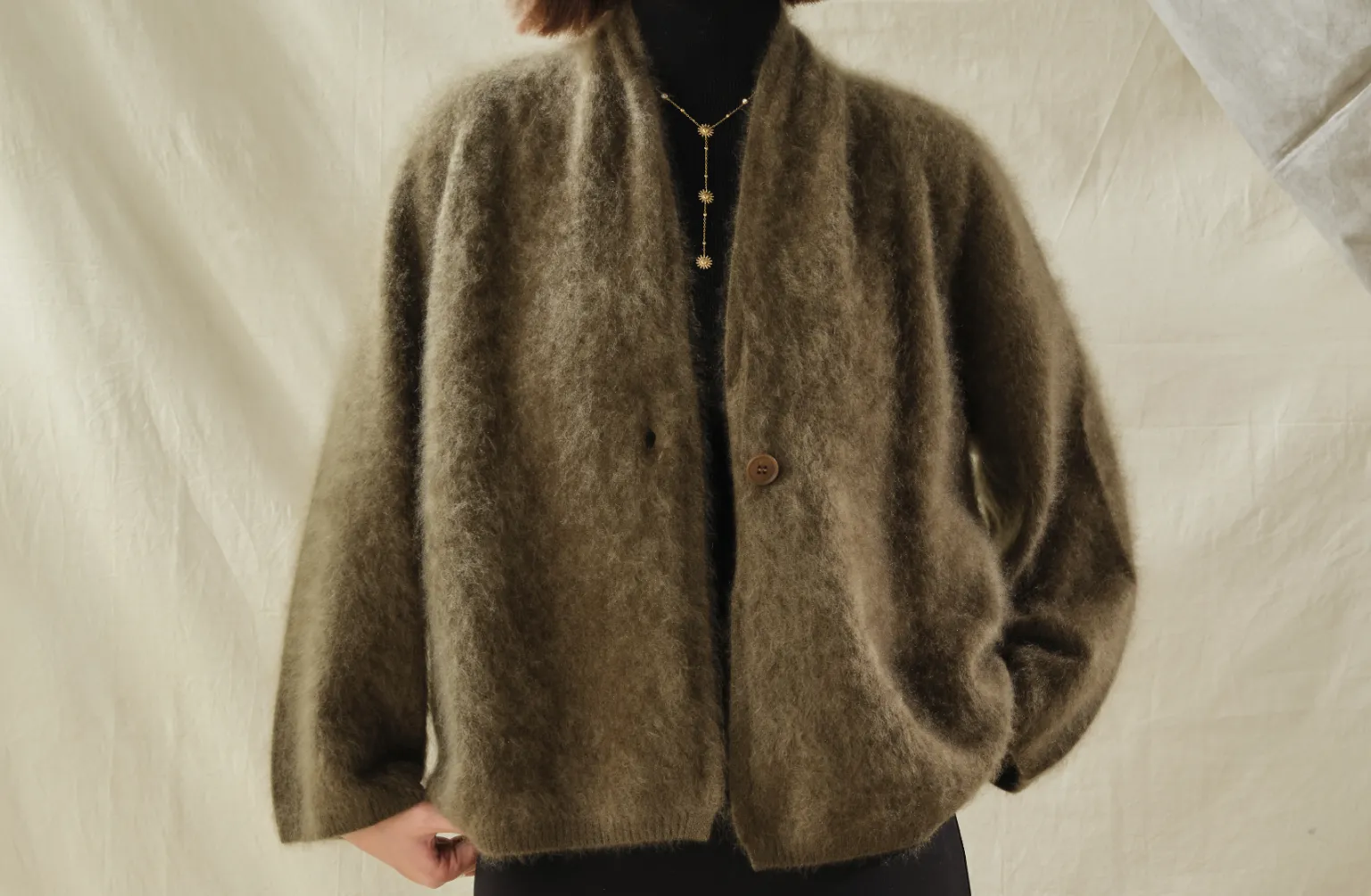
70/30 Silk Cashmere Fine-Gauge Cardigans

85/15 Cashmere Silk Crew Neck Sweaters

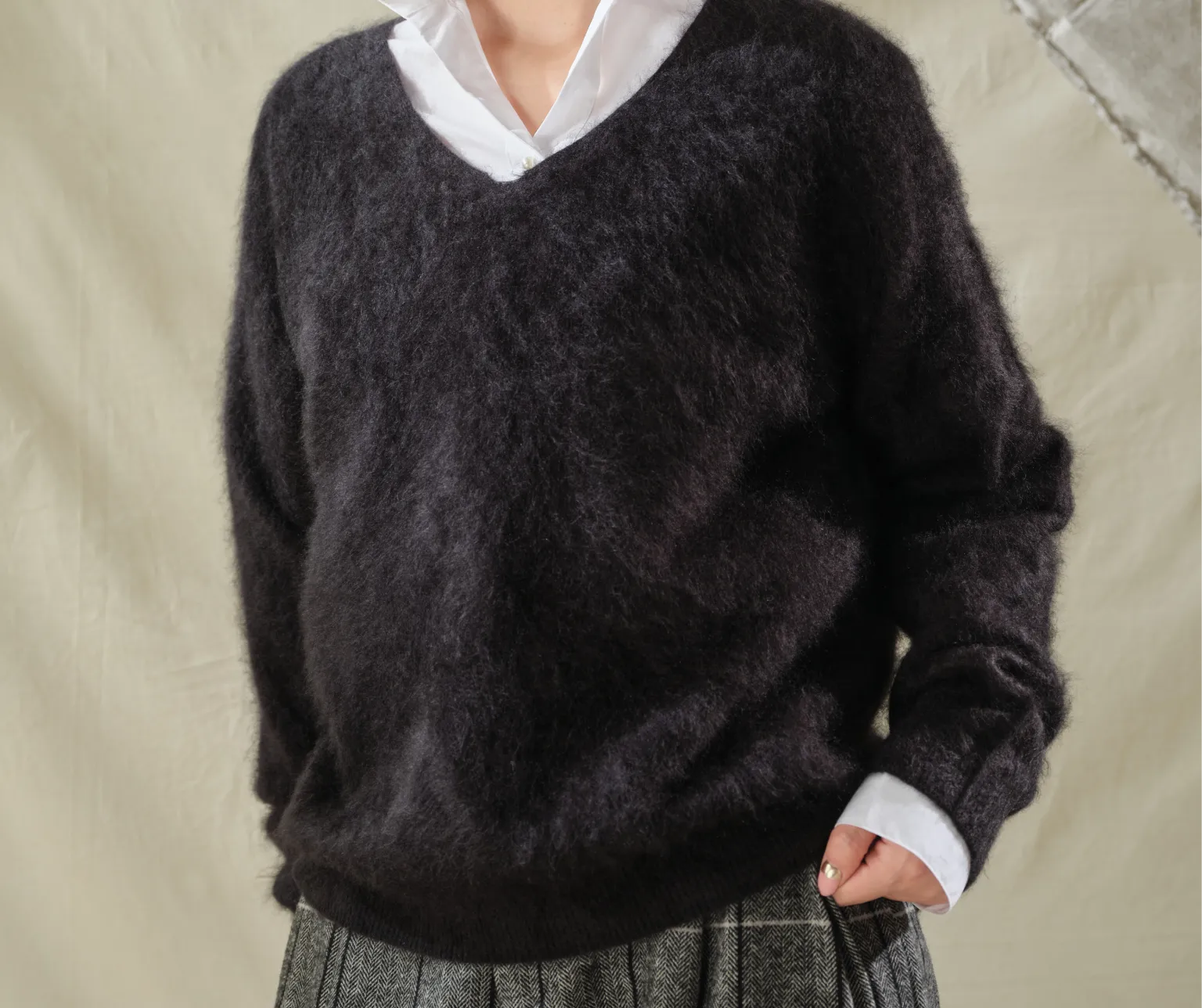
Silk Cashmere V-Neck Sweater Vests

55/45 Silk Cashmere Evening Wraps
Blended knitwear succeeds or fails at three points: how uniformly the fibers are mixed, how evenly they take dye, and how the blend behaves in milling. Specifications for ratio, dyeing curve, and washing parameters are locked at the sample stage and held on bulk. Fiber preparation is managed at our own facility, with blending, spinning, and finishing executed by audited partner mills under our quality protocol.
Intimate blending mixes the raw, unspun fibers at carding, creating a single yarn that is uniform in softness, dye uptake, and shrinkage. Twisting winds two finished threads of different materials together, and the two components then behave differently in wear and washing, producing an uneven surface over time.
Silk-cashmere is specified when a garment needs more drape, luster, or tensile strength than pure cashmere provides, or when a brand wants the cashmere name at a more accessible price point. At 70/30 the blend retains a clearly cashmere-forward hand while gaining silk's fluidity and sheen.
Yes. Blend composition is verified per lot by quantitative fiber analysis, and the test report is available with your shipment. The declared ratio on your content label is the ratio measured in the fabric.
Silk content measurably improves pilling resistance and seam strength, and it reduces the felting rate in washing. Care instructions remain the same as pure cashmere: gentle machine or hand washing at low temperature, dried flat.
Buyers moving from pure cashmere to a blend for the first time usually underestimate one thing: a blend is a second product platform, not a cheaper version of the first. The ratio, the dyeing behavior, and the finishing window all differ, and each must be specified on its own terms. Three decisions determine most of the outcome.
Choose the ratio from the retail brief, not the cost sheet. The ratio decides what the fabric can do. An 85/15 blend behaves like pure cashmere with reinforced seams; a 55/45 blend is a different fabric — fluid, lustrous, and cool — suited to evening and warm-climate retail. Reversing this logic and selecting a ratio to hit a cost target produces garments that miss their intended hand-feel. The correct sequence is to define the garment's role in the collection first, then select the ratio that delivers it.
Approve shades on the blend, not on cashmere. Silk's optical behavior shifts perceived color. A lab dip approved on pure cashmere will render differently on a 70/30 fabric, and the difference is visible enough to fail a buyer's color standard. Professional programs approve lab dips on the actual blend yarn, in the actual knit structure, before bulk dyeing begins.
Document the ratio per lot. A blend declaration is a legal claim in every major export market. Quantitative fiber analysis per production lot converts that claim from an assertion into a record, and the report should travel with the shipment file. Buyers who plan multi-season programs should also retain approved bulk swatches per lot, so re-orders can be matched against physical standards rather than descriptions.
Respect the finishing window. Silk-cashmere cannot be milled like pure cashmere. The blend's softness ceiling arrives earlier in the wash cycle, and pushing past it degrades luster without adding softness. Finishing parameters are therefore locked at sample approval and treated as production constants.
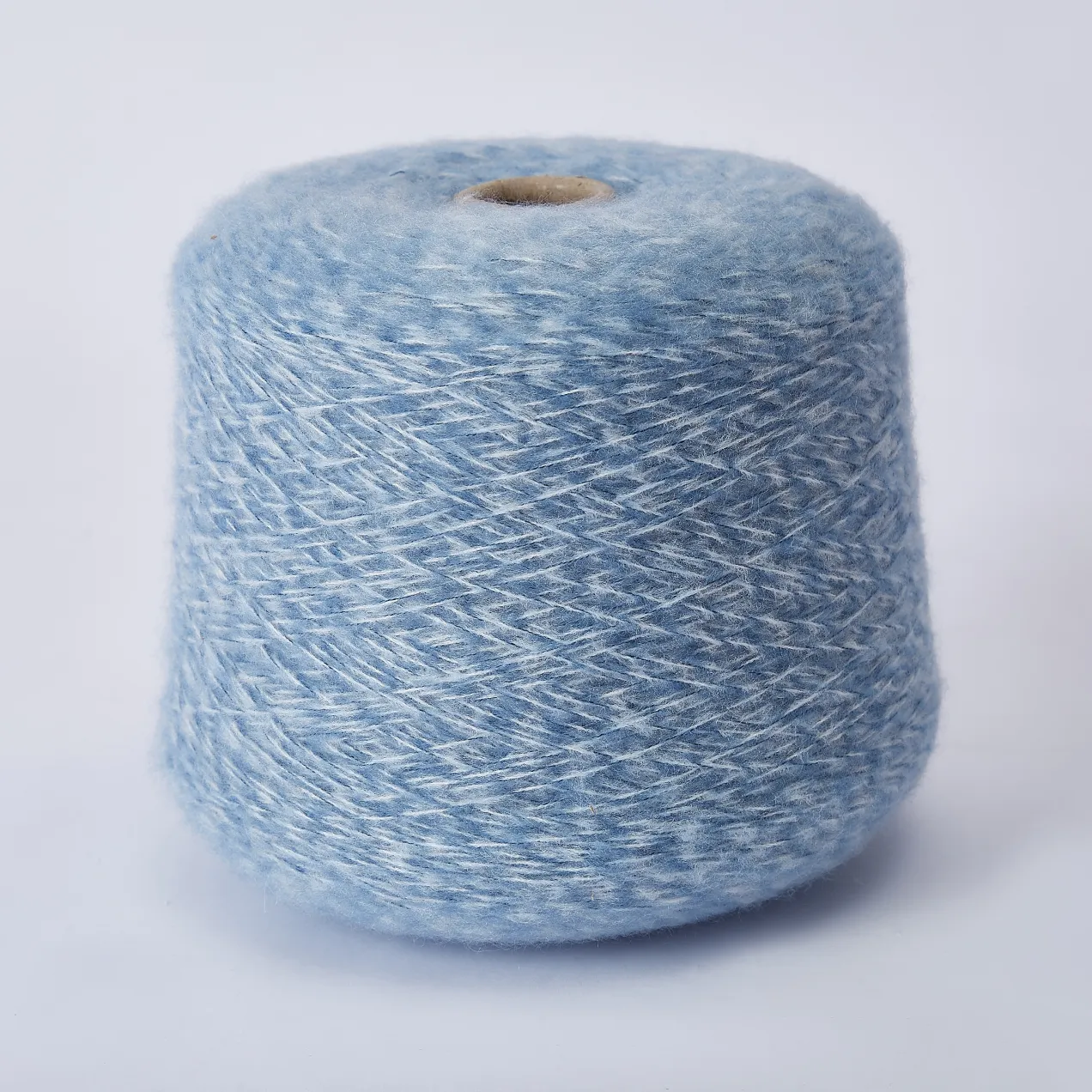
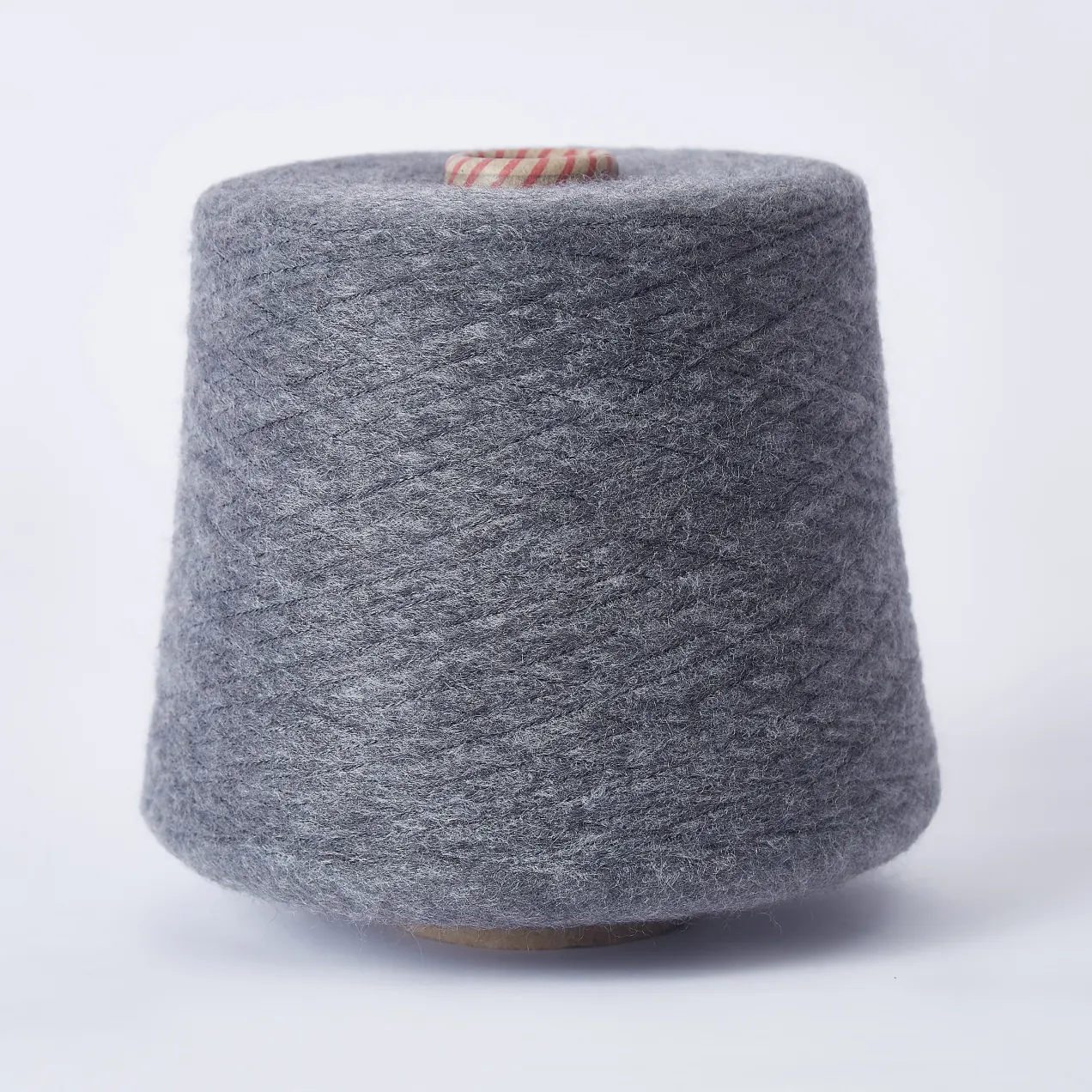
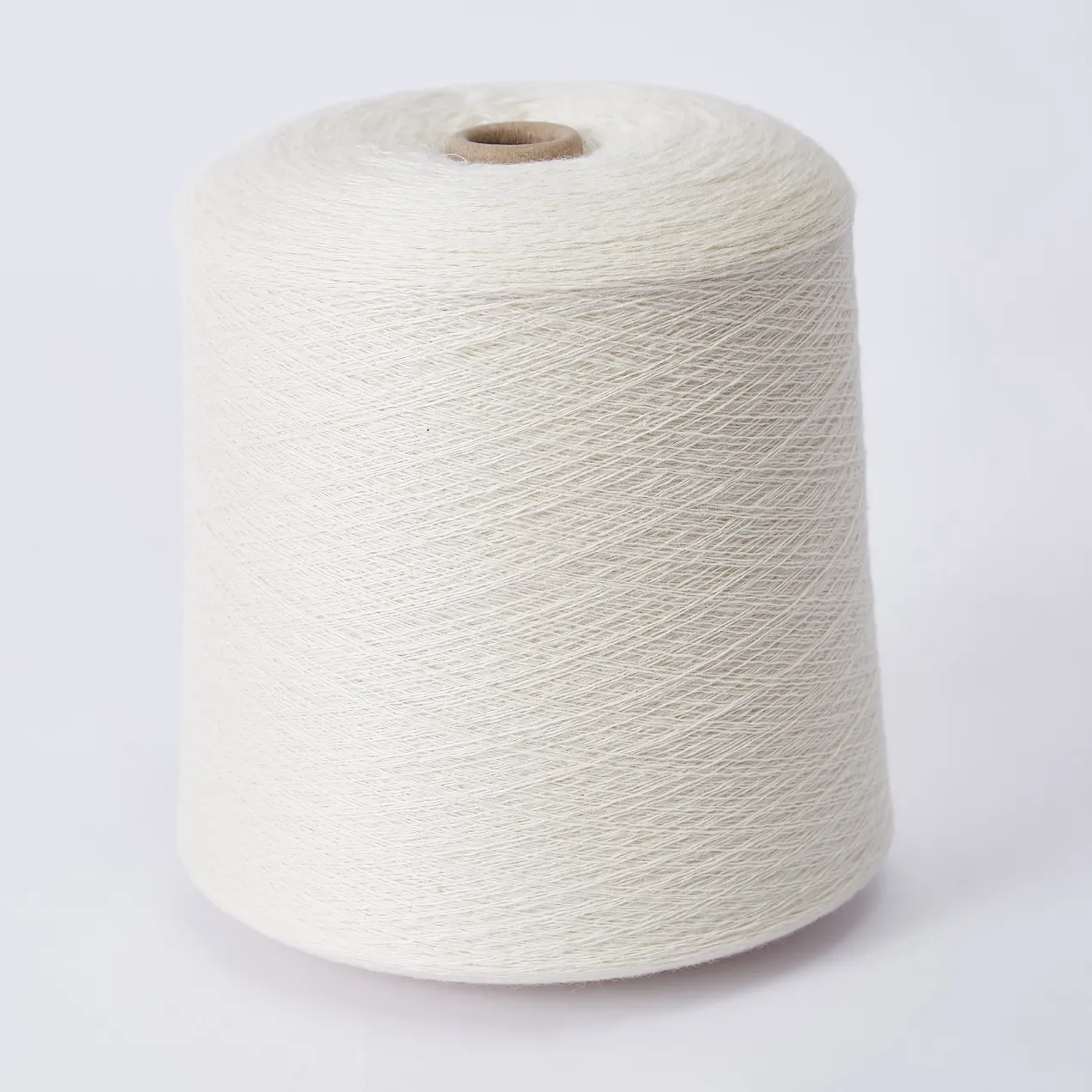
Programs developed through our custom development service follow this sequence by default: ratio selection against the retail brief, lab dips on the blend, a knitted swatch in the final structure, then proto sampling. Yarn counts and stock shades are listed in our silk-cashmere yarn range, and styles built on this platform can be reviewed in our silk-cashmere knitwear collection. Volume programs are scheduled through our wholesale service with lot-level composition records kept on file for repeat orders.