
Cashmere Yarn Count, Gauge, and Ply Specifications: A B2B Engineering Guide for Knitwear Buyers
Translating a design concept into a commercial cashmere collection requires strict alignment between raw material fineness, yarn architecture, machine gauge, and stitch density. When sourcing cashmere knitwear at scale, procurement teams frequently encounter technical shorthand such as 2/26Nm, 12GG, or multi-ply constructions. Misinterpreting these metrics leads directly to dimensional instability, incorrect thermal weight, and inconsistent hand-feel across bulk shipments. This engineering guide breaks down the metric count system, knitting machine gauge tiers, ply configurations, and technical specifications required to write flawless tech packs for custom cashmere programs.
1. Understanding Cashmere Yarn Count (Nm): The Metric System
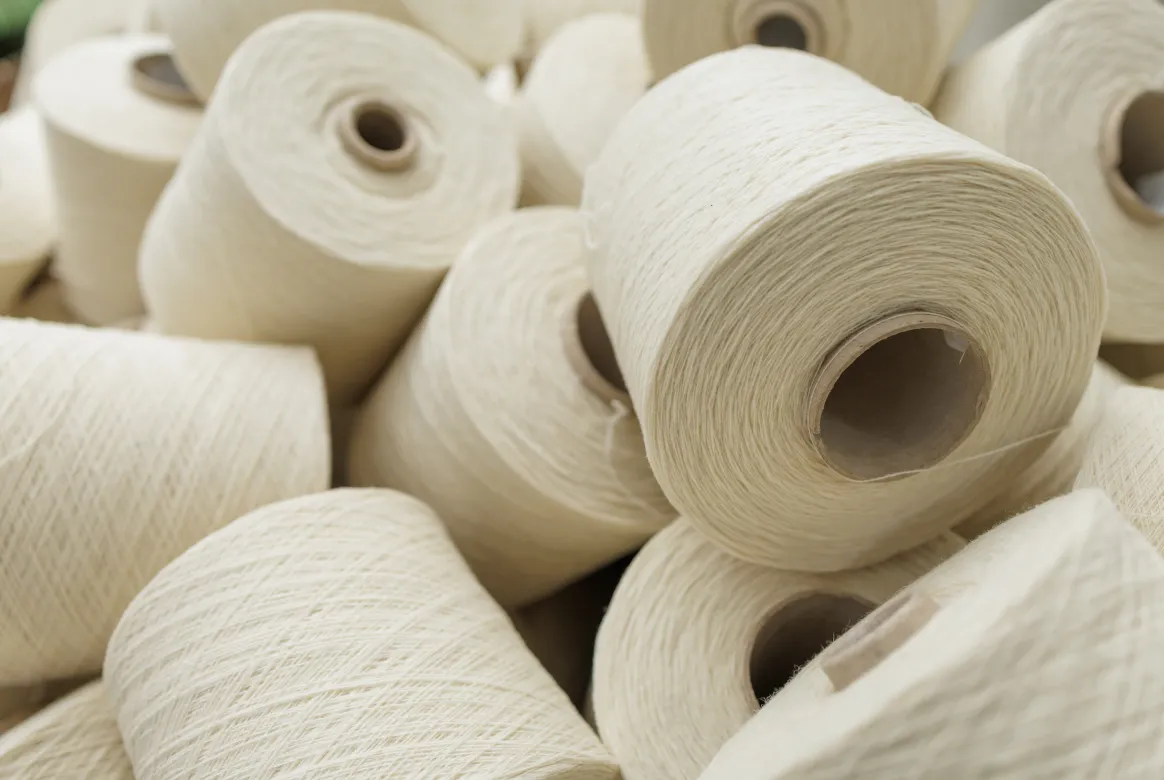
Yarn count defines the fineness or linear density of a yarn. In global cashmere manufacturing, the Metric Count (Nm) system is standard. Nm measures how many meters of a single yarn strand weigh one gram, or equivalently, how many kilometers weigh one kilogram.
For instance, a 26Nm single yarn means that one kilogram measures 26,000 meters. The core mechanical rule governing yarn count is direct: the higher the Nm number, the finer and thinner the single strand. Conversely, a lower Nm number represents a thicker, heavier strand. When reviewing spinning mills and cashmere yarn catalogs, B2B buyers must evaluate yarn count alongside fiber staple length to ensure the spinning limit matches the garment category.
| Metric Count Range | Fineness Classification | Primary Application & Characteristics |
|---|---|---|
| Below 16Nm | Coarse / Heavy Count | Chunky outer layers, heavy cable knits, and rugged winter accessories |
| 20Nm – 30Nm | Standard / Core Count | Everyday cashmere sweaters, classic cardigans, and standard winter weights |
| 36Nm – 48Nm and above | Fine / Luxury Count | Lightweight trans-seasonal garments, fine gauge crew necks, and luxury layering pieces |
2. Decoding Ply Configurations: Single vs. Multi-Strand Assemblies
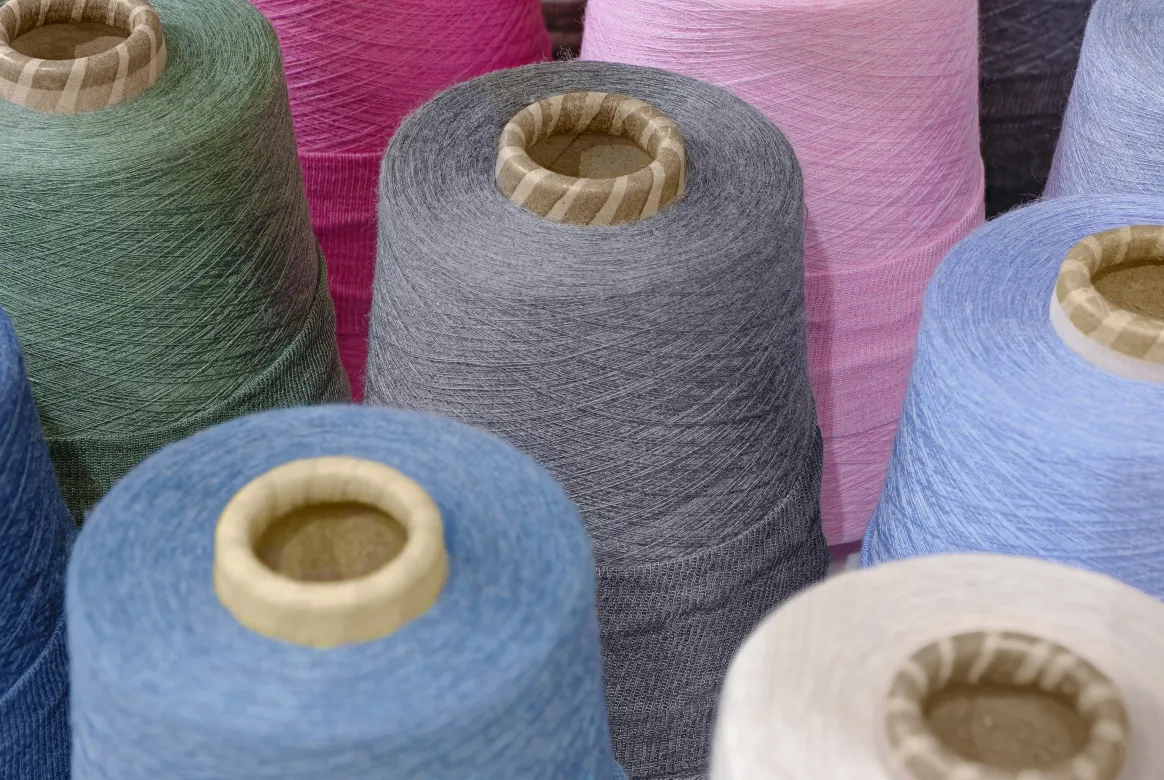
Cashmere yarn is rarely knitted as a single fragile strand in premium apparel. Instead, spinning mills twist multiple single strands together to form a balanced, durable yarn. This is designated by a fraction format, such as 2/26Nm.
- The first number (Numerator): Indicates the number of plies (individual strands) twisted together. For example, a '2' indicates a two-ply yarn.
- The second number (Denominator): Indicates the metric count (Nm) of each individual single strand before twisting.
In a 2/26Nm yarn, two strands of 26Nm single yarn are twisted together. The resulting plied yarn has a combined linear density equivalent to 13Nm (26 divided by 2), but delivers significantly higher tensile strength, better elastic recovery, and superior pilling resistance than a single 13Nm strand. Luxury programs occasionally utilize 3-ply or 4-ply assemblies (e.g., 3/28Nm) for heavy-gauge structures where dimensional stability and deep stitch relief are mandatory.
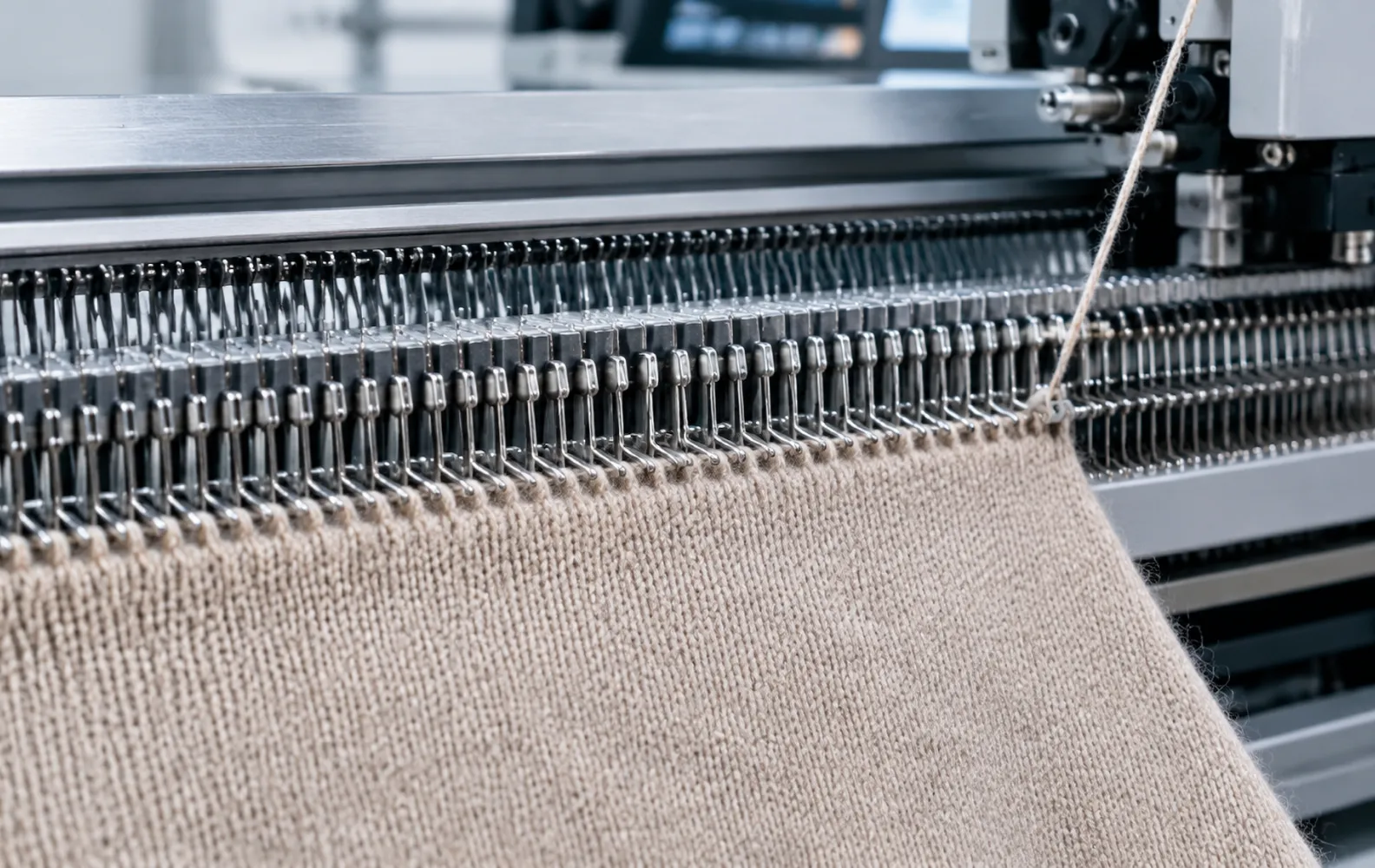
3. Machine Gauge (GG): Matching Yarn to Needle Density
Machine gauge (GG) measures the density of needles on a flat-bed knitting machine bed, expressed as the number of needles per English inch (2.54 cm). Gauge dictates the physical spacing between stitches and determines which yarn counts are mechanically compatible with the machine.
| Machine Gauge Tier | Needle Density | Recommended Yarn Count | Garment Style & Weight |
|---|---|---|---|
| 3GG – 5GG | Low Density | 1/2.8Nm, 2/16Nm, or heavy multi-ply | Chunky cable knits, heavy outerwear, and oversized silhouettes |
| 7GG – 9GG | Medium Density | 2/26Nm, 2/28Nm | Standard crew necks, core cardigans, and balanced thermal weights |
| 12GG – 14GG | Fine Density | 2/48Nm, 2/60Nm | Refined business casual wear, lightweight pullovers, and trans-seasonal layering |
| 16GG and above | Ultra-Fine Density | 1/60Nm, 1/80Nm | Ultra-lightweight garments, spring shells, and luxury base layers |
Attempting to knit a heavy 2/16Nm yarn on a fine 14GG machine will jam the needle bed and snap the yarn, while running a fine 2/48Nm yarn on a 3GG machine will result in an excessively loose, unbonded fabric with poor structural integrity. Proper technical planning ensures gauge and count operate in precise harmony.
4. Engineering Stitch Structures and Fabric Density
Beyond yarn count and gauge, the chosen stitch structure dictates how the garment behaves during laundering and wear. Sourcing teams must specify structure alongside yarn parameters in the tech pack:
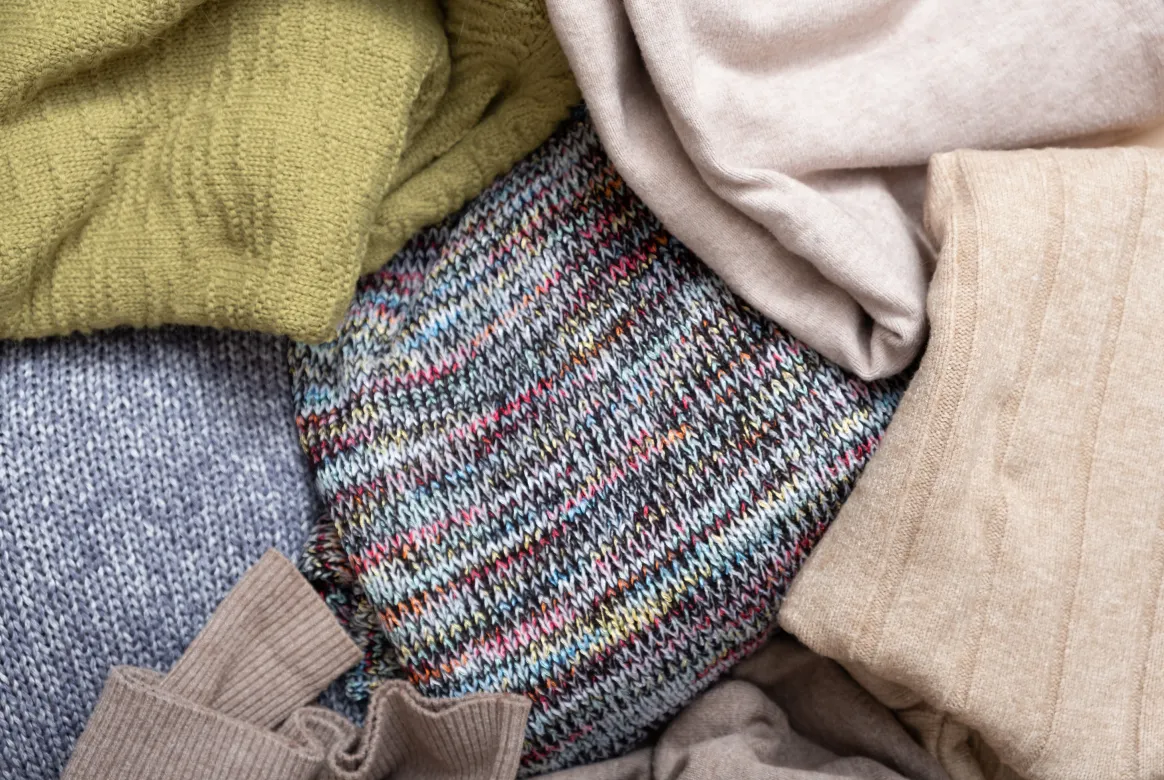
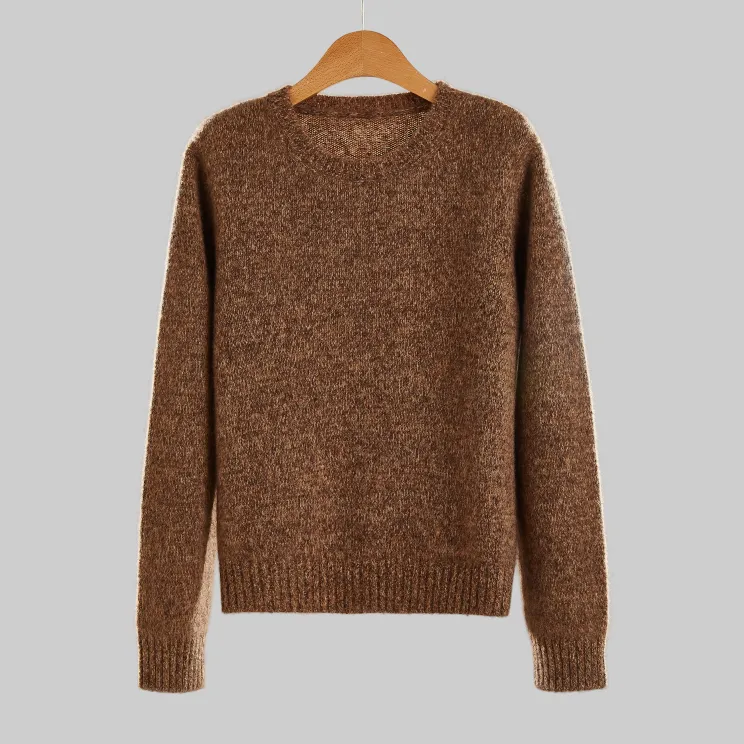
- Plain Jersey: The standard flat stitch, offering a clean face and lightweight drape. Ideal for fine-gauge womens cashmere pullovers.
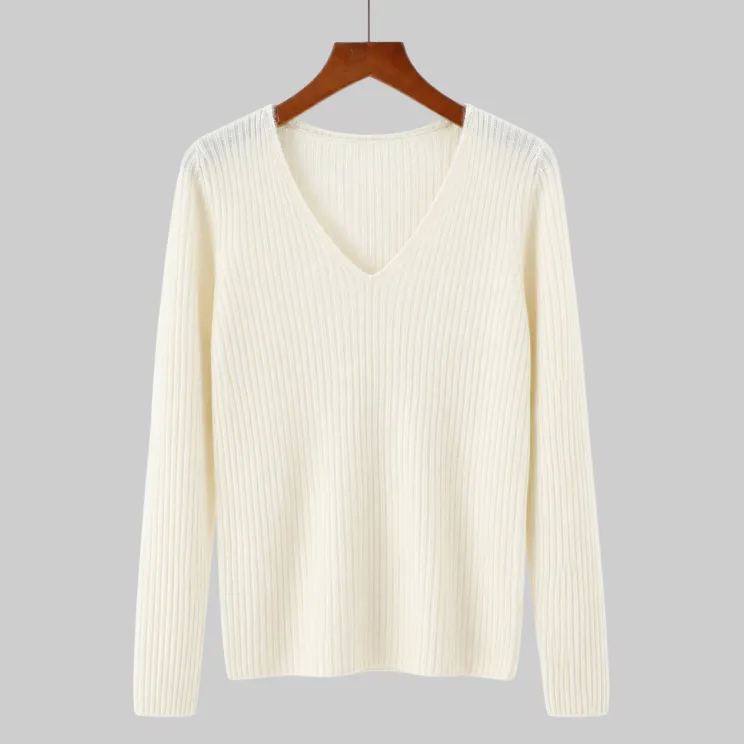
- Rib Knit (1x1 and 2x2): Highly elastic structures formed by alternating knit and purl stitches. Essential for cuffs, waistbands, and fitted mens cashmere collections, providing strong shape retention.
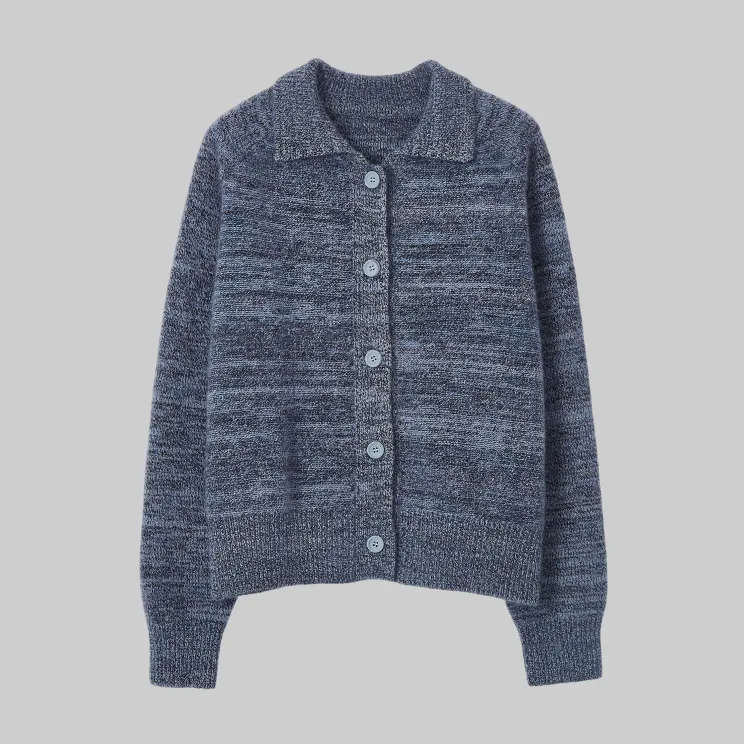
- Milano Rib: A dense, stable double-knit structure that resists curling and stretching. Widely specified for structured cardigans and tailored outerwear.
- Cable Knit: Interlaced loop structures that create deep surface relief and heavy thermal volume, requiring sturdy yarn counts like 2/26Nm on 5GG or 7GG machines.
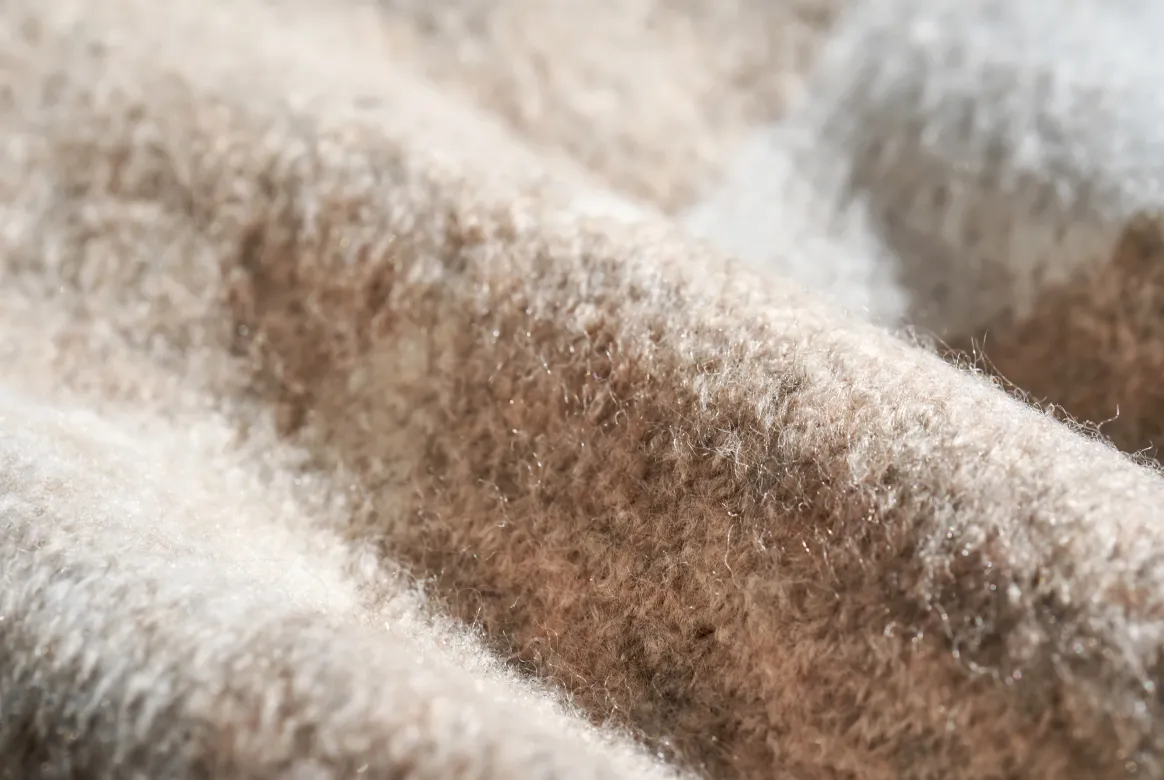
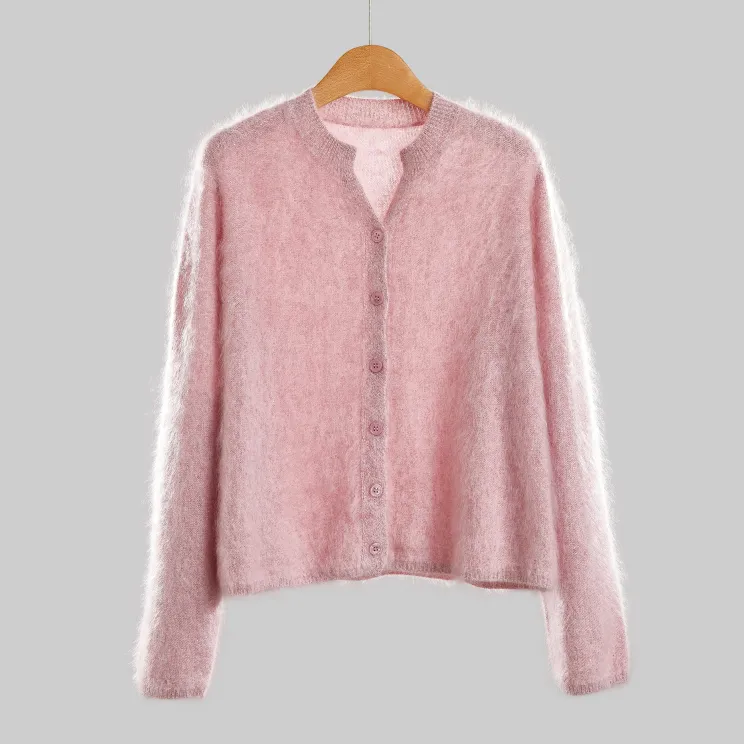
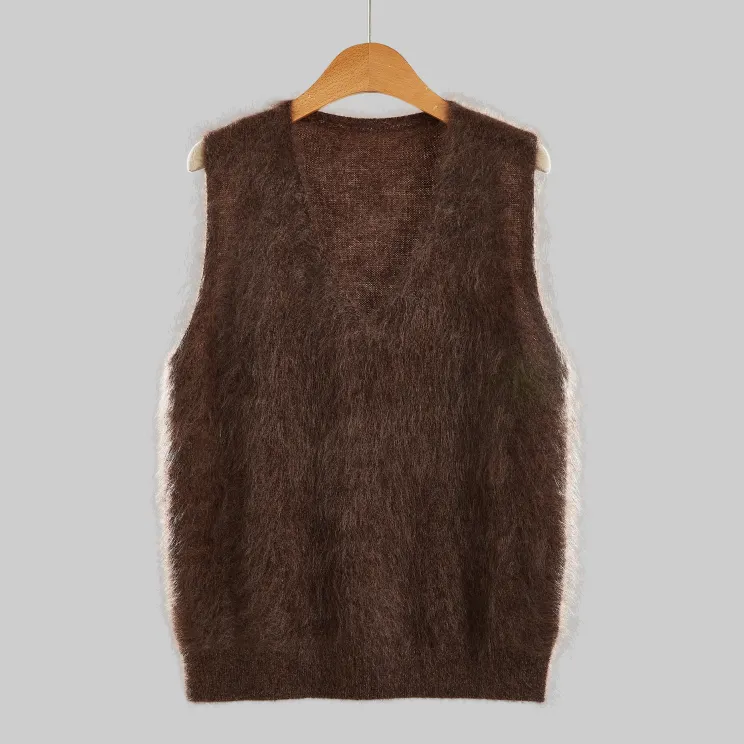
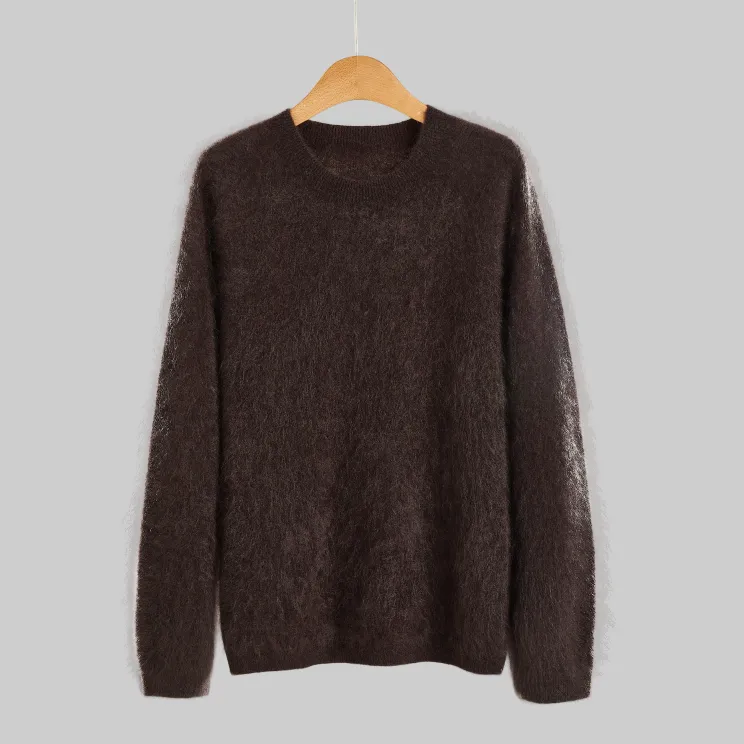
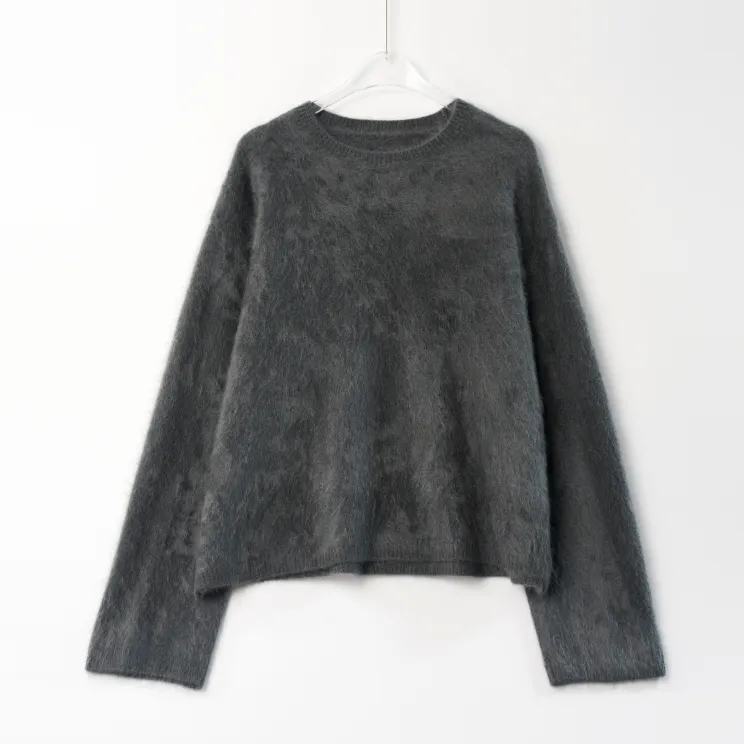
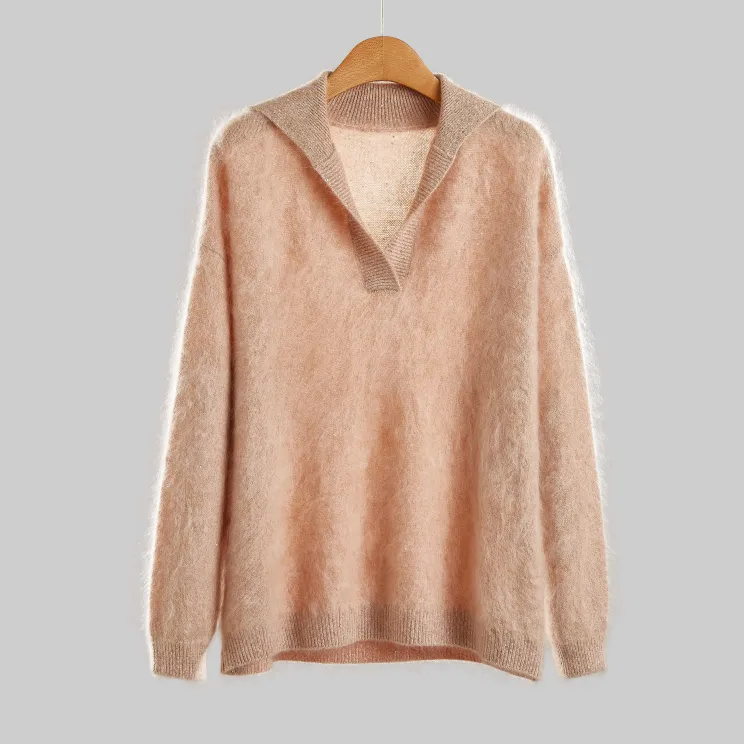
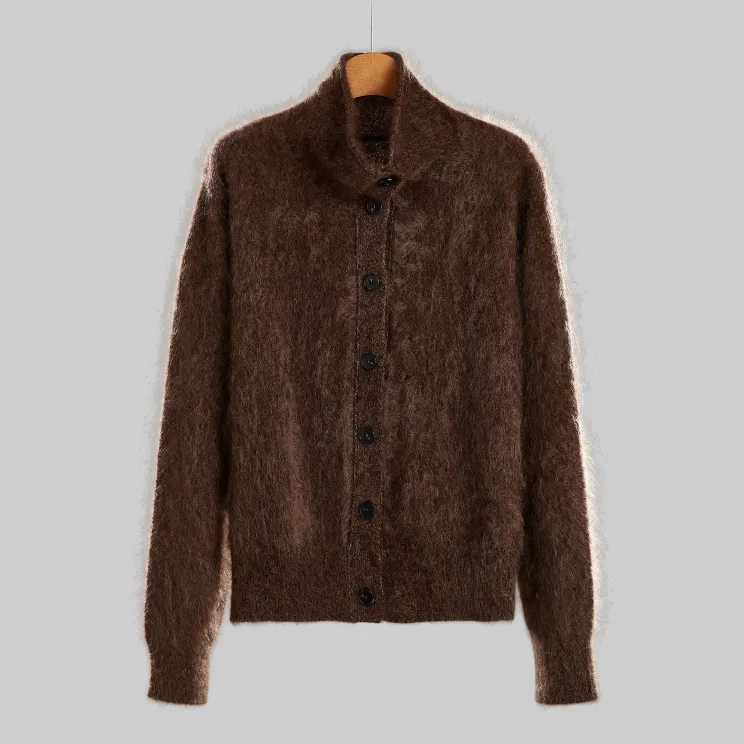
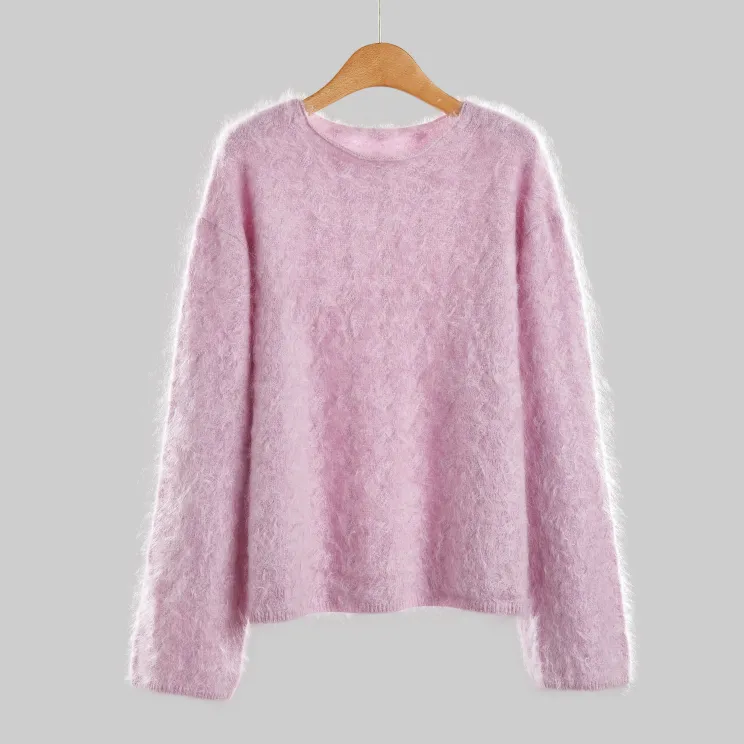
For specialized tactile finishes, such as brushed cashmere, engineers must account for the mechanical raising of surface fibers when calculating finished GSM (grams per square meter) and stitch tension.
5. Technical Specifications for B2B Tech Packs
When issuing a purchase order or tech pack to a manufacturing partner, vague descriptions lead to costly sample rejections. A complete yarn and knitting specification block must contain:
- Fiber Composition: e.g., 100% Grade A Inner Mongolian Cashmere, maximum micron ceiling 15.5µm, minimum staple length 36mm. Reference our Grade A cashmere sourcing guide for raw material benchmarks.
- Yarn Count & Ply: e.g., 2/26Nm woolen-spun cashmere yarn.
- Machine Gauge: e.g., 7GG flat-bed automated knitting.
- Stitch Density & Weight: Target finished weight in GSM or grams per garment piece, including dimensional tolerance limits (±3%).
- Wet Finishing Parameters: Controlled milling time, water temperature, and natural softening curves to achieve the desired bloom without compromising fiber strength.
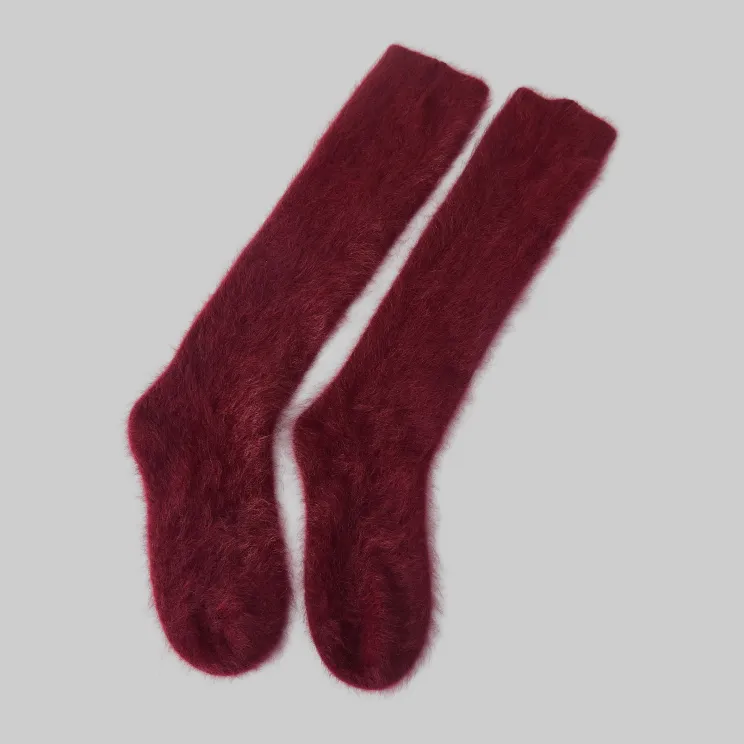
Brands developing specialized accessories such as cashmere scarves or cashmere socks must adjust twist multipliers and take-down tension to prevent excessive stretching during wear.
6. Partner with an Integrated Manufacturer for Precision Execution
Mastering yarn count, gauge interaction, and wet finishing requires end-to-end manufacturing control. Zhejiang Dingchuang Cashmere operates a fully integrated supply chain from raw fiber collection and dehairing in Tongxiang to precision spinning, automated flat-bed knitting, and controlled wet finishing. Whether you are scaling a commercial wholesale cashmere collection or engineering private-label tech packs from scratch, our technical team ensures your production runs meet exact engineering tolerances. Contact our specialists today to review your upcoming seasonal specifications.
-

Dingchuang Textile Technical Team
Cashmere Sourcing & Knitwear Specialists, Dingchuang Cashmere
Authored by the technical specialists at Zhejiang Dingchuang Cashmere Co., Ltd. Founded in 2013 in Tongxiang, our team oversees integrated supply chain operations from raw goat cashmere collection and in-house mechanical dehairing to precision computerized knitting and specialty wet finishing, providing actionable manufacturing guidance for global apparel brands and designers.