
Global Cashmere Market Update: Raw Fiber Price Stability, EU Traceability Compliance, and Autumn 2026 Production Trends
The global luxury knitwear sector is navigating a pivotal operational phase as autumn 2026 production peaks across major manufacturing hubs. Recent market intelligence from top-tier processing centers indicates steady raw material pricing, heightened regulatory pressure regarding supply chain transparency in European retail markets, and an acceleration of automated digital tech-pack integration among B2B buyers. For procurement directors and brand managers, aligning sourcing schedules with current macroeconomic and regulatory shifts is essential to protecting profit margins and meeting strict compliance standards.
1. Raw Fiber Price Stabilization and Dehaired Material Trends
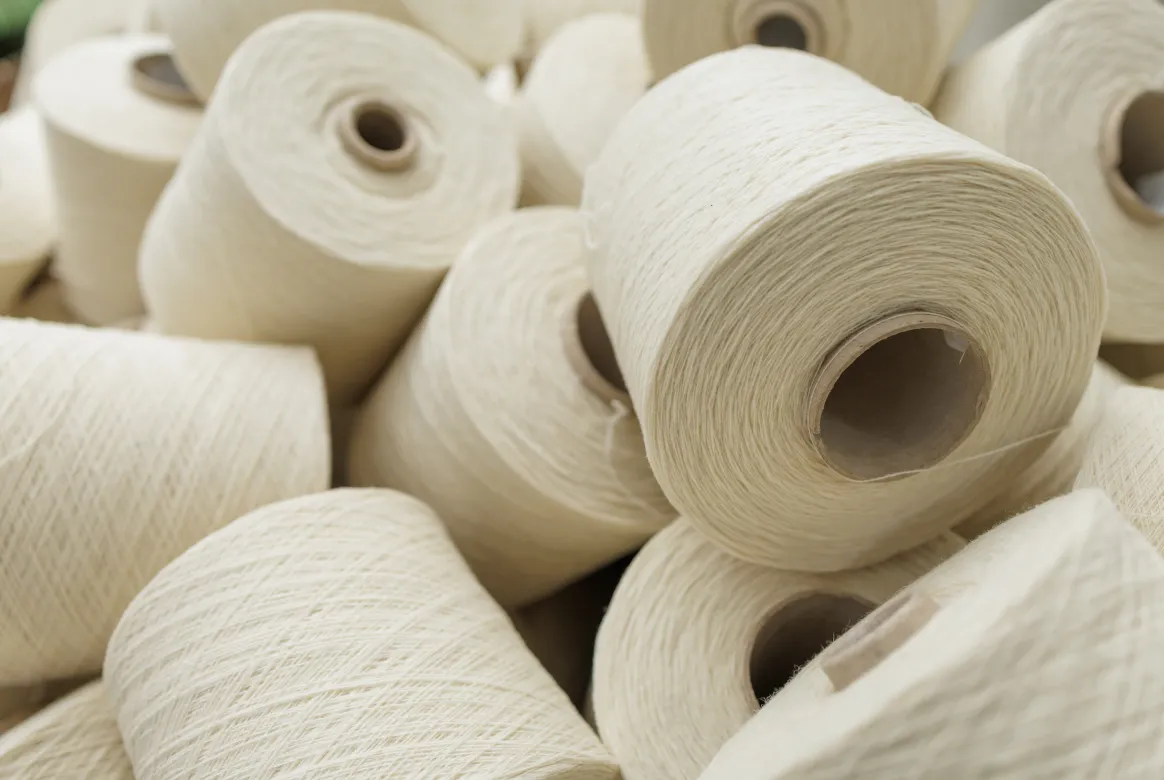
Following consecutive quarters of cost volatility driven by alpine grazing conditions and raw fiber collection overheads, raw cashmere prices have entered a plateau phase. Dehaired white raw material remains stable in the 720,000 to 740,000 CNY per tonne threshold, while ex-works pure cashmere yarn prices reflect modest, predictable adjustments matching seasonal inflation.
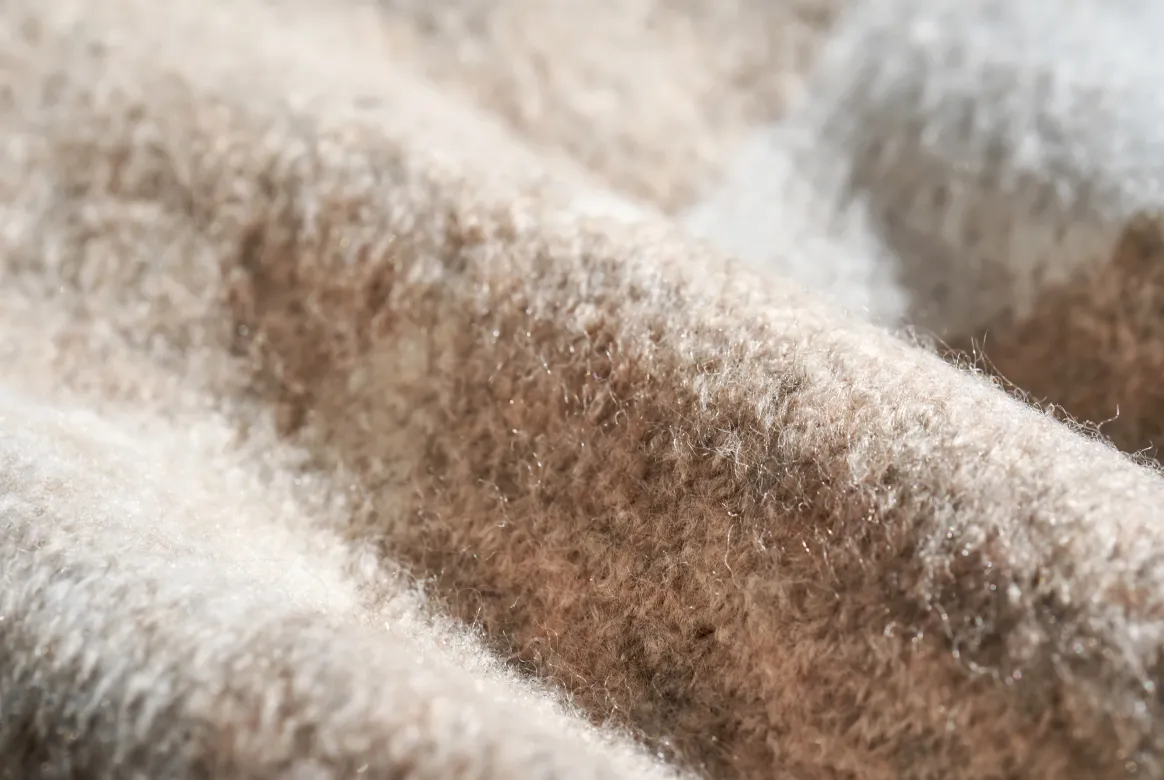
This relative cost stability allows B2B procurement teams to lock in long-term manufacturing agreements with greater cost certainty. However, because premium Inner Mongolian long-staple down (measuring 36mm and above) remains in high demand for luxury 100 percent cashmere programs, suppliers controlling direct origin channels retain a distinct advantage in volume allocation. Brands relying on spot-market procurement face tight availability for high-grade raw wool, reinforcing the necessity of early yarn commitment.
2. Regulatory Pressure: EU Textile Passports and Traceability Audits
European Union regulatory frameworks concerning supply chain transparency are actively reshaping import requirements for luxury garments. Importers into the European market are accelerating third-party verification protocols to comply with emerging digital product passport standards and strict anti-greenwashing directives.
B2B buyers can no longer rely on generic origin claims. Compliance mandates require verified documentation tracking fiber batches from herder cooperatives through dehairing, spinning, and final manufacturing. Exporters equipped with transparent, auditable supply chains—such as integrated operators maintaining direct oversight from Tongxiang processing bases—are successfully shielding their global partners from customs delays and non-compliance penalties.
3. Autumn 2026 Production Shifts: Fine-Gauge and Sustainable Blends
Manufacturing data from the current production cycle highlights two dominant commercial trends:
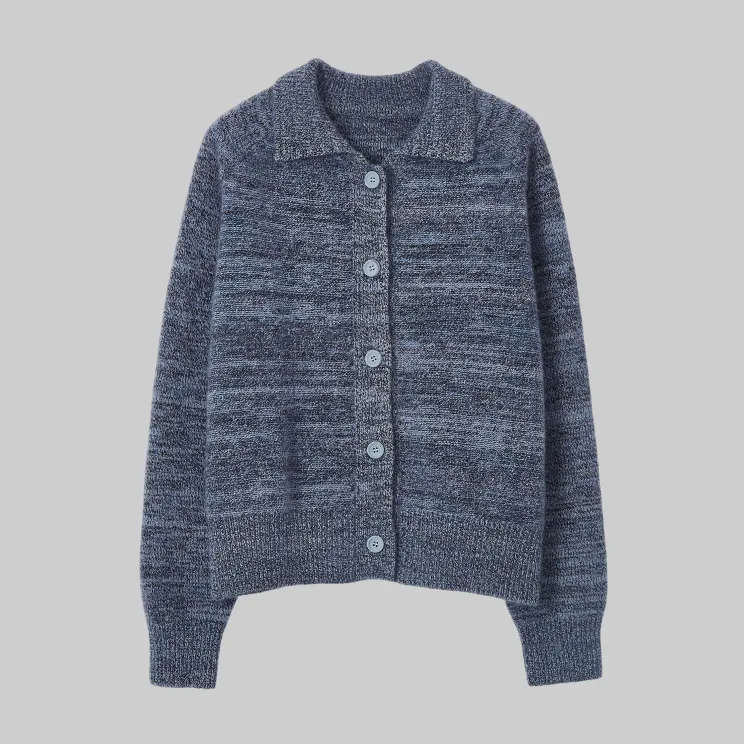
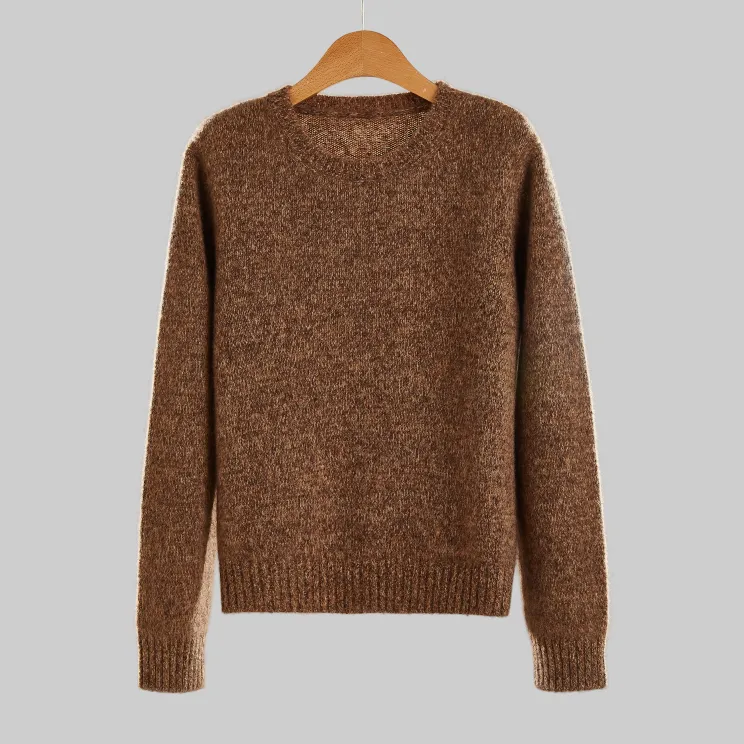
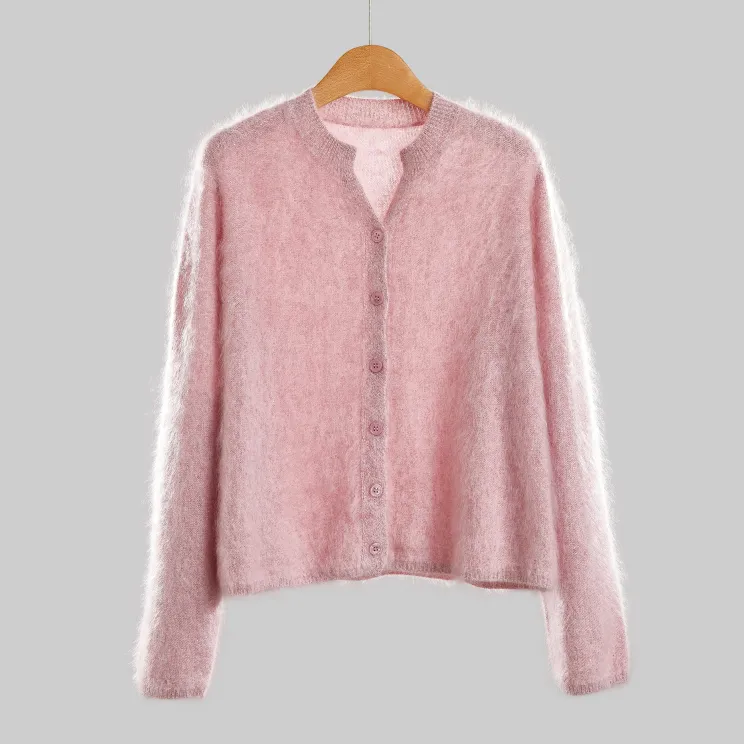
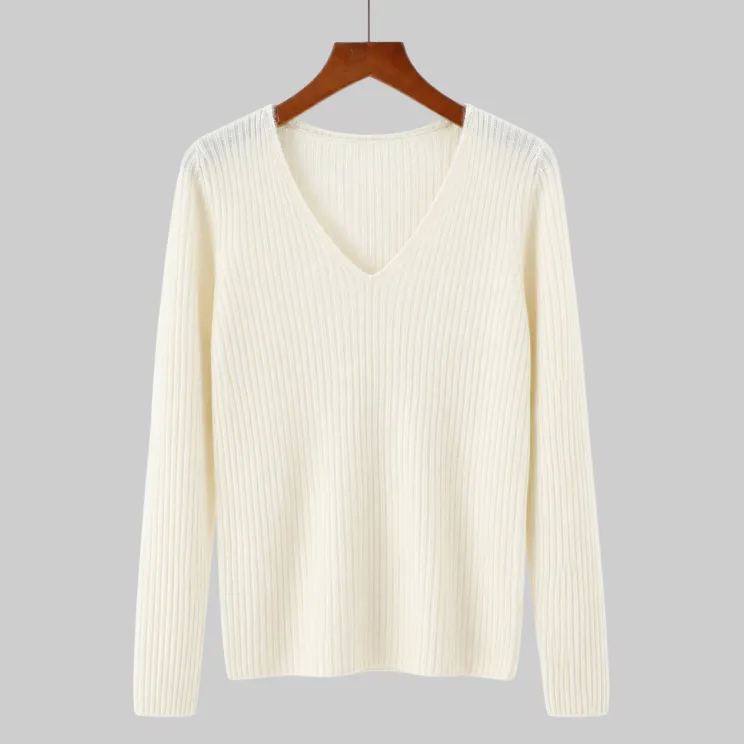
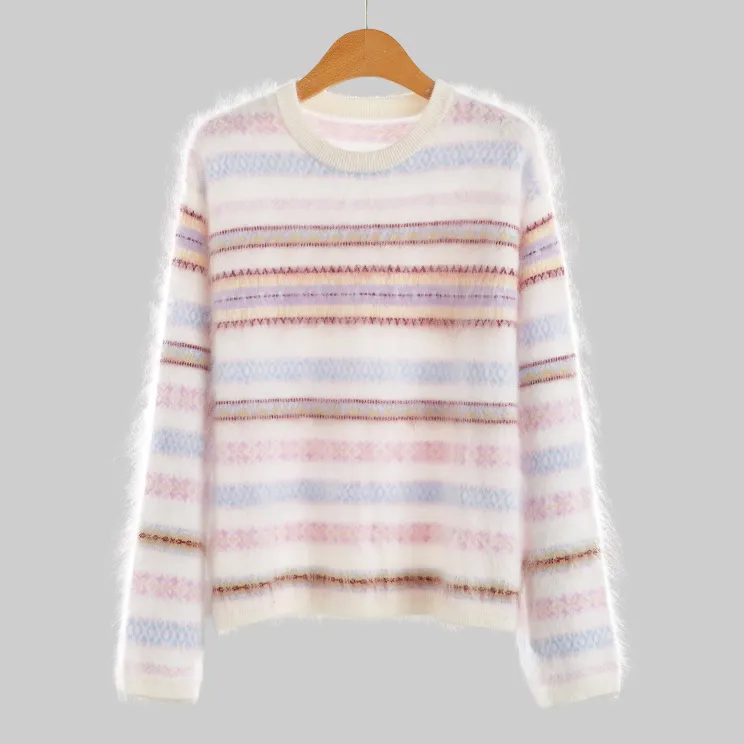
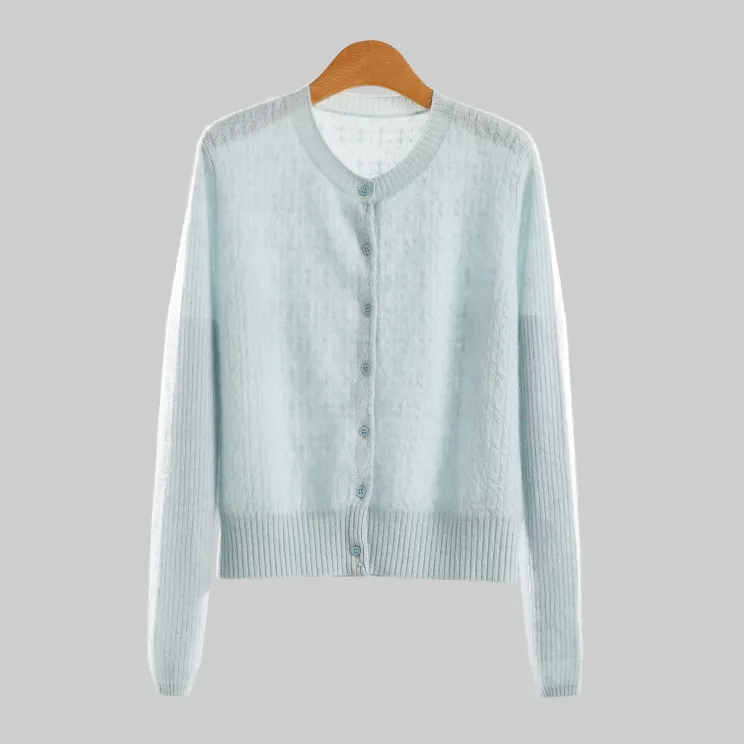
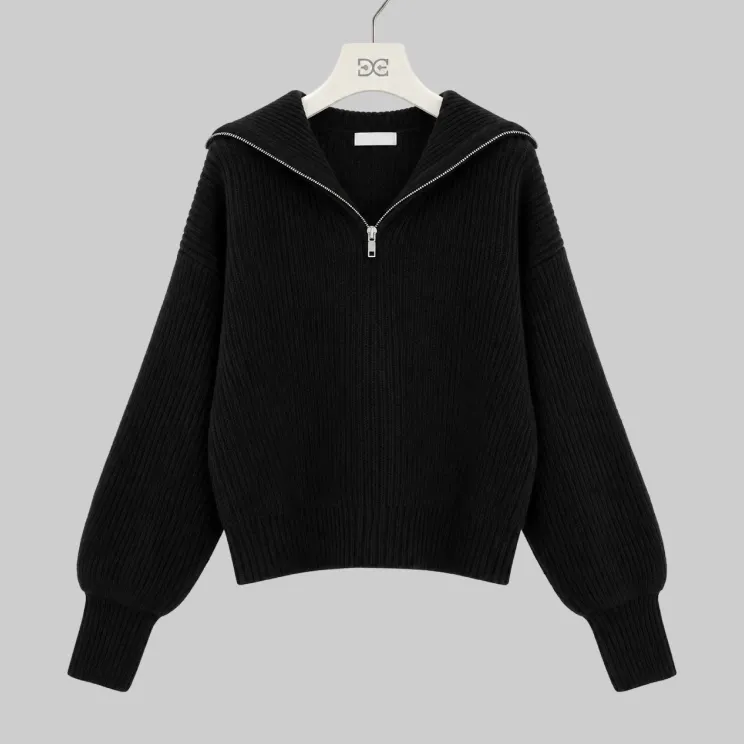
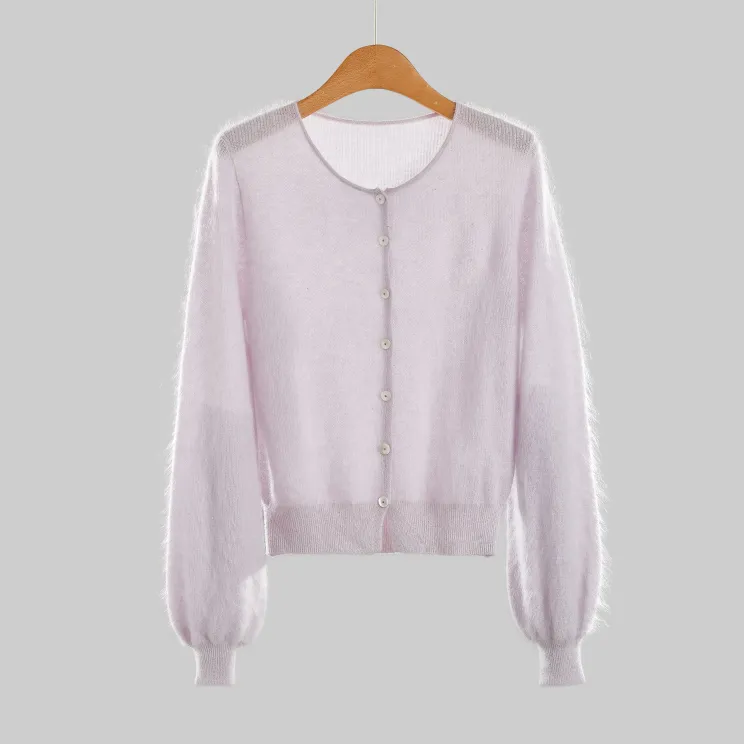
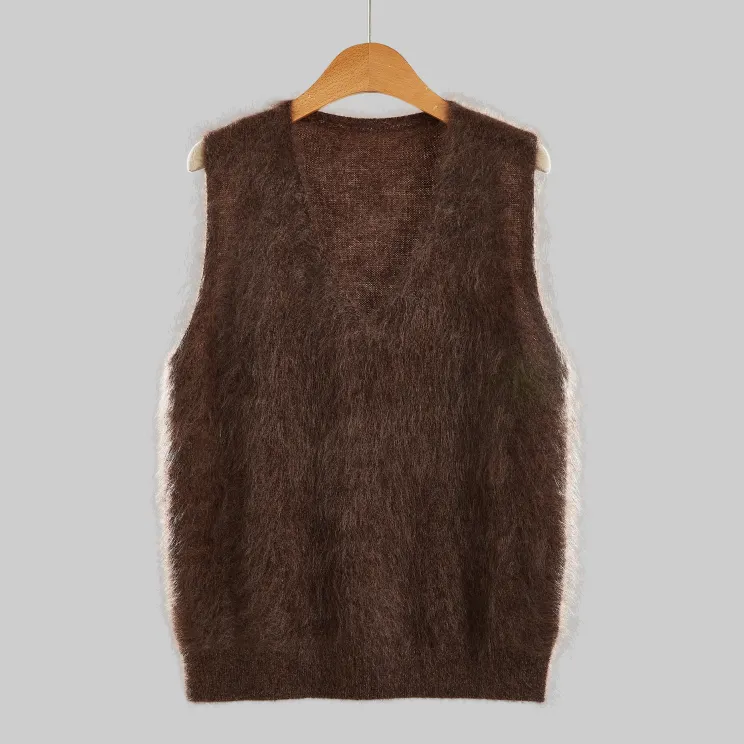
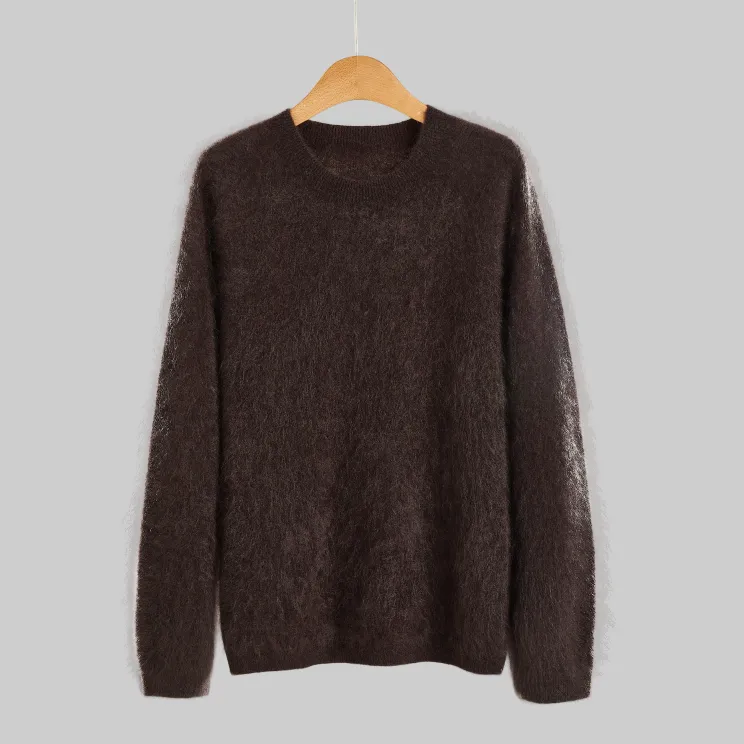
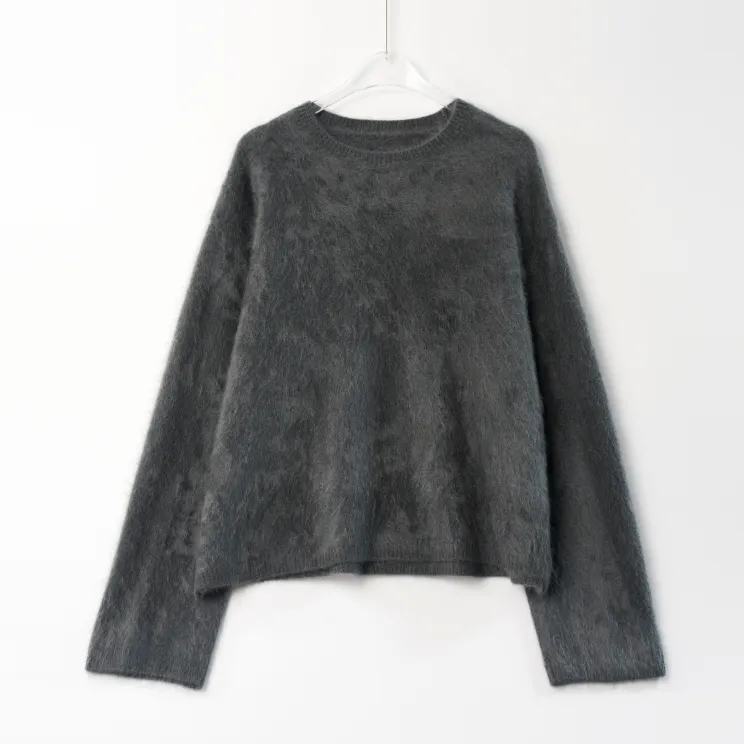
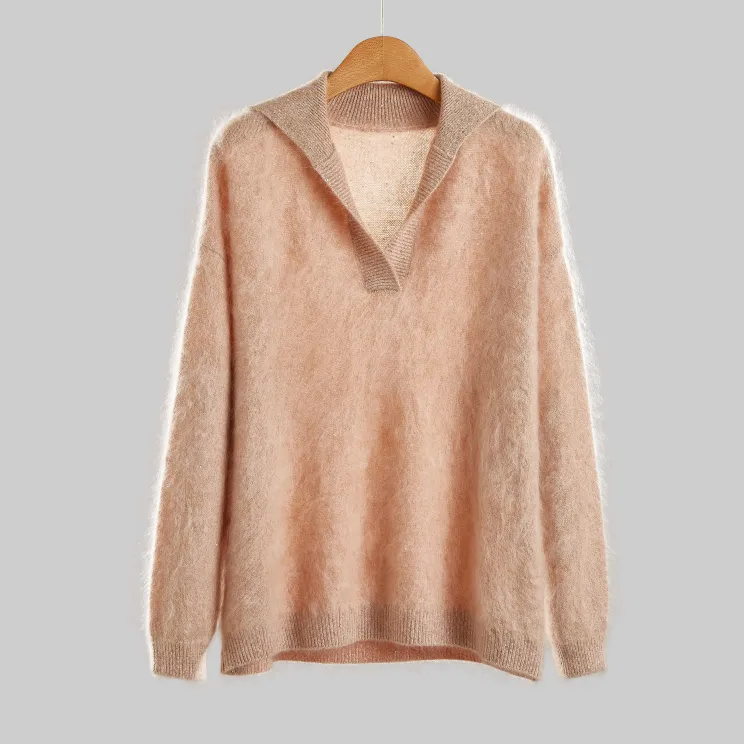
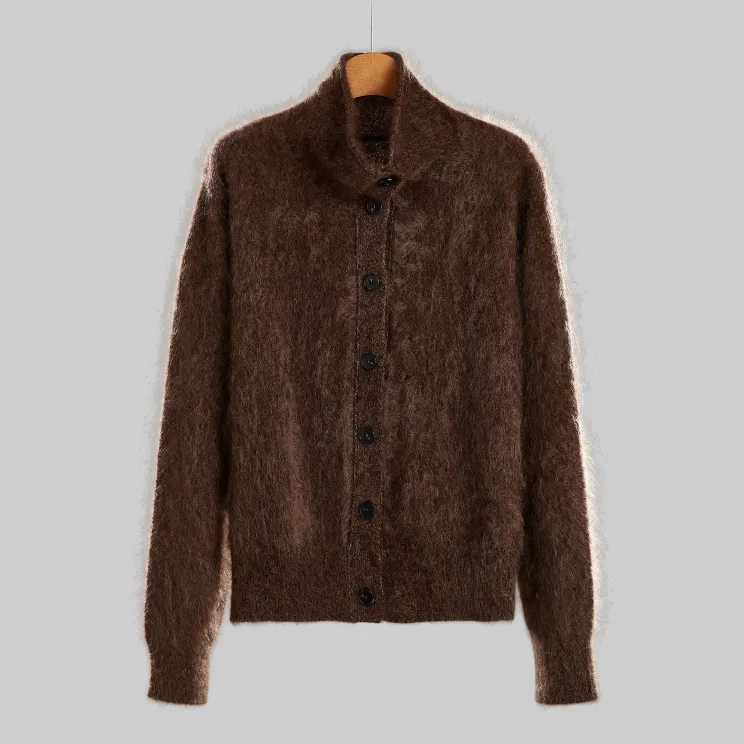
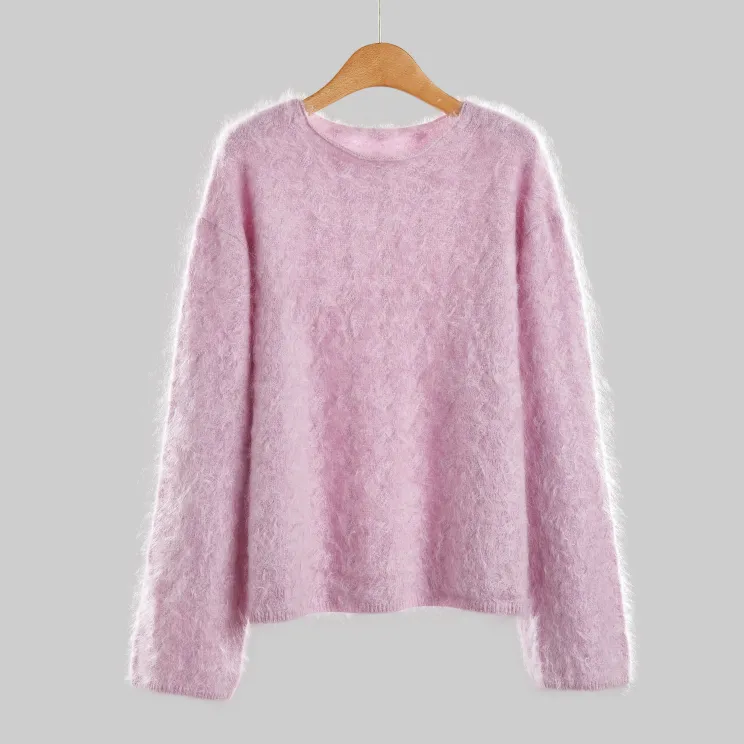
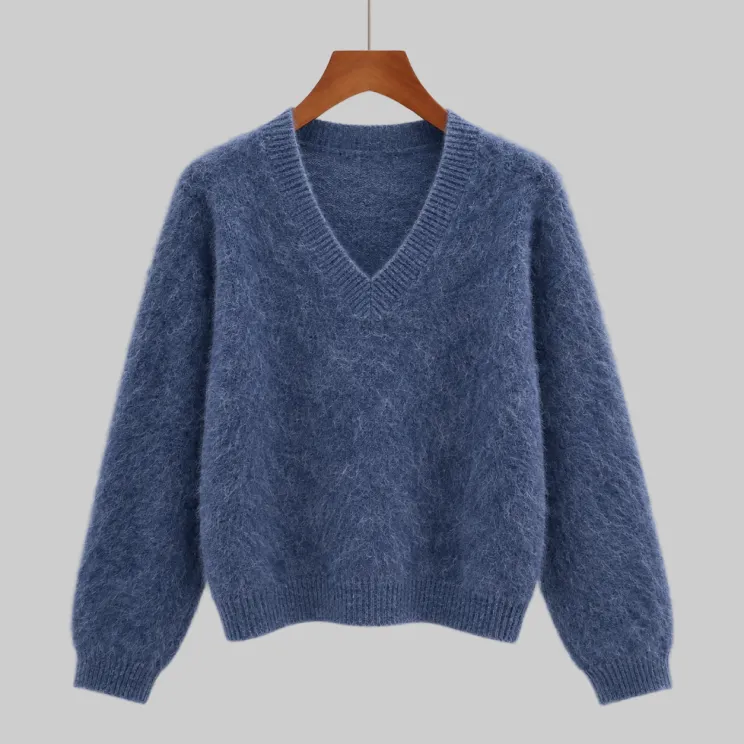
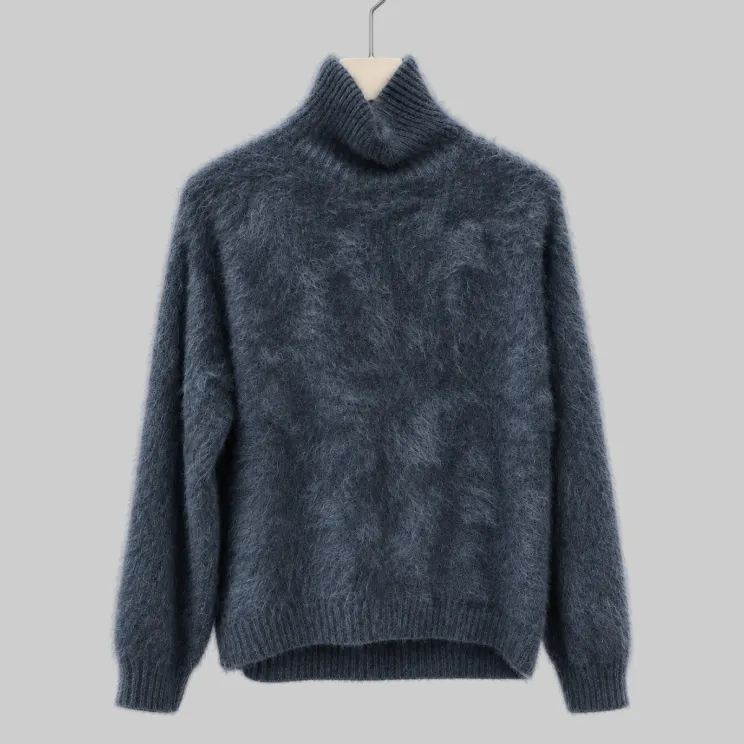
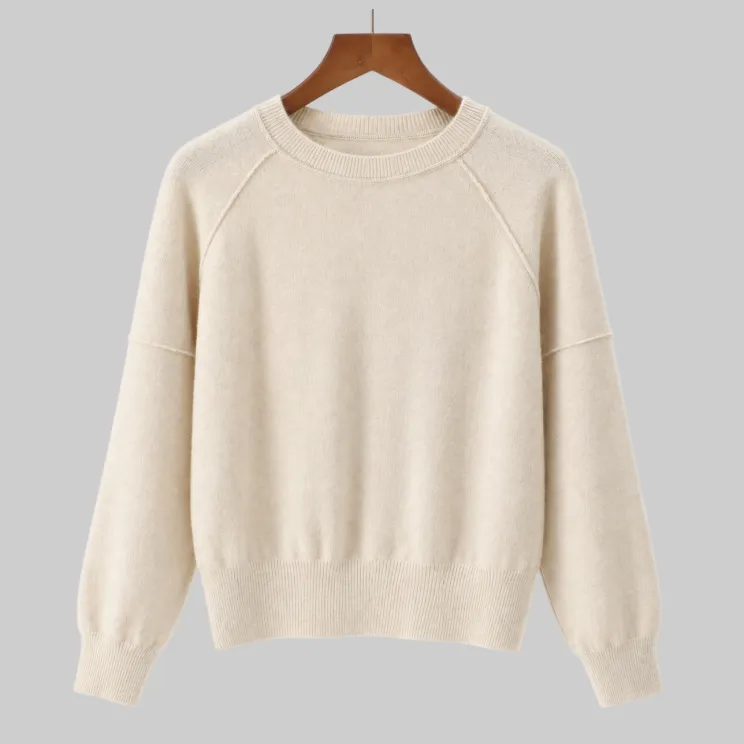
- Surging Demand for Fine-Gauge Trans-Seasonal Knits: Orders for lightweight pullovers produced on 12GG and 14GG automated flat-bed machines have risen significantly, as global retail partners expand their trans-seasonal offerings.
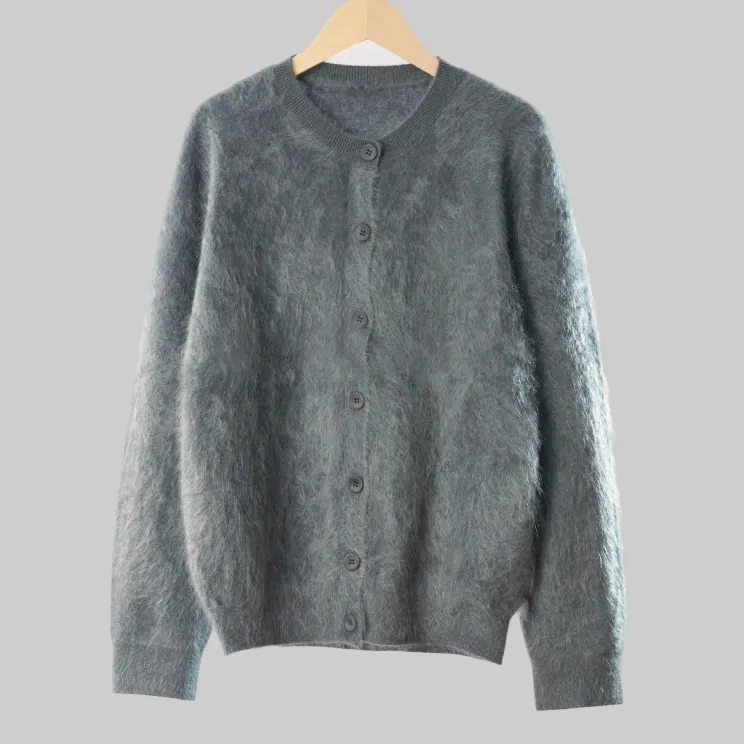
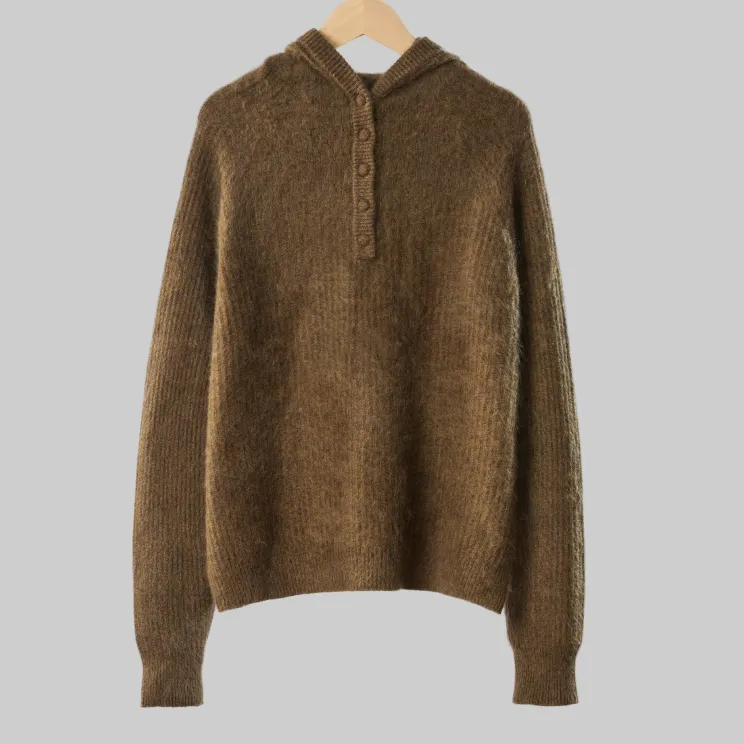
- Growth in Premium Blend Collections: Programs combining fine cashmere with natural fibers—such as silk cashmere blend and cashmere wool blend—are gaining market share as brands seek luxury hand-feel coupled with enhanced structural durability.
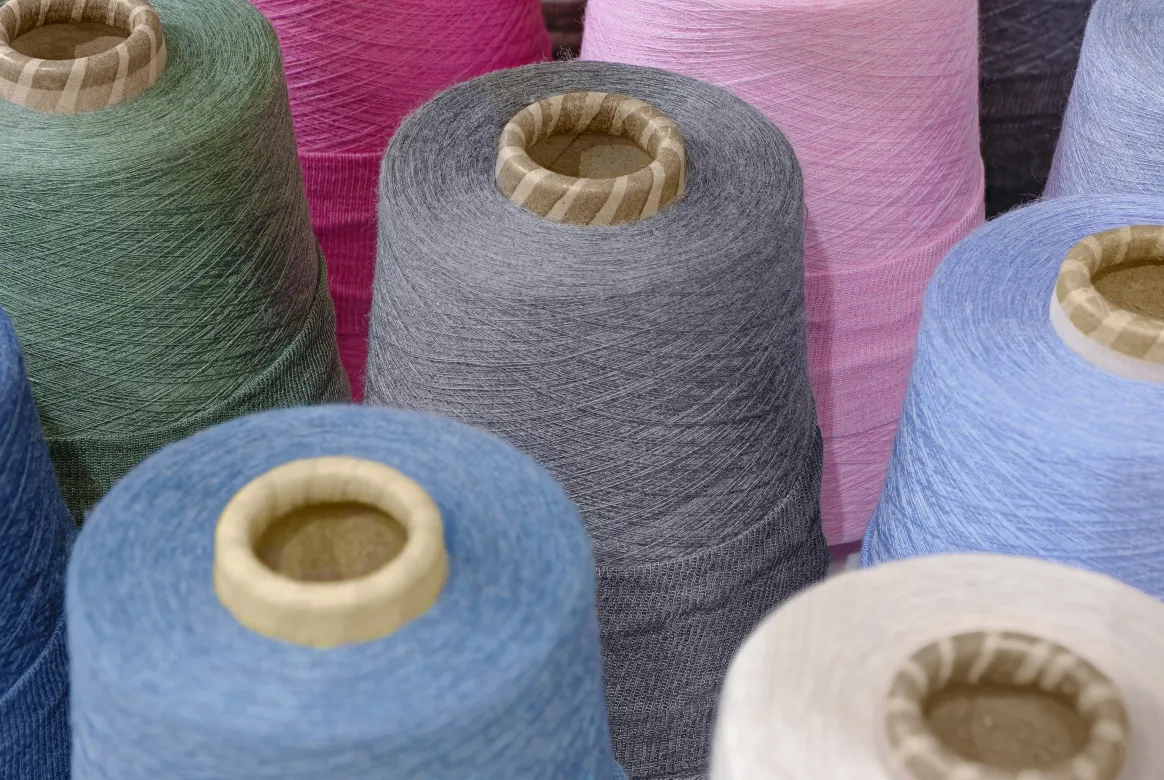
To support these varied constructions without compromising quality, manufacturers are tightening technical controls on yarn count, twist multiplier, and wet finishing time. Buyers developing custom cashmere programs are increasingly utilizing digital tech packs that detail every engineering parameter, minimizing sampling iterations and accelerating bulk delivery cycles.
4. Strategic Outlook for B2B Procurement Teams
As winter production schedules advance, procurement teams should review their upcoming inventory commitments against current market realities:
- Verify Traceability Documentation: Ensure all incoming bulk shipments comply with emerging EU and international transparency mandates.
- Secure Early Yarn Allocation: Lock in yarn counts and plies ahead of peak seasonal bottlenecks to protect delivery timelines.
- Audit Supplier Capabilities: Partner with manufacturers that combine raw fiber dehairing, in-house spinning, and rigorous laboratory testing (such as ICI pilling box verification) under one roof.
Whether you are expanding a commercial wholesale cashmere catalog or developing an exclusive private-label collection, our technical team provides end-to-end support. Contact us today to review your production specifications and secure your manufacturing capacity.
-

Dingchuang Textile Technical Team
Cashmere Sourcing & Knitwear Specialists, Dingchuang Cashmere
Authored by the technical specialists at Zhejiang Dingchuang Cashmere Co., Ltd. Founded in 2013 in Tongxiang, our team oversees integrated supply chain operations from raw goat cashmere collection and in-house mechanical dehairing to precision computerized knitting and specialty wet finishing, providing actionable manufacturing guidance for global apparel brands and designers.