
China Wool-Cashmere Exports Hit $10.06B and Mongolia Combed Fiber Climbs to $99,000/Ton: Mid-November 2026 Market Briefing
Nine-month trade statistics released in early and mid-November 2026 confirm a structural shift in the global cashmere and wool knitwear supply chain. China's wool-textile exports reached USD 10.06 billion between January and September 2026, up 9.1 percent year on year, while Tongxiang's Puyuan knitwear cluster recorded 82 percent export growth over the same period. Upstream, Mongolia's combed cashmere exports (HS 5105) rose 65.9 percent in value to USD 312.6 million, pushing average export unit values to approximately USD 99,000 per ton. For B2B knitwear buyers planning 2027 assortments, these figures signal three operational realities: sustained raw-material cost pressure, rapid expansion of four-season fine-gauge programs, and strict enforcement of green certification as a purchasing threshold in European and Japanese markets.
1. China's Wool and Cashmere Export Growth Reaches $10.06 Billion
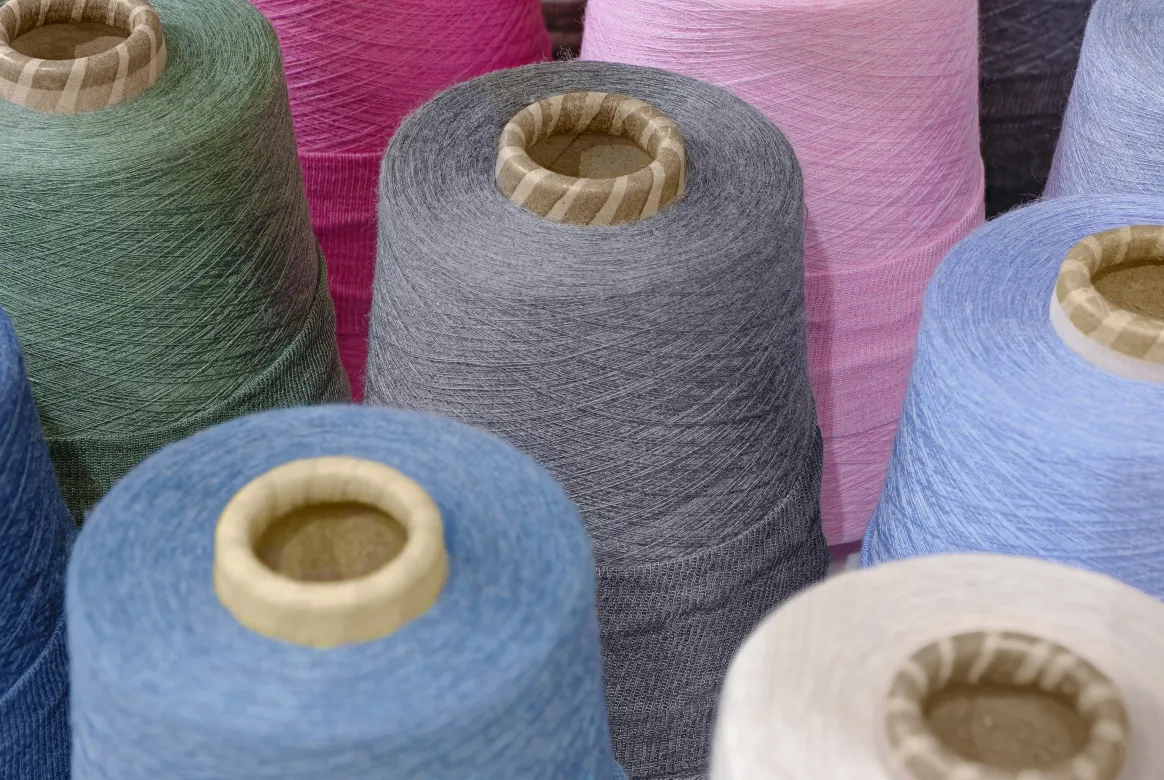
According to third-quarter industry reviews published in November 2026, China exported USD 10.06 billion in wool raw materials and finished products during the first nine months of the year, representing a 9.1 percent year-on-year increase. Growth was concentrated in three segments: certified green knitted sweaters, high-end specialty cashmere yarn, and functional worsted fabrics.
The data reflects a clear divergence between commodity volume and specification-driven export orders. Basic, uncertified knitwear continues to face margin compression, whereas mills supplying documented chain-of-custody materials are capturing expanding market share. Leading Chinese spinners now maintain active Global Recycled Standard (GRS), Global Organic Textile Standard (GOTS), and Good Cashmere Standard (GCS) certifications. In European and Japanese procurement offices, verifiable carbon-footprint data and raw-material traceability have transitioned from optional marketing claims into mandatory vendor qualification criteria.
2. Tongxiang's Puyuan Cluster Posts 82% Export Growth
Regional trade figures released in early November highlight the accelerating role of Zhejiang's knitwear manufacturing base. Tongxiang's Puyuan wool-sweater hub—whose annual trade volume has exceeded CNY 100 billion for seven consecutive years—recorded an 82 percent year-on-year surge in exports across the first three quarters of 2026.
Post-Canton Fair buyer traffic confirms this trajectory. Immediately following Phase 3 in early November, procurement teams from Italy, Germany, Russia, and Argentina traveled directly from Guangzhou to Tongxiang factories to audit production lines and finalize 2027 orders. Leading local cashmere and wool manufacturers reported 74.53 percent growth in high-end cashmere, wool, and silk categories.
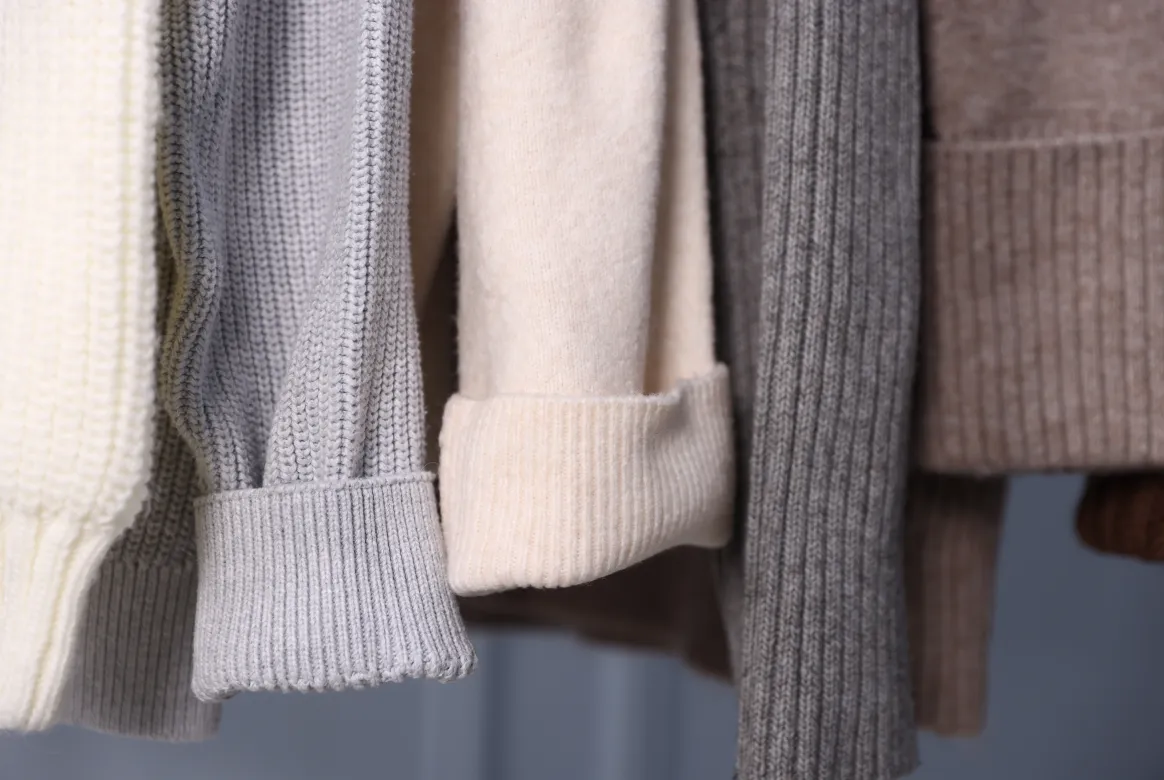
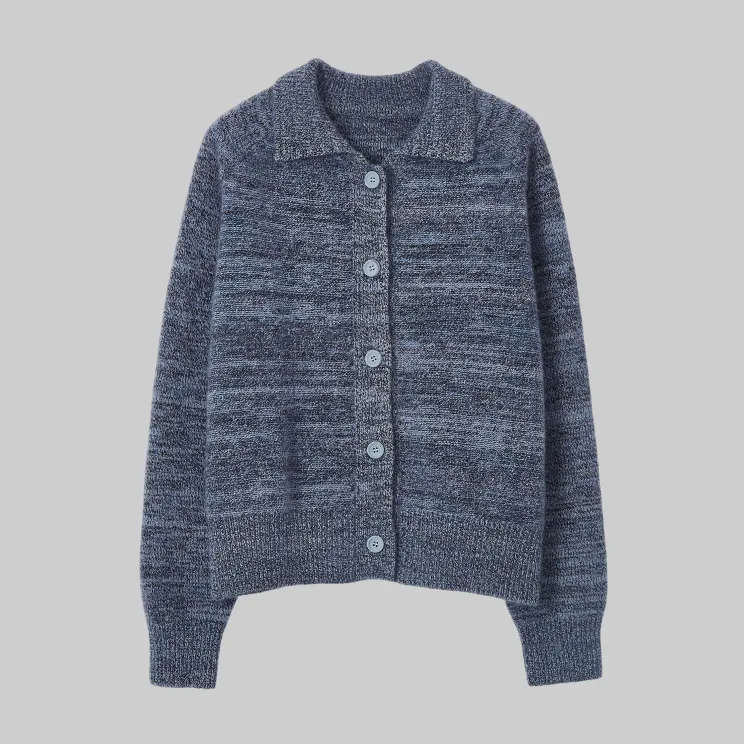
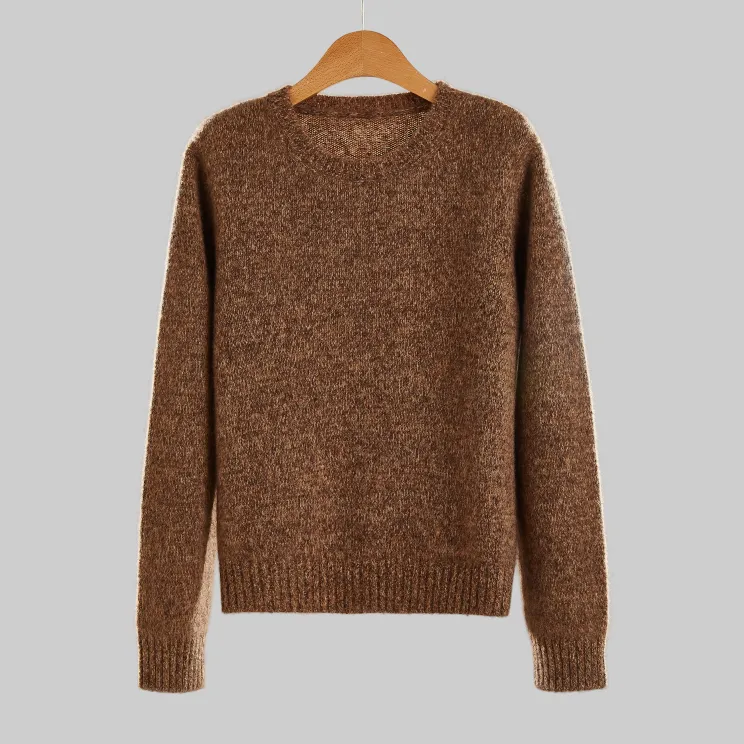
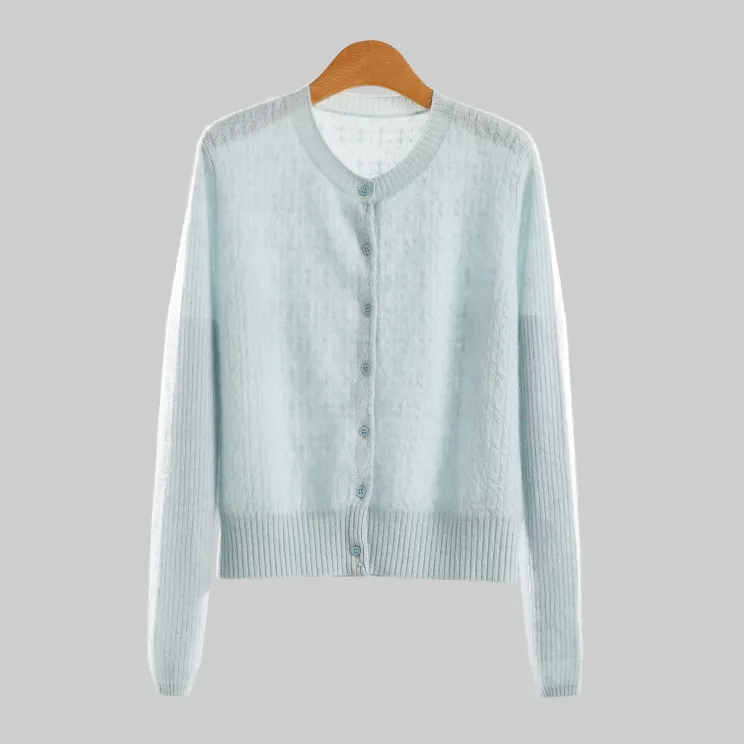
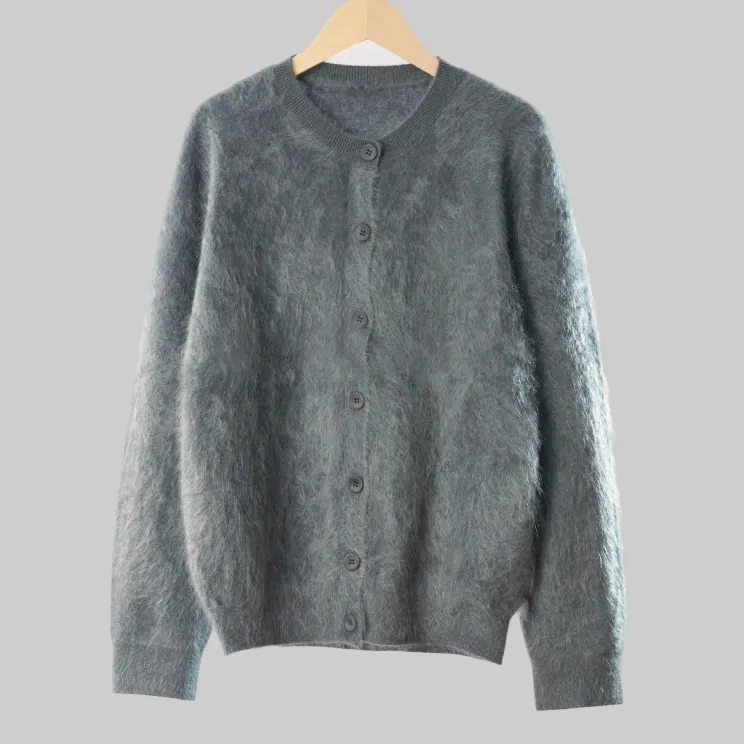
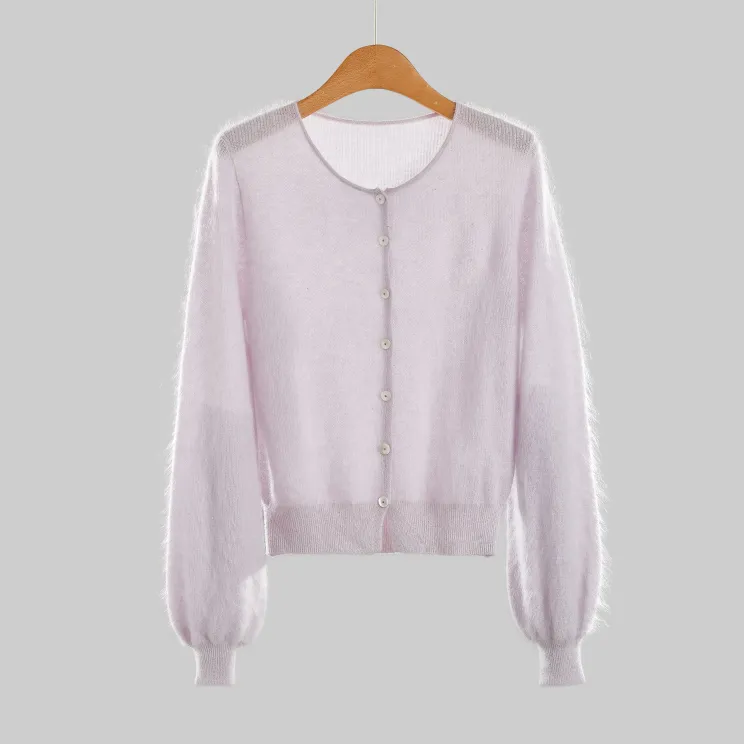
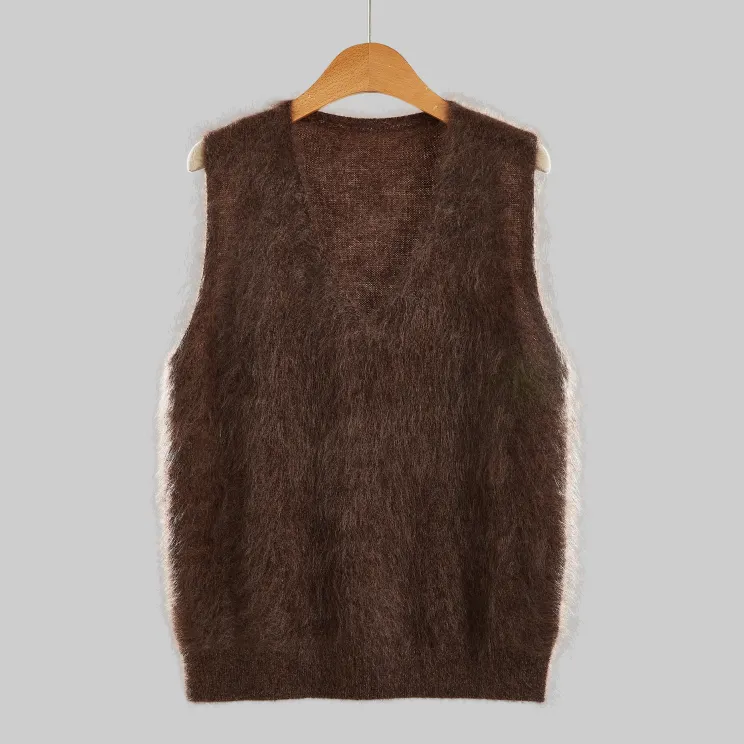
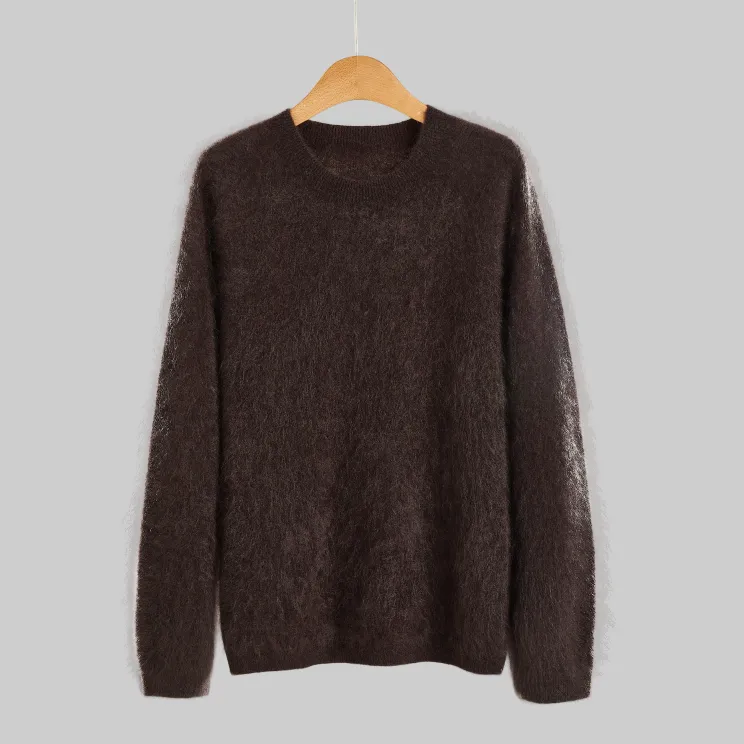
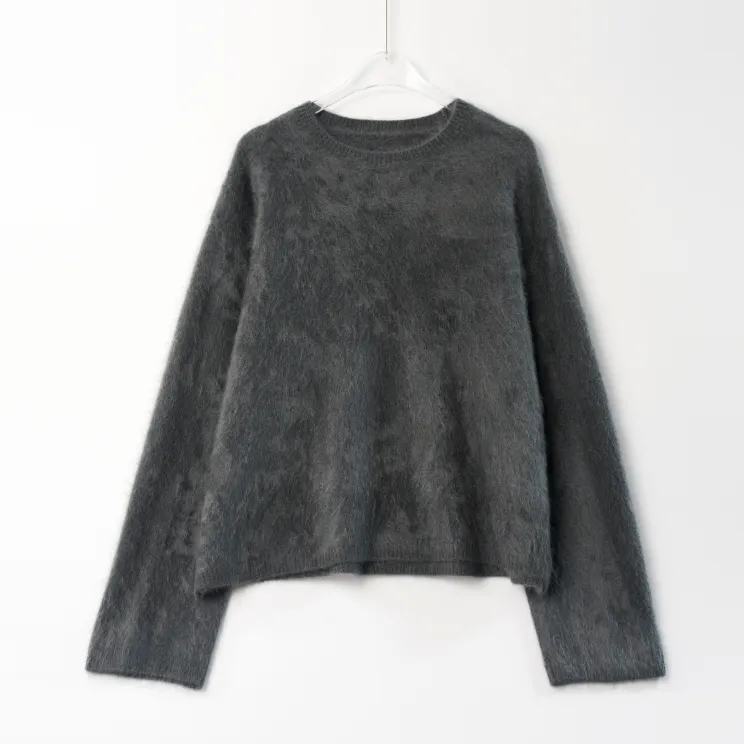
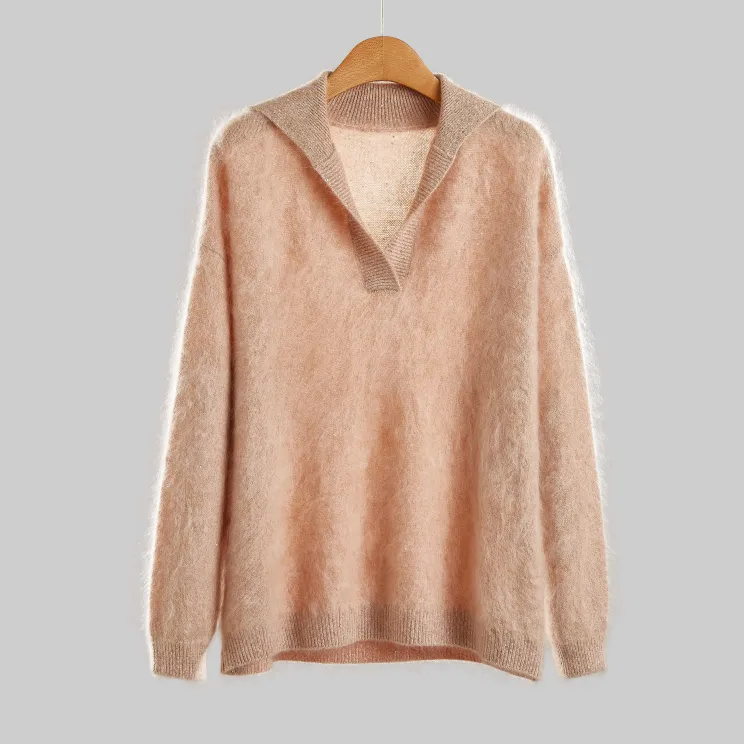
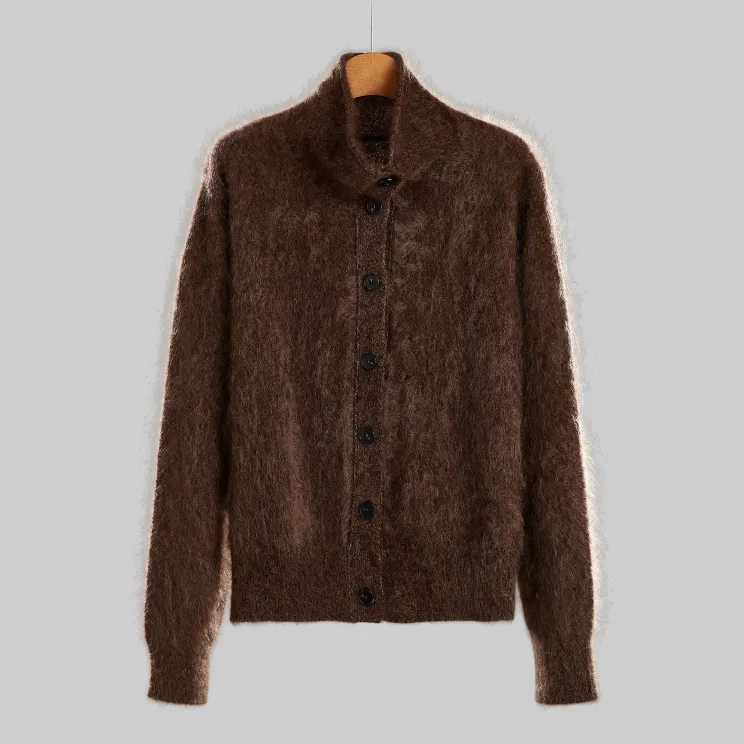
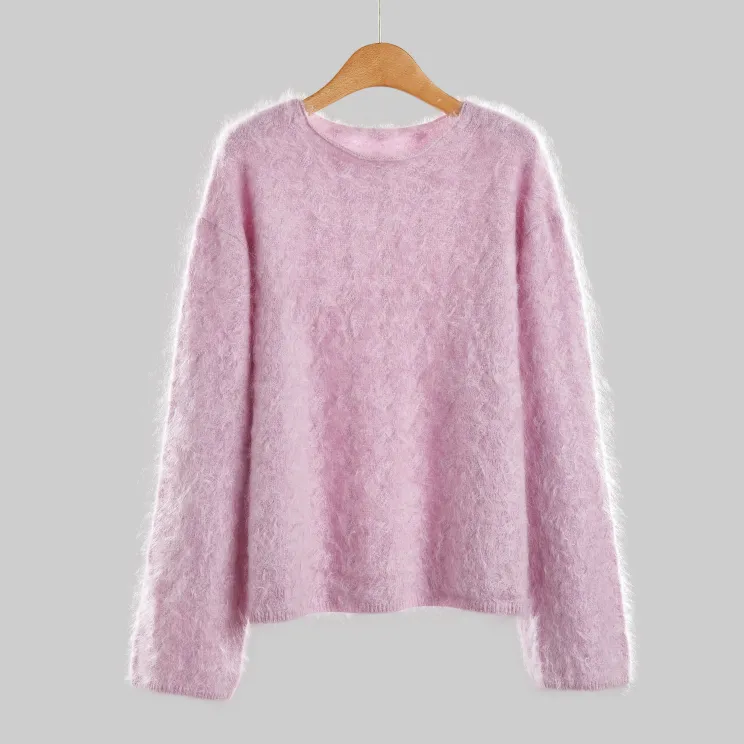
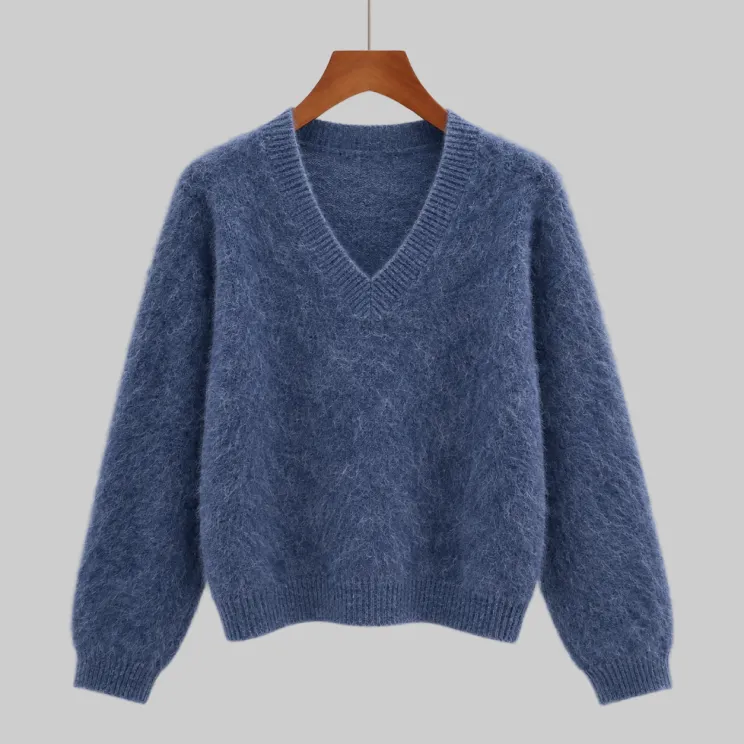
Product mix data from these factory audits points to a major structural change in buyer demand: knitwear has shifted from a single-season winter category to a four-season offering. Overseas brands are prioritizing commuter-friendly, lightweight cashmere knitwear knitted on 12GG to 18GG fine-gauge machines, alongside trans-seasonal silk-cashmere blend programs. Buyers are placing orders for everyday layering silhouettes that require tighter knitting tolerances and cleaner surface finishes than traditional heavy winter sweaters.
3. Mongolia's Combed Cashmere Unit Value Rises to $99,000 Per Ton
Upstream supply data compiled from Mongolia's National Statistics Office for January through September 2026 explains why yarn pricing remains firm entering the winter production cycle. Mongolia exported 3,158 tons of combed cashmere (HS Code 5105) valued at USD 312.6 million during the first nine months of 2026, compared with USD 188.4 million in the same period of 2025.
| Metric (Mongolia HS 5105) | Jan–Sep 2025 | Jan–Sep 2026 | Year-on-Year Change |
|---|---|---|---|
| Total Export Value | USD 188.4 million | USD 312.6 million | +65.9% |
| Export Volume | ~2,305 tons | 3,158 tons | +37.0% |
| Average Unit Value | ~USD 81,700 / ton | ~USD 99,000 / ton | +21.2% |
Export value outpaced volume growth by nearly 29 percentage points, lifting the average recorded export value from approximately USD 81,700 per ton in 2025 to USD 99,000 per ton in 2026. China remains the primary processing destination, accounting for 82.7 percent of Mongolian combed cashmere shipments, followed by Italy at 13.3 percent and the United Kingdom at 2.5 percent.
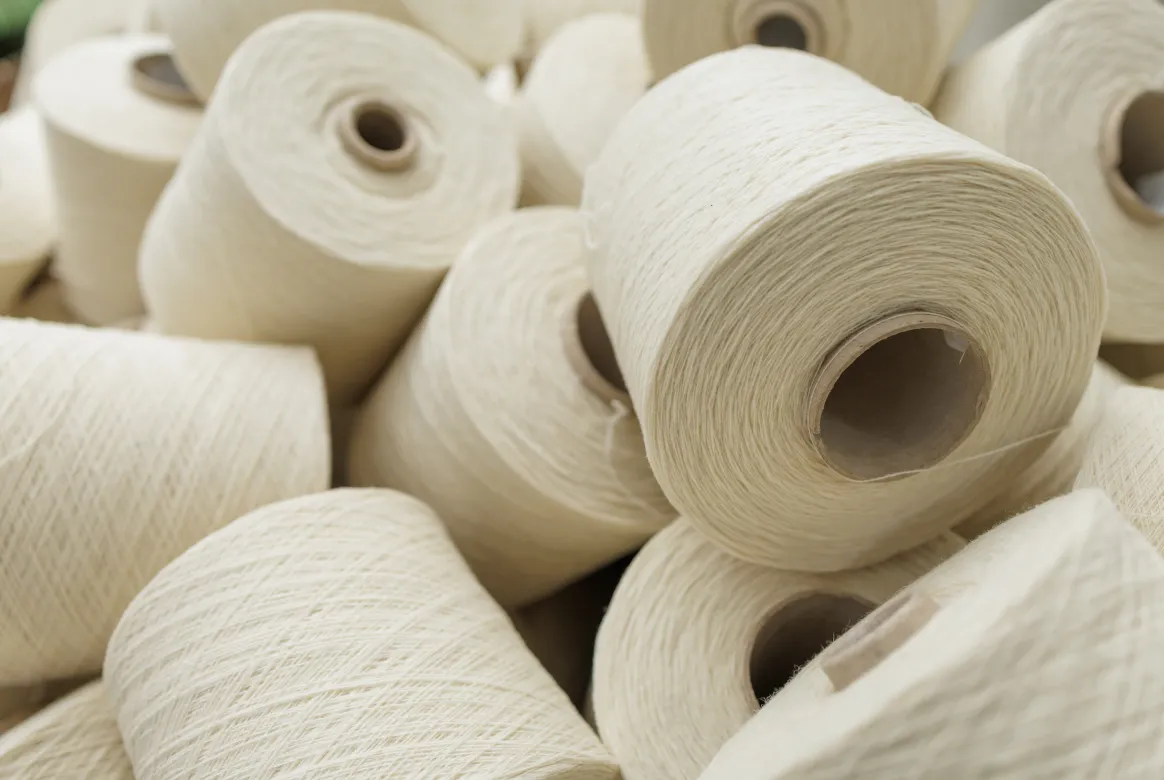
For international brands sourcing 100 percent cashmere garments, a 21.2 percent rise in upstream combed fiber unit values confirms that lower-tier pricing is structurally unsustainable without compromising micron count or staple length. Procurement teams should audit raw-material specifications against our Grade A cashmere sourcing guide to ensure supplier quotations reflect genuine long-staple fiber rather than blended short-staple substitutes.
4. Green Certification and Traceability as Hard Procurement Gates
Across both Chinese export statistics and European regulatory updates published in November 2026, sustainability compliance has become the primary differentiator in B2B vendor selection. Under the European Union's Ecodesign for Sustainable Products Regulation (ESPR), delegated acts for textiles are scheduled for late 2027, accompanied by mandatory Digital Product Passports and restrictions on the destruction of unsold apparel.
Because knitwear development cycles run 12 to 18 months ahead of retail launch, Autumn/Winter 2027 and Spring 2028 programs currently entering sampling will be subject to these compliance frameworks upon arrival in Europe. Buyers are therefore requiring documented chain-of-custody records at the yarn-booking stage, including:
- Origin Verification: Batch-level documentation linking dehaired fiber to specific Inner Mongolian or Mongolian pastoral regions.
- Third-Party Standards: Valid GRS transaction certificates for recycled cashmere blends and GCS or OEKO-TEX Standard 100 certifications for virgin fiber lots.
- Chemical and Wet-Finishing Logs: Compliance records verifying that scouring, dyeing, and milling processes meet restricted substance limits.
5. Operational Action Items for B2B Buyers in Late November
With nine-month trade data confirming elevated fiber costs and tightening factory capacity in Zhejiang, procurement directors should execute four steps before closing 2026 budgets:
- Benchmark FOB Quotations Against Combed Fiber Realities: Factor the USD 99,000/ton combed cashmere benchmark into 2027 landed-cost models. Unusually low quotes warrant immediate laboratory micron and staple-length testing.
- Reserve Fine-Gauge Machine Capacity Early: The surge in four-season 12GG to 18GG orders has tightened automated flat-bed availability in Tongxiang. Lock gauge and stitch specifications in writing for Spring and Autumn 2027 deliveries.
- Standardize Traceability Documentation: Request GRS, GCS, or lot-level origin certificates during sample development rather than waiting until pre-shipment inspection.
- Evaluate Integrated Regional Suppliers: Working directly with mills located inside the Tongxiang knitwear cluster reduces intermediary markups and shortens sampling turnaround times for both wholesale cashmere programs and private-label collections.
6. Navigating 2027 Sourcing with Dingchuang
Rising combed fiber prices and stricter compliance mandates reward supply chains built on direct raw-material access and transparent production control. Zhejiang Dingchuang Cashmere operates from the Tongxiang knitwear cluster, integrating Inner Mongolian fiber collection, in-house dehairing, yarn coordination, and automated flat-bed manufacturing under documented batch records. Whether you are expanding a four-season fine-gauge assortment or launching a certified private-label line through our custom development service, our technical team provides transparent yarn costing and full traceability documentation. Contact us to review your 2027 program specifications.
Sources
- Sweater Factory Daily Brief (Nov 11, 2026): China Q1–Q3 Wool-Textile Exports ($10.06B) and Puyuan Cluster 82% Export Growth
- Tradeimex: Mongolian Cashmere Export Data 2026 (HS Code 5105 Nine-Month Performance)
- Tappr (Nov 12, 2026): EU Ecodesign for Sustainable Products Regulation (ESPR) Textile Timeline
-

Dingchuang Textile Technical Team
Cashmere Sourcing & Knitwear Specialists, Dingchuang Cashmere
Authored by the technical specialists at Zhejiang Dingchuang Cashmere Co., Ltd. Founded in 2013 in Tongxiang, our team oversees integrated supply chain operations from raw goat cashmere collection and in-house mechanical dehairing to precision computerized knitting and specialty wet finishing, providing actionable manufacturing guidance for global apparel brands and designers.